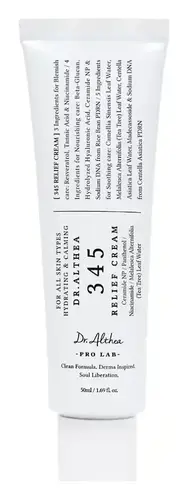
I Dew Care Chill Kitten Versus Authentic Ego Super Sensa Barrier Repair Moisturizer With Pre & Postbiotics
This oil-control moisturizer is formulated around Silica and Niacinamide to balance excess oil and calm redness.
This barrier-repair moisturizer is formulated around Squalane and Niacinamide to strengthen the skin barrier and calm redness.

What's inside
What's inside
 Key Ingredients
Benefits
Concerns
No concerns
Ingredients Side-by-side
Water
Skin ConditioningButylene Glycol
Humectant

Dipropylene Glycol
HumectantSilica
Abrasive


Niacinamide
Smoothing








1,2-Hexanediol
Skin Conditioning
Glycerin
Humectant
Pentylene Glycol
Skin Conditioning
Trehalose
Humectant
Opuntia Ficus-Indica Stem Extract
Skin Conditioning
Houttuynia Cordata Extract
Skin Conditioning
Aloe Barbadensis Leaf Polysaccharides
Emollient
Aloe Barbadensis Flower Extract
EmollientMoringa Oleifera Seed Extract
Skin Conditioning
Camellia Sinensis Leaf Extract
Antimicrobial
Mentha Rotundifolia Leaf Extract
TonicThymus Vulgaris Leaf Extract
Skin ProtectingAnastatica Hierochuntica Extract
AstringentMyrothamnus Flabellifolia Leaf/Stem Extract
HumectantMelia Azadirachta Leaf Extract
Skin ConditioningMelia Azadirachta Flower Extract
Skin ConditioningCoccinia Indica Fruit Extract
Skin Conditioning
Solanum Melongena Fruit Extract
Skin ConditioningOcimum Sanctum Leaf Extract
Skin ConditioningCorallina Officinalis Extract
Skin Conditioning

Curcuma Longa Root Extract
Antioxidant
Lactobacillus Ferment
Skin Conditioning
Ascorbic Acid
Antioxidant
Citric Acid
Buffering

Hydroxyethyl Acrylate/Sodium Acryloyldimethyl Taurate Copolymer
Emulsion StabilisingCarbomer
Emulsion StabilisingTromethamine
BufferingXanthan Gum
EmulsifyingEthylhexylglycerin
Skin ConditioningAdenosine
Skin Conditioning
Sodium Phytate
Dipotassium Glycyrrhizate
Humectant
Disodium Phosphate
BufferingPropanediol
Solvent
Maltodextrin
Absorbent
Tocopherol
Antioxidant
Water, Butylene Glycol, Dipropylene Glycol, Silica, Niacinamide, 1,2-Hexanediol, Glycerin, Pentylene Glycol, Trehalose, Opuntia Ficus-Indica Stem Extract, Houttuynia Cordata Extract, Aloe Barbadensis Leaf Polysaccharides, Aloe Barbadensis Flower Extract, Moringa Oleifera Seed Extract, Camellia Sinensis Leaf Extract, Mentha Rotundifolia Leaf Extract, Thymus Vulgaris Leaf Extract, Anastatica Hierochuntica Extract, Myrothamnus Flabellifolia Leaf/Stem Extract, Melia Azadirachta Leaf Extract, Melia Azadirachta Flower Extract, Coccinia Indica Fruit Extract, Solanum Melongena Fruit Extract, Ocimum Sanctum Leaf Extract, Corallina Officinalis Extract, Curcuma Longa Root Extract, Lactobacillus Ferment, Ascorbic Acid, Citric Acid, Hydroxyethyl Acrylate/Sodium Acryloyldimethyl Taurate Copolymer, Carbomer, Tromethamine, Xanthan Gum, Ethylhexylglycerin, Adenosine, Sodium Phytate, Dipotassium Glycyrrhizate, Disodium Phosphate, Propanediol, Maltodextrin, Tocopherol
Water
Skin ConditioningSqualane
Emollient
Propanediol
Solvent
Glyceryl Glucoside
Humectant
Niacinamide
Smoothing
Betaine
Humectant
Ammonium Polyacryloyldimethyl Taurate
Emulsion StabilisingMaltodextrin
Absorbent
Inulin
Skin Conditioning
Swertia Chirata Extract
HumectantArtemisia Annua Extract
Masking
Benzylsulfonyl D-Seryl Homophenylalanine Amidinobenzamide Acetate
Skin ConditioningTrehalose
Humectant
Lactobacillus Ferment
Skin Conditioning
Tremella Fuciformis Sporocarp Extract
Antioxidant
Acetyl Heptapeptide-4
Humectant
Alpha-Glucan Oligosaccharide
Cleansing
Xylitylglucoside
Humectant
Anhydroxylitol
Humectant
Xylitol
Humectant
Bifida Ferment Lysate
Skin Conditioning
Polyglutamic Acid
Skin Conditioning
Panthenol
Skin Conditioning
Caprylhydroxamic Acid
1,2-Hexanediol
Skin Conditioning
Caprylyl Glycol
Emollient
Tocopheryl Acetate
Antioxidant
Water, Squalane, Propanediol, Glyceryl Glucoside, Niacinamide, Betaine, Ammonium Polyacryloyldimethyl Taurate, Maltodextrin, Inulin, Swertia Chirata Extract, Artemisia Annua Extract, Benzylsulfonyl D-Seryl Homophenylalanine Amidinobenzamide Acetate, Trehalose, Lactobacillus Ferment, Tremella Fuciformis Sporocarp Extract, Acetyl Heptapeptide-4, Alpha-Glucan Oligosaccharide, Xylitylglucoside, Anhydroxylitol, Xylitol, Bifida Ferment Lysate, Polyglutamic Acid, Panthenol, Caprylhydroxamic Acid, 1,2-Hexanediol, Caprylyl Glycol, Tocopheryl Acetate
Reviews
Ingredients Explained
These ingredients are found in both products.
Ingredients higher up in an ingredient list are typically present in a larger amount.
1,2-Hexanediol is a synthetic liquid and another multi-functional powerhouse.
It is a:
- Humectant, drawing moisture into the skin
- Emollient, helping to soften skin
- Solvent, dispersing and stabilizing formulas
- Preservative booster, enhancing the antimicrobial activity of other preservatives
This ingredient is made when the Lactobacillus bacteria (the same kind that makes yogurt and kimchi) are allowed to ferment a nutrient medium.
As it ferments, it collects lactic acid, peptides, enzymes, and other bioactive metabolites to provide:
A 2023 review noted that probiotic fermentation ingredients like this one can enhance antioxidant capacity, reduce UV-induced oxidative damage, and support barrier function.
One clinical study from the same year showed a Lactobacillus ferment lysate significantly reduced transepidermal water loss and improved skin hydration.
Another review highlighted that topical Lactobacillus-based preparations can improve ceramide levels in the stratum corneum, support barrier integrity, and even help reduce S. aureus colonization in atopic dermatitis.
Why is this so cool?
Basically, your skin's outer layer works as a brick wall; skin cells are bricks and ceramides are the mortar holding it together. Moisture escapes, irritants get in, and your skin gets dry and reactive when ceramide levels drop. On top of that, "bad" skin bacteria S. aureus loves to move in when your barrier is weak to make inflammation and irritation worse.
So Lactobacillus ferment is basically patching the wall and evicting the troublemaker when it boosts ceramide production and help keep S. aureus in check.
On top of all this, it also acts as a mild antimicrobial preservative booster.
Just so you know, most studies focus on specific strains or the lysate form rather than this generic "Lactobacillus Ferment", so results can vary.
Though it's a promising ingredient, it doesn't have decades of robust clinical data behind it just yet.
Lactobacillus Ferment is generally considered safe for fungal-acne prone skin. The key thing to understand is that it comes from bacteria, not yeast or fungus.
Yeast-derived ferments (like galactomyces) have been shown to activate a protein that's linked to Malassezia-related skin issues whereas lactobacillus doesn't have that problem.
Its byproducts also don't contain the types of fatty acids (C11-24 chain lengths) that Malassezia feeds on.
Learn more about Lactobacillus FermentMaltodextrin is a plant-derived carbohydrate made by breaking down starch (usually from corn, potato, or rice). In cosmetic formulas, it's a multitasking absorbent, emulsion stabilizer, and skin conditioner.
This ingredient is mostly used to stabilize emulsions and improve the powdery, non-greasy feel of products (like dry shampoos).
Safety-wise, this ingredient is pretty solid; it's even recognized as a food additive. Both animal and clinical studies found no adverse effects at the levels used in cosmetics.
Industry data shows this ingredient is used up to 45.7% in spray products and up to 33% in powder products.
Learn more about MaltodextrinNiacinamide is a multitasking form of vitamin B3 that strengthens the skin barrier, reduces pores and dark spots, regulates oil, and improves signs of aging.
And the best part? It's gentle and well-tolerated by most skin types, including sensitive and reactive skin.
You might have heard of "niacin flush", or the reddening of skin that causes itchiness. Niacinamide has not been found to cause this.
In very rare cases, some individuals may not be able to tolerate niacinamide at all or experience an allergic reaction to it.
If you are experiencing flaking, irritation, and dryness with this ingredient, be sure to double check all your products as this ingredient can be found in all categories of skincare.
When incorporating niacinamide into your routine, look out for concentration amounts. Typically, 5% niacinamide provides benefits such as fading dark spots. However, if you have sensitive skin, it is better to begin with a smaller concentration.
When you apply niacinamide to your skin, your body converts it into nicotinamide adenine dinucleotide (NAD). NAD is an essential coenzyme that is already found in your cells as "fuel" and powers countless biological processes.
In your skin, NAD helps repair cell damage, produce new healthy cells, support collagen production, strengthen the skin barrier, and fight environmental stressors (like UV and pollution).
Our natural NAD levels start to decline with age, leading to slower skin repair, visible aging, and a weaker skin barrier. By providing your skin niacinamide, you're recharging your skin's NAD levels. This leads to stronger, healthier, and younger looking skin.
Another name for vitamin B3 is nicotinamide. This vitamin is water-soluble and our bodies don't store it. We obtain Vitamin B3 from either food or skincare. Meat, fish, wheat, yeast, and leafy greens contain vitamin B3.
The type of niacinamide used in skincare is synthetically created.
Learn more about NiacinamidePropanediol is an all-star ingredient. It softens, hydrates, and smooths the skin.
It’s often used to:
Propanediol is not likely to cause sensitivity and considered safe to use. It is derived from corn or petroleum with a clear color and no scent.
Learn more about PropanediolTrehalose is a disaccharide made of two glucose molecules (glucose is sugar!). Trehalose is used to help moisturize skin. It also has antioxidant properties.
As a humectant, trehalose helps draw moisture from the air to your skin. This helps keep your skin hydrated.
Due to its antioxidant properties, trehalose may help with signs of aging. Antioxidants help fight free-radical molecules, unstable molecules that may damage your skin.
In medicine, trehalose and hyaluronic acid are used to help treat dry eyes.
Some animals, plants, and bacteria create trehalose as a source of energy to survive freeze or lack of water.
Learn more about TrehaloseWater. It's the most common cosmetic ingredient of all. You'll usually see it at the top of ingredient lists, meaning that it makes up the largest part of the product.
So why is it so popular? Water most often acts as a solvent - this means that it helps dissolve other ingredients into the formulation.
You'll also recognize water as that liquid we all need to stay alive. If you see this, drink a glass of water. Remember to stay hydrated!
Learn more about Water