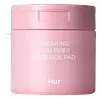
This smoothing toner pad uses a pre-saturated pad with Gluconolactone and Glycolic Acid to refine skin texture and refine the look of pores.
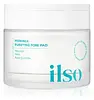
This pore-care toner pad uses a pre-saturated pad with Moringa Oleifera Seed Extract and Niacinamide to refine the look of pores and refine skin texture.

What's inside
What's inside
 Key Ingredients
Benefits
Concerns
Ingredients Side-by-side
Beta Vulgaris Root Extract
Skin ConditioningWater
Skin ConditioningDipropylene Glycol
HumectantMethylpropanediol
SolventButylene Glycol
Humectant

1,2-Hexanediol
Skin Conditioning
Theobroma Cacao Seed Extract
Antioxidant
Gardenia Florida Fruit Extract
Skin ConditioningPanthenol
Skin Conditioning


Trehalose
Humectant
Disodium EDTA
ChelatingXanthan Gum
EmulsifyingTromethamine
BufferingGluconolactone
Chelating





Allantoin
Skin Conditioning
Glycolic Acid
Buffering




Dextrin
AbsorbentCyanocobalamin
Skin ConditioningSalicylic Acid
Masking



Hydroxyacetophenone
Antioxidant
Beta Vulgaris Root Extract, Water, Dipropylene Glycol, Methylpropanediol, Butylene Glycol, 1,2-Hexanediol, Theobroma Cacao Seed Extract, Gardenia Florida Fruit Extract, Panthenol, Trehalose, Disodium EDTA, Xanthan Gum, Tromethamine, Gluconolactone, Allantoin, Glycolic Acid, Dextrin, Cyanocobalamin, Salicylic Acid, Hydroxyacetophenone
Water
Skin ConditioningMoringa Oleifera Seed Extract
Skin Conditioning
Erythritol
Humectant
Niacinamide
Smoothing
1,2-Hexanediol
Skin Conditioning
Dipropylene Glycol
HumectantGlycerin
Humectant
Gluconolactone
Chelating
Benzyl Glycol
SolventEthylhexylglycerin
Skin ConditioningAdenosine
Skin Conditioning
Disodium EDTA
ChelatingProtease
Exfoliating
Ectoin
Skin Conditioning
Capryloyl Salicylic Acid
Exfoliating
Butylene Glycol
Humectant
Panthenol
Skin Conditioning
Morus Alba Fruit Extract
Antioxidant
Ficus Carica Fruit Extract
Humectant
Ginkgo Biloba Nut Extract
Skin ConditioningPunica Granatum Fruit Extract
Antioxidant
Sodium Hyaluronate
Humectant
Chamaecyparis Obtusa Leaf Extract
Skin ConditioningHydrolyzed Collagen
Emollient
Salix Alba Bark Extract
Astringent
Origanum Vulgare Leaf Extract
Skin ConditioningPersea Gratissima Fruit Extract
EmollientPolyglutamic Acid
Skin Conditioning
Portulaca Oleracea Extract
Skin Conditioning
Scutellaria Baicalensis Root Extract
Astringent
Lactobacillus/Soybean Ferment Extract
Skin ConditioningCinnamomum Cassia Bark Extract
Masking
Caprylyl Glycol
Emollient
Acetyl Hexapeptide-8
Humectant
Hyaluronic Acid
Humectant
Hydrolyzed Hyaluronic Acid
Humectant
Hydroxypropyltrimonium Hyaluronate
Hydrolyzed Sodium Hyaluronate
Skin Conditioning
Sodium Acetylated Hyaluronate
Humectant
Sodium Hyaluronate Crosspolymer
Humectant
Potassium Hyaluronate
Skin ConditioningWater, Moringa Oleifera Seed Extract, Erythritol, Niacinamide, 1,2-Hexanediol, Dipropylene Glycol, Glycerin, Gluconolactone, Benzyl Glycol, Ethylhexylglycerin, Adenosine, Disodium EDTA, Protease, Ectoin, Capryloyl Salicylic Acid, Butylene Glycol, Panthenol, Morus Alba Fruit Extract, Ficus Carica Fruit Extract, Ginkgo Biloba Nut Extract, Punica Granatum Fruit Extract, Sodium Hyaluronate, Chamaecyparis Obtusa Leaf Extract, Hydrolyzed Collagen, Salix Alba Bark Extract, Origanum Vulgare Leaf Extract, Persea Gratissima Fruit Extract, Polyglutamic Acid, Portulaca Oleracea Extract, Scutellaria Baicalensis Root Extract, Lactobacillus/Soybean Ferment Extract, Cinnamomum Cassia Bark Extract, Caprylyl Glycol, Acetyl Hexapeptide-8, Hyaluronic Acid, Hydrolyzed Hyaluronic Acid, Hydroxypropyltrimonium Hyaluronate, Hydrolyzed Sodium Hyaluronate, Sodium Acetylated Hyaluronate, Sodium Hyaluronate Crosspolymer, Potassium Hyaluronate
Reviews
Ingredients Explained
These ingredients are found in both products.
Ingredients higher up in an ingredient list are typically present in a larger amount.
1,2-Hexanediol is a synthetic liquid and another multi-functional powerhouse.
It is a:
- Humectant, drawing moisture into the skin
- Emollient, helping to soften skin
- Solvent, dispersing and stabilizing formulas
- Preservative booster, enhancing the antimicrobial activity of other preservatives
Butylene Glycol (or BG) is used within cosmetic products for a few different reasons:
Overall, Butylene Glycol is a safe and well-rounded ingredient that works well with other ingredients.
Though this ingredient works well with most skin types, some people with sensitive skin may experience a reaction such as allergic rashes, closed comedones, or itchiness.
Learn more about Butylene GlycolDipropylene Glycol is a synthetically created humectant, stabilizer, and solvent.
This ingredient helps:
Dipropylene glycol is technically an alcohol, but it belongs to the glycol family (often considered part of the ‘good’ alcohols). This means it is hydrating and gentle on skin unlike drying solvent alcohols like denatured alcohol.
As a masking agent, Dipropylene Glycol can be used to cover the smell of other ingredients. However, it does not have a scent.
Studies show Dipropylene Glycol is considered safe to use in skincare.
Learn more about Dipropylene GlycolDisodium EDTA is a chelating agent. It grabs onto and deactivates metal ions that sneak into your products from water, packaging, or air.
This ingredient mainly works behind the scenes and helps with:
On top of that, this ingredient can counteract the effects of hard water by binding to the minerals in it.
One thing worth knowing is that Disodium EDTA has been shown to be a mild penetration enhancer. It can help other ingredients absorb into skin more effectively which can be a double-edged sword (great for actives, but can also make the active too strong if you have sensitive skin).
Clinical patch testing showed no significant skin irritation at typical use concentrations and minimal dermal absorption.
You'll most likely see this ingredient near the end of an ingredient list. It's typically found in concentrations less than 1%.
Learn more about Disodium EDTAGluconolactone is a PHA. PHAs are a great gentle alternative to traditional AHAs.
When applied, Gluconolactone has the same affect on skin as AHAs such as lactic acid. It helps dissolve the dead skin cells in the top layer of your skin. This improves texture and brightens the skin.
PHAs are more gentle than AHAs due to their larger structure. They do not penetrate as deeply as AHAs and take a longer time to dissolve dead cells. Studies show PHAs do not cause as much irritation.
Gluconolactone has some interesting properties:
In a 2004 study, Gluconolactone was found to prevent UV damage in mouse skin cells and has not been found to increase sun sensitivity. However, we still recommend wearing SPF daily.
This ingredient is is an created by reacting gluconic acid with an alcohol.
Learn more about GluconolactonePanthenol is a common ingredient that helps hydrate and soothe the skin. It is found naturally in our skin and hair.
There are two forms of panthenol: D and L.
D-panthenol is also known as dexpanthenol. Most cosmetics use dexpanthenol or a mixture of D and L-panthenol.
Panthenol is famous due to its ability to go deeper into the skin's layers. Using this ingredient has numerous pros (and no cons):
Like hyaluronic acid, panthenol is a humectant. Humectants are able to bind and hold large amounts of water to keep skin hydrated.
This ingredient works well for wound healing. It works by increasing tissue in the wound and helps close open wounds.
Once oxidized, panthenol converts to pantothenic acid. Panthothenic acid is found in all living cells.
This ingredient is also referred to as pro-vitamin B5.
Learn more about PanthenolWater. It's the most common cosmetic ingredient of all. You'll usually see it at the top of ingredient lists, meaning that it makes up the largest part of the product.
So why is it so popular? Water most often acts as a solvent - this means that it helps dissolve other ingredients into the formulation.
You'll also recognize water as that liquid we all need to stay alive. If you see this, drink a glass of water. Remember to stay hydrated!
Learn more about Water

