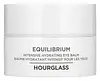
Hourglass Cosmetics Equilibrium Intensive Hydrating Eye Balm Versus SkinBetter Science EyeMax AlphaRet Overnight Cream
This anti-aging eye moisturizer is formulated around Ascorbic Acid to soften the look of wrinkles.
This anti-aging eye moisturizer is formulated around Ethyl Lactyl Retinoate and Niacinamide to soften the look of wrinkles and refine skin texture.

What's inside
What's inside
 Key Ingredients
Benefits
Concerns
Ingredients Side-by-side
Glycerin
Humectant


Triethylhexanoin
MaskingMethyl Trimethicone
Skin Conditioning
Diglycerin
Humectant
Polyglyceryl-6 Polyricinoleate
Emulsifying

Dimethicone
Emollient
Disteardimonium Hectorite
StabilisingPentylene Glycol
Skin Conditioning
Ethylhexyl Palmitate
Emollient


Glyceryl Behenate
Emollient
PEG-9 Polydimethylsiloxyethyl Dimethicone
Emulsifying
Polymethylsilsesquioxane
Water
Skin ConditioningAscorbic Acid
Antioxidant





Butylene Glycol
Humectant
Dimethicone/Vinyl Dimethicone Crosspolymer
Skin Conditioning
Dipalmitoyl Hydroxyproline
Skin Conditioning
Glyceryl Glucoside
Humectant
Lecithin
Emollient
Phoenix Dactylifera Seed
Skin ConditioningPhospholipids
Skin Conditioning
Phytosteryl/Octyldodecyl Lauroyl Glutamate
Skin ConditioningTheobroma Cacao Seed Extract
Antioxidant
Tocopherol
Antioxidant

Glycerin, Triethylhexanoin, Methyl Trimethicone, Diglycerin, Polyglyceryl-6 Polyricinoleate, Dimethicone, Disteardimonium Hectorite, Pentylene Glycol, Ethylhexyl Palmitate, Glyceryl Behenate, PEG-9 Polydimethylsiloxyethyl Dimethicone, Polymethylsilsesquioxane, Water, Ascorbic Acid, Butylene Glycol, Dimethicone/Vinyl Dimethicone Crosspolymer, Dipalmitoyl Hydroxyproline, Glyceryl Glucoside, Lecithin, Phoenix Dactylifera Seed, Phospholipids, Phytosteryl/Octyldodecyl Lauroyl Glutamate, Theobroma Cacao Seed Extract, Tocopherol
Water
Skin ConditioningPropanediol
Solvent
Isocetyl Stearoyl Stearate
Emollient
Glyceryl Stearate
Emollient
C10-18 Triglycerides
Emollient
Glycerin
Humectant
Jojoba Esters
Emollient
Niacinamide
Smoothing




Ethylhexyl Olivate
Skin Conditioning
Polyglyceryl-6 Palmitate/Succinate
Emulsifying
Coco-Caprylate/Caprate
Emollient
Hydroxypropyl Starch Phosphate
Cetearyl Alcohol
Emollient
Triheptanoin
Skin ConditioningButylene Glycol
Humectant
Dimethyl Isosorbide
SolventEthyl Lactyl Retinoate
Abrasive

Acetyl Hexapeptide-37
Skin Conditioning
Sodium Hyaluronate
Humectant
Glyceryl Glucoside
Humectant
Leontopodium Alpinum Flower/Leaf Extract
Skin ConditioningChamomilla Recutita Flower Extract
Masking
Astaxanthin
Skin Conditioning
Haematococcus Pluvialis Extract
Antioxidant
Crataegus Monogyna Flower Extract
Skin ConditioningJasminum Sambac Flower Extract
Masking
Tocopheryl Acetate
Antioxidant
Hydrolyzed Jojoba Esters
Skin Conditioning
Tremella Fuciformis Extract
Humectant
Tocopherol
Antioxidant
Potassium Cetyl Phosphate
EmulsifyingSucrose Stearate
EmollientC9-12 Alkane
SolventGluconolactone
Chelating
Calcium Gluconate
HumectantPolyurethane-10
Ethylhexylglycerin
Skin ConditioningAmmonium Polyacryloyldimethyl Taurate
Emulsion StabilisingSodium Phytate
ChelatingCitric Acid
Buffering
Phenoxyethanol
Preservative
Sodium Benzoate
Masking
Potassium Sorbate
Preservative
Water, Propanediol, Isocetyl Stearoyl Stearate, Glyceryl Stearate, C10-18 Triglycerides, Glycerin, Jojoba Esters, Niacinamide, Ethylhexyl Olivate, Polyglyceryl-6 Palmitate/Succinate, Coco-Caprylate/Caprate, Hydroxypropyl Starch Phosphate, Cetearyl Alcohol, Triheptanoin, Butylene Glycol, Dimethyl Isosorbide, Ethyl Lactyl Retinoate, Acetyl Hexapeptide-37, Sodium Hyaluronate, Glyceryl Glucoside, Leontopodium Alpinum Flower/Leaf Extract, Chamomilla Recutita Flower Extract, Astaxanthin, Haematococcus Pluvialis Extract, Crataegus Monogyna Flower Extract, Jasminum Sambac Flower Extract, Tocopheryl Acetate, Hydrolyzed Jojoba Esters, Tremella Fuciformis Extract, Tocopherol, Potassium Cetyl Phosphate, Sucrose Stearate, C9-12 Alkane, Gluconolactone, Calcium Gluconate, Polyurethane-10, Ethylhexylglycerin, Ammonium Polyacryloyldimethyl Taurate, Sodium Phytate, Citric Acid, Phenoxyethanol, Sodium Benzoate, Potassium Sorbate
Alternatives
Ingredients Explained
These ingredients are found in both products.
Ingredients higher up in an ingredient list are typically present in a larger amount.
Butylene Glycol (or BG) is used within cosmetic products for a few different reasons:
Overall, Butylene Glycol is a safe and well-rounded ingredient that works well with other ingredients.
Though this ingredient works well with most skin types, some people with sensitive skin may experience a reaction such as allergic rashes, closed comedones, or itchiness.
Learn more about Butylene GlycolGlycerin (or glycerol) is a compound naturally found in your skin. It's a powerhouse humectant that pulls water into the stratum corneum.
Topically, glycerin does several things at once:
Your skin makes glycerin on its own (mostly from sebaceous oil breakdown) and shuttles it to your outermost layer of skin, or your epidermis, via aquaporin-3.
Aquaporin-3 is a transporter that is essential for normal skin hydration, elasticity, and repair. Interestingly, mice lacking in AQP3 have dry and less elastic skin that can be fully corrected with glycerin.
This ingredient is non-irritating, plays well with almost every ingredient, and works across all skin types. Typical use is anywhere between 3-10% but can go up to 79% in some leave-on products.
Just know very high concentrations (>40%) can feel tacky in low humidity.
Glycerin is the name for this ingredient in American English. British English uses Glycerol/Glycerine.
Learn more about GlycerinGlyceryl Glucoside is made from glycerol and glucose.
It is a humectant. Humectants help hydrate your skin by drawing moisture to it from the air.
Some foods that contain glyceryl glucoside include sake, miso, and wines.
Learn more about Glyceryl GlucosideTocopherol is a fat-soluble antioxidant known as Vitamin E.
You'll find this ingredient in the vast majority of skincare (for good reason). It works to neutralize free radicals, or unstable molecules generated by UV exposure, pollution, and other environmental stressors, before they can cause oxidative damage to your skin cells.
Topically applied tocopherol has been shown to protect against UV damage by ramping up the skin's own natural defense enzymes.
It also acts as a skin conditioning agent; some studies show that regular topical use can improve the skin's water-binding capacity over 2-4 weeks.
This ingredient is especially loved for being a team player. When combined with Vitamin C, the photoprotective effect of both ingredients roughly doubles and the combo also helps reduce UV-induced DNA damage.
This ingredient has some brightening potential but it's more of a prevention ingredient than spot-fader. Cell studies show it can slow down melanin production but it's worth noting that it's not the most powerful brightener out there.
In formulations, it also serves as a stabilizer that helps protect other oxidation-prone ingredients from degrading.
Concentrations usually range from 0.1-1% in most leave-on products.
Learn more about TocopherolWater. It's the most common cosmetic ingredient of all. You'll usually see it at the top of ingredient lists, meaning that it makes up the largest part of the product.
So why is it so popular? Water most often acts as a solvent - this means that it helps dissolve other ingredients into the formulation.
You'll also recognize water as that liquid we all need to stay alive. If you see this, drink a glass of water. Remember to stay hydrated!
Learn more about Water

