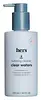
This mild cream cleanser is made to cleanse without leaving your skin tight or dry.
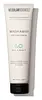
This mild gel cleanser is made to cleanse without leaving your skin tight or dry.

What's inside
What's inside
 Key Ingredients
Benefits
Concerns
Ingredients Side-by-side
Water
Skin ConditioningGlycerin
Humectant


Sodium Cocoyl Isethionate
Cleansing
Sodium Lauroyl Methyl Isethionate
CleansingCocamidopropyl Hydroxysultaine
Cleansing
Pyrus Malus Fruit Extract
Skin Conditioning
Glycol Distearate
Emollient

Squalane
Emollient
Chamomilla Recutita Flower Extract
Masking

Camellia Sinensis Leaf Extract
Antimicrobial



Oryza Sativa Bran Extract
Skin Conditioning
Rosa Damascena Extract
MaskingHibiscus Rosa-Sinensis Flower Extract
HumectantHelianthus Annuus Extract
Emollient
Rosmarinus Officinalis Leaf Extract
AntimicrobialSodium PCA
Humectant
Sodium Hyaluronate
Humectant
Polyacrylate Crosspolymer-6
Emulsion StabilisingSodium Methyl Cocoyl Taurate
Cleansing
Potassium Sorbate
Preservative
Saccharide Isomerate
Humectant
Acacia Senegal Gum
MaskingCitric Acid
Buffering
Xanthan Gum
EmulsifyingSodium Levulinate
Skin ConditioningSodium Phytate
ChelatingDecyl Glucoside
Cleansing
Lauryl Glucoside
CleansingTocopherol
Antioxidant

Water, Glycerin, Sodium Cocoyl Isethionate, Sodium Lauroyl Methyl Isethionate, Cocamidopropyl Hydroxysultaine, Pyrus Malus Fruit Extract, Glycol Distearate, Squalane, Chamomilla Recutita Flower Extract, Camellia Sinensis Leaf Extract, Oryza Sativa Bran Extract, Rosa Damascena Extract, Hibiscus Rosa-Sinensis Flower Extract, Helianthus Annuus Extract, Rosmarinus Officinalis Leaf Extract, Sodium PCA, Sodium Hyaluronate, Polyacrylate Crosspolymer-6, Sodium Methyl Cocoyl Taurate, Potassium Sorbate, Saccharide Isomerate, Acacia Senegal Gum, Citric Acid, Xanthan Gum, Sodium Levulinate, Sodium Phytate, Decyl Glucoside, Lauryl Glucoside, Tocopherol
Water
Skin ConditioningCocamidopropyl Hydroxysultaine
Cleansing
Coco-Glucoside
Cleansing
Glycerin
Humectant
Sodium Cocoyl Isethionate
Cleansing
Hydroxypropyl Guar Hydroxypropyltrimonium Chloride
Aloe Barbadensis Leaf Juice
Skin Conditioning
Panthenol
Skin Conditioning
Argania Spinosa Kernel Oil
Emollient
Vitis Vinifera Seed Oil
Emollient
Ananas Sativus Fruit Extract
Skin ConditioningPyrus Malus Fruit Extract
Skin Conditioning
Punica Granatum Fruit Extract
Antioxidant
Camellia Sinensis Leaf Extract
Antimicrobial
Vaccinium Macrocarpon Fruit Extract
AstringentSodium Hyaluronate
Humectant
Tocopheryl Acetate
Antioxidant
Squalane
Emollient
Caprylyl/Capryl Glucoside
CleansingGlycol Distearate
Emollient
Phenoxyethanol
Preservative
Benzoic Acid
Masking
Trisodium Ethylenediamine Disuccinate
ChelatingDehydroacetic Acid
Preservative
Sodium Benzoate
Masking
Potassium Sorbate
Preservative
Water, Cocamidopropyl Hydroxysultaine, Coco-Glucoside, Glycerin, Sodium Cocoyl Isethionate, Hydroxypropyl Guar Hydroxypropyltrimonium Chloride, Aloe Barbadensis Leaf Juice, Panthenol, Argania Spinosa Kernel Oil, Vitis Vinifera Seed Oil, Ananas Sativus Fruit Extract, Pyrus Malus Fruit Extract, Punica Granatum Fruit Extract, Camellia Sinensis Leaf Extract, Vaccinium Macrocarpon Fruit Extract, Sodium Hyaluronate, Tocopheryl Acetate, Squalane, Caprylyl/Capryl Glucoside, Glycol Distearate, Phenoxyethanol, Benzoic Acid, Trisodium Ethylenediamine Disuccinate, Dehydroacetic Acid, Sodium Benzoate, Potassium Sorbate
Reviews
Ingredients Explained
These ingredients are found in both products.
Ingredients higher up in an ingredient list are typically present in a larger amount.
Camellia Sinensis Leaf Extract (tea extract) is one of the most well-researched plant extracts in skincare with an impressive resume.
Black tea, green tea, and oolong tea are all harvested from the Camellia Sinensis plant.
Studies show green tea extract and its catechins (like epigallocatechin gallate (EGCG)) help your skin cells product energy more efficiently and reducing the number of free-radicals that can damage your skin from the inside.
In lab-grown skin models, this translated to younger, healthier, and stronger skin.
There's also good sun protection data; researchers saw less DNA damage and redness on human skin when green tea was applied before UVB exposure. And the more they applied, the better the protection.
Needless to say, this ingredient shouldn't replace your sunscreen. But it is a great supportive ingredient that you can already find in many sunscreens and antioxidant serums.
A 2009 study found a 2% green tea lotion was effective for mild-to-moderate acne thanks to its anti-inflammatory and mild antimicrobial activity.
The quality of the extract matters a lot here:
Good extracts contain 50-90% catechins while lower quality ones are mostly there for marketing. We recommend reaching out to the brand if you have questions about the quality or source of their ingredients.
Human Repeated Insult Patch Testing showed no irritation or sensitization at use concentrations (0.86% in leave-on products and up to 30% as leaf water).
Learn more about Camellia Sinensis Leaf ExtractCocamidopropyl Hydroxysultaine is a synthetic cleansing agent, though it is derived from coconut oil.
It is used to enhance the texture of products by boosting lather and thickening the texture. As a cleanser, Cocamidopropyl Hydroxysultaine is mild.
Glycerin (or glycerol) is a compound naturally found in your skin. It's a powerhouse humectant that pulls water into the stratum corneum.
Topically, glycerin does several things at once:
Your skin makes glycerin on its own (mostly from sebaceous oil breakdown) and shuttles it to your outermost layer of skin, or your epidermis, via aquaporin-3.
Aquaporin-3 is a transporter that is essential for normal skin hydration, elasticity, and repair. Interestingly, mice lacking in AQP3 have dry and less elastic skin that can be fully corrected with glycerin.
This ingredient is non-irritating, plays well with almost every ingredient, and works across all skin types. Typical use is anywhere between 3-10% but can go up to 79% in some leave-on products.
Just know very high concentrations (>40%) can feel tacky in low humidity.
Glycerin is the name for this ingredient in American English. British English uses Glycerol/Glycerine.
Learn more about GlycerinGlycol Distearate is an emulsifier and emollient that adds a "pearly" appearance to formulations.
That lustrous look you see in many shampoos is due to this ingredient: when cooled, it crystallizes into small platelets that reflect light to give products that rich, shimmering look.
This ingredient is considered safe at present practices of use and concentration and repeated insult patch test with 50% Glycol Distearate on 125 subjects found no evidence of skin irritation, hypersensitivity, or acute toxicity.
Typical use concentrations range from 0.1-10%.
Because it's an ester of stearic acid, it falls into the range that Malassezia likes to metabolize. This ingredient may not be fungal acne safe.
Learn more about Glycol DistearatePotassium Sorbate is a preservative used to prevent yeast and mold in products. It is commonly found in both cosmetic and food products.
This ingredient comes from potassium salt derived from sorbic acid. Sorbic acid is a natural antibiotic and effective against fungus.
Both potassium sorbate and sorbic acid can be found in baked goods, cheeses, dried meats, dried fruit, ice cream, pickles, wine, yogurt, and more.
You'll often find this ingredient used with other preservatives.
Learn more about Potassium SorbatePyrus Malus Fruit Extract is extract from Apples. Apples are rich in Vitamin C, sugars, and antioxidants.
The sugar in Apples are humectants and help hydrate the skin. On top of that, apples also contain some acids, such as malic acid. These acids may have a mild exfoliating effect.
Last, the phytochemicals found in apples are strong antioxidants. These antioxidants help with anti-aging as they protect your skin cells against oxidative damage.
Learn more about Pyrus Malus Fruit ExtractSodium cocoyl isethionate is a natural ingredient from coconut oil. It is an ultra gentle cleanser that gives a nice foam without drying the skin or impacting the skin barrier.
The amount of foam created depends on the amount of sodium cocoyl isethionate used in the product.
This ingredient also helps improve the spreadability of a product.
This ingredient hasn’t been shown in studies to feed fungal acne yeast.
Learn more about Sodium Cocoyl IsethionateSodium Hyaluronate is the salt form of hyaluronic acid. It is a long sugar chain that is naturally found in your skin, joints, and connective tissue that maintains hydration and elasticity.
In skincare, it works as a humectant. It pulls water from the environment and deeper layers of skin and binds it to the surface.
Interestingly, the size of the molecule affects its behavior:
Some clinical evidence links low molecular weight versions to improved wrinkle depth, elasticity, anti-inflammatory effects, and barrier repair.
Many serums use a blend of both weights so you can get surface hydration plus longer-lasting and deeper effects.
You'll typically see concentrations between 0.1-2% for this ingredient.
Learn more about Sodium HyaluronateSqualane is the hydrogenated and shelf-stable form of squalene (a lipid that naturally occurs in human sebum).
It is an emollient and skin conditioning agent that is able to integrate seamlessly into the skin's lipid barrier without clogging pores.
This is due to how structurally similar it is to what your skin already produces.
Though it is mostly an emollient that helps soften and hydrate skin, it also has some humectant and occlusive action. Humectants help the skin retain moisture while occlusives seal it in, making squalane a triple-threat moisturizer.
Research shows it has antioxidant capabilities that help protect against stressors like UV exposure, specifically UVA induced oxidative stress. This study also found that it supports collagen biosynthesis in human dermal fibroblasts.
No clinical study has reported significant adverse effects and irritation reactions are very rare from this ingredient (even at 100% concentration).
Overall, it's a fantastic ingredient for hydration and is suitable for all skin types.
This depends on the source. Squalane can be derived from both plants and animals. Most squalane used in skincare comes from plants.
Please note: the source of squalane is only known if disclosed by the brand. We recommend reaching out to the brand if you have any questions about their squalane.
Read more about squalene with an "e".
Though squalane is often called an oil, it’s technically not one. It is a hydrocarbon, meaning it is only made of carbon and hydrogen. True oils are triglycerides and made of fatty acids and glycerol.
The term “oil-free” isn’t regulated so companies can define it however they want. Some exclude all oils, while others just avoid mineral oil or comedogenic oils.
Squalane has a comedogenic rating of 1 from the original 1972 study that tested raw ingredients under occlusion on rabbit ears. This system is not standardized or peer-reviewed, and using the raw ingredients is very different from how diluted cosmetic formulations are used on human skin.
A comedogenic rating of 1 means it is "unlikely to clog pores" according to the original rating system.
The overall formula of a product matters more than the individual ingredients on whether or not it will cause clogged pores.
Learn more about SqualaneWater. It's the most common cosmetic ingredient of all. You'll usually see it at the top of ingredient lists, meaning that it makes up the largest part of the product.
So why is it so popular? Water most often acts as a solvent - this means that it helps dissolve other ingredients into the formulation.
You'll also recognize water as that liquid we all need to stay alive. If you see this, drink a glass of water. Remember to stay hydrated!
Learn more about Water

