
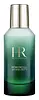
This barrier-repair emulsion is formulated around Squalane and Hydrolyzed Hyaluronic Acid to strengthen the skin barrier and hydrate skin.
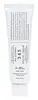
This calming moisturizer is formulated around Melaleuca Alternifolia Leaf Water and Niacinamide to calm redness and strengthen the skin barrier.


What's inside
What's inside
 Key Ingredients
Benefits
Concerns
No concerns
Ingredients Side-by-side
Water
Skin ConditioningGlycerin
Humectant


Caprylic/Capric Triglyceride
Masking
Squalane
Emollient
Crithmum Maritimum Callus Culture Filtrate
Skin ProtectingPolymnia Sonchifolia Root Juice
Skin ConditioningCarbomer
Emulsion StabilisingSaccharide Isomerate
Humectant
Alpha-Glucan Oligosaccharide
Cleansing
Sodium Hydroxide
BufferingPhenethyl Alcohol
MaskingAmmonium Polyacryloyldimethyl Taurate
Emulsion StabilisingHydrolyzed Hyaluronic Acid
Humectant
Hydrolyzed Yeast
Skin ConditioningHydroxyacetophenone
Antioxidant
Caprylyl Glycol
Emollient
Lauroyl Lysine
Skin Conditioning
Trisodium Ethylenediamine Disuccinate
ChelatingLactobacillus
Skin ConditioningMaltodextrin
Absorbent
Polyamide-8
Emollient1,2-Hexanediol
Skin Conditioning
Pentaerythrityl Tetra-Di-T-Butyl Hydroxyhydrocinnamate
Antioxidant
Mica
Cosmetic ColorantCI 77891
Cosmetic ColorantParfum
Masking




Water, Glycerin, Caprylic/Capric Triglyceride, Squalane, Crithmum Maritimum Callus Culture Filtrate, Polymnia Sonchifolia Root Juice, Carbomer, Saccharide Isomerate, Alpha-Glucan Oligosaccharide, Sodium Hydroxide, Phenethyl Alcohol, Ammonium Polyacryloyldimethyl Taurate, Hydrolyzed Hyaluronic Acid, Hydrolyzed Yeast, Hydroxyacetophenone, Caprylyl Glycol, Lauroyl Lysine, Trisodium Ethylenediamine Disuccinate, Lactobacillus, Maltodextrin, Polyamide-8, 1,2-Hexanediol, Pentaerythrityl Tetra-Di-T-Butyl Hydroxyhydrocinnamate, Mica, CI 77891, Parfum
Water
Skin ConditioningMelaleuca Alternifolia Leaf Water
Antimicrobial
Propanediol
Solvent
Glycerin
Humectant
1,2-Hexanediol
Skin Conditioning
Hydrogenated Polydecene
EmollientVinyldimethicone

C14-22 Alcohols
Emulsion Stabilising
Niacinamide
Smoothing





Caprylic/Capric Triglyceride
Masking
Panthenol
Skin Conditioning
Dicaprylyl Carbonate
EmollientButylene Glycol
Humectant
Ammonium Acryloyldimethyltaurate/Vp Copolymer
Caprylyl Methicone
Skin Conditioning
Polymethylsilsesquioxane
C12-20 Alkyl Glucoside
EmulsifyingHydroxyacetophenone
Antioxidant
Acrylates/C10-30 Alkyl Acrylate Crosspolymer
Emulsion StabilisingPolyquaternium-51
Skin Conditioning
Ethylhexylglycerin
Skin ConditioningTromethamine
BufferingSodium Hyaluronate
Humectant
Sodium Stearoyl Glutamate
CleansingCoptis Japonica Root Extract
Skin ConditioningCentella Asiatica Leaf Water
Skin Conditioning
Beta-Glucan
Skin Conditioning
Resveratrol
Antioxidant
Hydrolyzed Hyaluronic Acid
Humectant
Camellia Sinensis Leaf Water
Masking
Tocopherol
Antioxidant
Madecassoside
Antioxidant
Sodium DNA
Skin Conditioning
Centella Asiatica Extract
Cleansing
Ceramide NP
Skin Conditioning
Tannic Acid
AstringentDisodium EDTA
ChelatingSodium Phytate
ChelatingWater, Melaleuca Alternifolia Leaf Water, Propanediol, Glycerin, 1,2-Hexanediol, Hydrogenated Polydecene, Vinyldimethicone, C14-22 Alcohols, Niacinamide, Caprylic/Capric Triglyceride, Panthenol, Dicaprylyl Carbonate, Butylene Glycol, Ammonium Acryloyldimethyltaurate/Vp Copolymer, Caprylyl Methicone, Polymethylsilsesquioxane, C12-20 Alkyl Glucoside, Hydroxyacetophenone, Acrylates/C10-30 Alkyl Acrylate Crosspolymer, Polyquaternium-51, Ethylhexylglycerin, Tromethamine, Sodium Hyaluronate, Sodium Stearoyl Glutamate, Coptis Japonica Root Extract, Centella Asiatica Leaf Water, Beta-Glucan, Resveratrol, Hydrolyzed Hyaluronic Acid, Camellia Sinensis Leaf Water, Tocopherol, Madecassoside, Sodium DNA, Centella Asiatica Extract, Ceramide NP, Tannic Acid, Disodium EDTA, Sodium Phytate
Reviews
Ingredients Explained
These ingredients are found in both products.
Ingredients higher up in an ingredient list are typically present in a larger amount.
1,2-Hexanediol is a synthetic liquid and another multi-functional powerhouse.
It is a:
- Humectant, drawing moisture into the skin
- Emollient, helping to soften skin
- Solvent, dispersing and stabilizing formulas
- Preservative booster, enhancing the antimicrobial activity of other preservatives
Caprylic/Capric Triglyceride (aka MCT Oil) is a lightweight emollient, solvent, and texture enhancer. It is considered a skin-softener by helping to prevent moisture loss.
Though it behaves like an oil, it is not technically one due to its chemical composition. One perk of this ingredient is that it is very stable, resistant to oxidation, and unlikely to go rancid.
In practice, that translates to a long shelf life and a consistently elegant skin feel.
While there is an assumption Caprylic Triglyceride can clog pores due to it being derived from coconut oil, there is no research supporting this. Just patch test if you have concerns.
Fractionated coconut oil and MCT Oil are both listed as Caprylic/Capric Triglyceride according to INCI. This is because INCI names are based on the ingredient’s final chemical composition and not its marketing name or source.
This ingredient is treated as the gold standard fungal acne safe oil. Even though it is coconut derived, the problematic lauric acid is stripped out.
This leaves just caprylic (C8) and capric (C10) acid. These chain lengths actually trend antifungal; a 2020 study found caprylic acid was enough to disrupt Malassezia furfur cell membrane, with a caprylic acid derivative damaging membrane structures at concentrations as low as 0.2%.
Learn more about Caprylic/Capric TriglycerideGlycerin (or glycerol) is a compound naturally found in your skin. It's a powerhouse humectant that pulls water into the stratum corneum.
Topically, glycerin does several things at once:
Your skin makes glycerin on its own (mostly from sebaceous oil breakdown) and shuttles it to your outermost layer of skin, or your epidermis, via aquaporin-3.
Aquaporin-3 is a transporter that is essential for normal skin hydration, elasticity, and repair. Interestingly, mice lacking in AQP3 have dry and less elastic skin that can be fully corrected with glycerin.
This ingredient is non-irritating, plays well with almost every ingredient, and works across all skin types. Typical use is anywhere between 3-10% but can go up to 79% in some leave-on products.
Just know very high concentrations (>40%) can feel tacky in low humidity.
Glycerin is the name for this ingredient in American English. British English uses Glycerol/Glycerine.
Learn more about GlycerinHydrolyzed Hyaluronic Acid is hyaluronic acid (HA) that is broken down into lower molecular weight fragments.
It's a humectant that pulls and holds water in the skin to help with hydration, plumpness, and reduce transepidermal water loss.
Because hydrolyzed hyaluronic acid is smaller in size, it can slip past your outermost layer of skin more easily than full-sized HA.
Most formulations will combine all sizes to get the best of both worlds.
Typical usage levels range from 0.01-1%. Any percentage higher than 2% might become goopy and tacky.
Learn more about Hydrolyzed Hyaluronic AcidHydroxyacetophenone is a small phenolic molecule that earns its place in a formulas as an antioxidant and preservative booster.
As a phenol, it is able to neutralize free radicals to protect both the product and the skin from oxidative stress.
Though it can't kill microbes on its own, it works as a good supporting agent when combined with other preservatives like Phenoxyethanol or 1,2-Hexanediol.
This ingredient naturally occurs as piceol in Norwegian spruce needles (~0.4-1.1% dry weight and in cloudberries). Though the cosmetic-grade material is synthesized for purity and consistency.
You'll usually see it used at low levels and suppliers recommend up to 1% added to a water phase.
Safety testing was done at concentrations like 0.05% in SPF products and 0.5% in a Human Repeated Insult Patch Test. The safety evidence is assuring; this ingredient is safe for cosmetics in current use and also holds safety status as a food flavoring as well.
An honest caveat: the "soothing" and "anti-inflammatory" claims come mostly from supplier marketing rather than published clinical trials. The Cosmetic Ingredient Review's own literature search found no useful efficacy studies on this ingredient.
So the antioxidant and preservative-boosting roles are the well supported ones while the calming benefit is plausible but thinly evidenced.
Overall, this is a well-tolerated, low-irritation multitasker that quietly helps a formula stay fresh and stable.
Learn more about HydroxyacetophenoneWater. It's the most common cosmetic ingredient of all. You'll usually see it at the top of ingredient lists, meaning that it makes up the largest part of the product.
So why is it so popular? Water most often acts as a solvent - this means that it helps dissolve other ingredients into the formulation.
You'll also recognize water as that liquid we all need to stay alive. If you see this, drink a glass of water. Remember to stay hydrated!
Learn more about Water

