
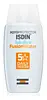
This chemical sunscreen covers the full UV range and blocks ~98% of UVB at SPF 50.
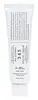
This calming moisturizer is formulated around Melaleuca Alternifolia Leaf Water and Niacinamide to calm redness and strengthen the skin barrier.


What's inside
What's inside
 Key Ingredients
Benefits
Concerns
No concerns
Ingredients Side-by-side
Water
Skin ConditioningOctocrylene
UV Absorber



Ethylhexyl Salicylate
UV Absorber
Propanediol
Solvent

Butyl Methoxydibenzoylmethane
UV Absorber
Polymethyl Methacrylate

Dimethicone
Emollient

Phenylbenzimidazole Sulfonic Acid
UV Absorber
Polysilicone-15
UV Filter
Propylene Glycol Dicaprylate/Dicaprate
EmollientTromethamine
BufferingBis-Ethylhexyloxyphenol Methoxyphenyl Triazine
UV Absorber
Silica
Abrasive

Dimethicone/Vinyl Dimethicone Crosspolymer
Skin Conditioning
1,2-Hexanediol
Skin Conditioning
Polysorbate 60
Emulsifying

PEG-10 Dimethicone
Skin Conditioning
Sodium Hyaluronate
Humectant


Tocopheryl Acetate
Antioxidant


Xanthan Gum
EmulsifyingCaprylyl Glycol
Emollient
Disodium EDTA
ChelatingPEG-8
HumectantTocopherol
Antioxidant
Tropolone
Skin ConditioningAscorbyl Palmitate
Antioxidant
Ascorbic Acid
Antioxidant
Citric Acid
Buffering
Water, Octocrylene, Ethylhexyl Salicylate, Propanediol, Butyl Methoxydibenzoylmethane, Polymethyl Methacrylate, Dimethicone, Phenylbenzimidazole Sulfonic Acid, Polysilicone-15, Propylene Glycol Dicaprylate/Dicaprate, Tromethamine, Bis-Ethylhexyloxyphenol Methoxyphenyl Triazine, Silica, Dimethicone/Vinyl Dimethicone Crosspolymer, 1,2-Hexanediol, Polysorbate 60, PEG-10 Dimethicone, Sodium Hyaluronate, Tocopheryl Acetate, Xanthan Gum, Caprylyl Glycol, Disodium EDTA, PEG-8, Tocopherol, Tropolone, Ascorbyl Palmitate, Ascorbic Acid, Citric Acid
Water
Skin ConditioningMelaleuca Alternifolia Leaf Water
Antimicrobial
Propanediol
Solvent
Glycerin
Humectant
1,2-Hexanediol
Skin Conditioning
Hydrogenated Polydecene
EmollientVinyldimethicone
C14-22 Alcohols
Emulsion Stabilising
Niacinamide
Smoothing

Caprylic/Capric Triglyceride
Masking
Panthenol
Skin Conditioning
Dicaprylyl Carbonate
EmollientButylene Glycol
Humectant
Ammonium Acryloyldimethyltaurate/Vp Copolymer
Caprylyl Methicone
Skin Conditioning
Polymethylsilsesquioxane
C12-20 Alkyl Glucoside
EmulsifyingHydroxyacetophenone
Antioxidant
Acrylates/C10-30 Alkyl Acrylate Crosspolymer
Emulsion StabilisingPolyquaternium-51
Skin Conditioning
Ethylhexylglycerin
Skin ConditioningTromethamine
BufferingSodium Hyaluronate
Humectant
Sodium Stearoyl Glutamate
CleansingCoptis Japonica Root Extract
Skin ConditioningCentella Asiatica Leaf Water
Skin Conditioning
Beta-Glucan
Skin Conditioning
Resveratrol
Antioxidant
Hydrolyzed Hyaluronic Acid
Humectant
Camellia Sinensis Leaf Water
Masking
Tocopherol
Antioxidant
Madecassoside
Antioxidant
Sodium DNA
Skin Conditioning
Centella Asiatica Extract
Cleansing
Ceramide NP
Skin Conditioning
Tannic Acid
AstringentDisodium EDTA
ChelatingSodium Phytate
ChelatingWater, Melaleuca Alternifolia Leaf Water, Propanediol, Glycerin, 1,2-Hexanediol, Hydrogenated Polydecene, Vinyldimethicone, C14-22 Alcohols, Niacinamide, Caprylic/Capric Triglyceride, Panthenol, Dicaprylyl Carbonate, Butylene Glycol, Ammonium Acryloyldimethyltaurate/Vp Copolymer, Caprylyl Methicone, Polymethylsilsesquioxane, C12-20 Alkyl Glucoside, Hydroxyacetophenone, Acrylates/C10-30 Alkyl Acrylate Crosspolymer, Polyquaternium-51, Ethylhexylglycerin, Tromethamine, Sodium Hyaluronate, Sodium Stearoyl Glutamate, Coptis Japonica Root Extract, Centella Asiatica Leaf Water, Beta-Glucan, Resveratrol, Hydrolyzed Hyaluronic Acid, Camellia Sinensis Leaf Water, Tocopherol, Madecassoside, Sodium DNA, Centella Asiatica Extract, Ceramide NP, Tannic Acid, Disodium EDTA, Sodium Phytate
Reviews
Ingredients Explained
These ingredients are found in both products.
Ingredients higher up in an ingredient list are typically present in a larger amount.
1,2-Hexanediol is a synthetic liquid and another multi-functional powerhouse.
It is a:
- Humectant, drawing moisture into the skin
- Emollient, helping to soften skin
- Solvent, dispersing and stabilizing formulas
- Preservative booster, enhancing the antimicrobial activity of other preservatives
Disodium EDTA is a chelating agent. It grabs onto and deactivates metal ions that sneak into your products from water, packaging, or air.
This ingredient mainly works behind the scenes and helps with:
On top of that, this ingredient can counteract the effects of hard water by binding to the minerals in it.
One thing worth knowing is that Disodium EDTA has been shown to be a mild penetration enhancer. It can help other ingredients absorb into skin more effectively which can be a double-edged sword (great for actives, but can also make the active too strong if you have sensitive skin).
Clinical patch testing showed no significant skin irritation at typical use concentrations and minimal dermal absorption.
You'll most likely see this ingredient near the end of an ingredient list. It's typically found in concentrations less than 1%.
Learn more about Disodium EDTAPropanediol is an all-star ingredient. It softens, hydrates, and smooths the skin.
It’s often used to:
Propanediol is not likely to cause sensitivity and considered safe to use. It is derived from corn or petroleum with a clear color and no scent.
Learn more about PropanediolSodium Hyaluronate is the salt form of hyaluronic acid. It is a long sugar chain that is naturally found in your skin, joints, and connective tissue that maintains hydration and elasticity.
In skincare, it works as a humectant. It pulls water from the environment and deeper layers of skin and binds it to the surface.
Interestingly, the size of the molecule affects its behavior:
Some clinical evidence links low molecular weight versions to improved wrinkle depth, elasticity, anti-inflammatory effects, and barrier repair.
Many serums use a blend of both weights so you can get surface hydration plus longer-lasting and deeper effects.
You'll typically see concentrations between 0.1-2% for this ingredient.
Learn more about Sodium HyaluronateTocopherol is a fat-soluble antioxidant known as Vitamin E.
You'll find this ingredient in the vast majority of skincare (for good reason). It works to neutralize free radicals, or unstable molecules generated by UV exposure, pollution, and other environmental stressors, before they can cause oxidative damage to your skin cells.
Topically applied tocopherol has been shown to protect against UV damage by ramping up the skin's own natural defense enzymes.
It also acts as a skin conditioning agent; some studies show that regular topical use can improve the skin's water-binding capacity over 2-4 weeks.
This ingredient is especially loved for being a team player. When combined with Vitamin C, the photoprotective effect of both ingredients roughly doubles and the combo also helps reduce UV-induced DNA damage.
This ingredient has some brightening potential but it's more of a prevention ingredient than spot-fader. Cell studies show it can slow down melanin production but it's worth noting that it's not the most powerful brightener out there.
In formulations, it also serves as a stabilizer that helps protect other oxidation-prone ingredients from degrading.
Concentrations usually range from 0.1-1% in most leave-on products.
Learn more about TocopherolTromethamine (aka THAM) is a synthetic amino acid that shows up in skincare as a helper ingredient.
It functions as a pH adjuster to help neutralize acidic ingredients and set a formula's pH to the right spot.
This matters a lot because a lot of actives (like vitamin C) needs a specific pH to work well and feel comfortable on skin.
Concentration use ranges from 0.1-1.0% depending on the formula.
Learn more about TromethamineWater. It's the most common cosmetic ingredient of all. You'll usually see it at the top of ingredient lists, meaning that it makes up the largest part of the product.
So why is it so popular? Water most often acts as a solvent - this means that it helps dissolve other ingredients into the formulation.
You'll also recognize water as that liquid we all need to stay alive. If you see this, drink a glass of water. Remember to stay hydrated!
Learn more about Water

