
What's inside
What's inside
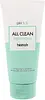 Key Ingredients
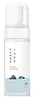
No key ingredients
Benefits
Concerns
Ingredients Side-by-side
Water
Skin ConditioningPotassium Laureth Phosphate
EmulsifyingGlycerin
Humectant


Lauryl Hydroxysultaine
CleansingAcrylates/C10-30 Alkyl Acrylate Crosspolymer
Emulsion StabilisingQuillaja Saponaria Bark Extract
CleansingCentella Asiatica Extract
Cleansing



Hamamelis Virginiana Water
Astringent



Potassium Cocoyl Glutamate
Surfactant
Citric Acid
Buffering

Coco-Glucoside
Cleansing
Sodium Chloride
MaskingCaprylyl Glycol
Emollient
Glyceryl Caprylate
EmollientTromethamine
BufferingSodium Cocoyl Glutamate
Cleansing
Sodium Cocoyl Isethionate
Cleansing
1,2-Hexanediol
Skin Conditioning
Disodium EDTA
Water, Potassium Laureth Phosphate, Glycerin, Lauryl Hydroxysultaine, Acrylates/C10-30 Alkyl Acrylate Crosspolymer, Quillaja Saponaria Bark Extract, Centella Asiatica Extract, Hamamelis Virginiana Water, Potassium Cocoyl Glutamate, Citric Acid, Coco-Glucoside, Sodium Chloride, Caprylyl Glycol, Glyceryl Caprylate, Tromethamine, Sodium Cocoyl Glutamate, Sodium Cocoyl Isethionate, 1,2-Hexanediol, Disodium EDTA
Water
Skin ConditioningDisodium Cocoyl Glutamate
Cleansing
Glycerin
Humectant
Coco-Glucoside
Cleansing
Disodium Cocoamphodiacetate
CleansingLauryl Glucoside
CleansingMethylpropanediol
SolventButylene Glycol
Humectant
Sea Water
HumectantHyaluronic Acid
Humectant
Hydrolyzed Hyaluronic Acid
Humectant
Sodium Hyaluronate
Humectant
Decyl Glucoside
Cleansing
Salix Alba Bark Extract
Astringent

Camellia Sinensis Leaf Extract
Antimicrobial

Centella Asiatica Leaf Extract
Skin Conditioning
Pinus Densiflora Leaf Extract
Antimicrobial
Citrus Aurantium Bergamia Leaf Extract
AstringentCoffea Arabica Seed Extract
Masking
Cladosiphon Okamuranus Extract
Skin ConditioningDipotassium Glycyrrhizate
Humectant
Panthenol
Skin Conditioning
Allantoin
Skin Conditioning
Salicylic Acid
Masking


Ethylhexylglycerin
Skin ConditioningSodium Chloride
MaskingCaprylyl Glycol
Emollient
Ethoxydiglycol
HumectantGlyceryl Caprylate
EmollientQuillaja Saponaria Bark Extract
CleansingPolyglyceryl-10 Myristate
Skin Conditioning
Sodium Citrate
BufferingDipropylene Glycol
HumectantPolyglyceryl-10 Laurate
Skin Conditioning
Sodium Cocoyl Isethionate
Cleansing
Glycereth-26
Humectant
Propanediol
Solvent
Sodium Phytate
1,2-Hexanediol
Skin Conditioning
Citric Acid
Buffering
2,3-Butanediol
HumectantWater, Disodium Cocoyl Glutamate, Glycerin, Coco-Glucoside, Disodium Cocoamphodiacetate, Lauryl Glucoside, Methylpropanediol, Butylene Glycol, Sea Water, Hyaluronic Acid, Hydrolyzed Hyaluronic Acid, Sodium Hyaluronate, Decyl Glucoside, Salix Alba Bark Extract, Camellia Sinensis Leaf Extract, Centella Asiatica Leaf Extract, Pinus Densiflora Leaf Extract, Citrus Aurantium Bergamia Leaf Extract, Coffea Arabica Seed Extract, Cladosiphon Okamuranus Extract, Dipotassium Glycyrrhizate, Panthenol, Allantoin, Salicylic Acid, Ethylhexylglycerin, Sodium Chloride, Caprylyl Glycol, Ethoxydiglycol, Glyceryl Caprylate, Quillaja Saponaria Bark Extract, Polyglyceryl-10 Myristate, Sodium Citrate, Dipropylene Glycol, Polyglyceryl-10 Laurate, Sodium Cocoyl Isethionate, Glycereth-26, Propanediol, Sodium Phytate, 1,2-Hexanediol, Citric Acid, 2,3-Butanediol
Reviews
Ingredients Explained
These ingredients are found in both products.
Ingredients higher up in an ingredient list are typically present in a larger amount.
1,2-Hexanediol is a synthetic liquid and another multi-functional powerhouse.
It is a:
- Humectant, drawing moisture into the skin
- Emollient, helping to soften skin
- Solvent, dispersing and stabilizing formulas
- Preservative booster, enhancing the antimicrobial activity of other preservatives
Caprylyl Glycol is a humectant, skin conditioner, emollient, and preservative booster derived from either caprylic acid or synthetically created.
Typical use levels vary from 0.3-1% as a preservative booster and go up to 2% to condition skin.
Because it is not a free-fatty acid, this ingredient is fungal acne safe (there's nothing for Malassezia to feed on).
Learn more about Caprylyl GlycolCitric Acid is an alpha hydroxy acid (AHA) naturally found in citrus fruits like oranges, lemons, and limes.
Like other AHAs, citric acid can exfoliate skin by breaking down the bonds that hold dead skin cells together. This helps reveal smoother and brighter skin underneath.
However, this exfoliating effect only happens at high concentrations (20%) which can be hard to find in cosmetic products.
Due to this, citric acid is usually included in small amounts as a pH adjuster. This helps keep products slightly more acidic and compatible with skin's natural pH.
In skincare formulas, citric acid can:
While it can provide some skin benefits, research shows lactic acid and glycolic acid are generally more effective and less irritating exfoliants.
Most citric acid used in skincare today is made by fermenting sugars (usually from molasses). This synthetic version is identical to the natural citrus form but easier to stabilize and use in formulations.
Read more about some other popular AHA's here:
Learn more about Citric AcidCoco-Glucoside is a surfactant, or a cleansing ingredient. It is made from glucose and coconut oil.
Surfactants help gather dirt, oil, and other pollutants from your skin to be rinsed away.
This ingredient is considered gentle and non-comedogenic. However, it may still be irritating for some.
Learn more about Coco-GlucosideGlycerin (or glycerol) is a compound naturally found in your skin. It's a powerhouse humectant that pulls water into the stratum corneum.
Topically, glycerin does several things at once:
Your skin makes glycerin on its own (mostly from sebaceous oil breakdown) and shuttles it to your outermost layer of skin, or your epidermis, via aquaporin-3.
Aquaporin-3 is a transporter that is essential for normal skin hydration, elasticity, and repair. Interestingly, mice lacking in AQP3 have dry and less elastic skin that can be fully corrected with glycerin.
This ingredient is non-irritating, plays well with almost every ingredient, and works across all skin types. Typical use is anywhere between 3-10% but can go up to 79% in some leave-on products.
Just know very high concentrations (>40%) can feel tacky in low humidity.
Glycerin is the name for this ingredient in American English. British English uses Glycerol/Glycerine.
Learn more about GlycerinGlyceryl Caprylate comes from glycerin and caprylic acid. It is an emollient, co-emulsifier, and preservative booster.
Its short C8 fatty acid chain makes it behave differently from its longer-chain emollient cousins like Glyceryl Stearate. It feels more lightweight, fast-absorbing, and silky instead of rich and waxy.
As a co-emulsifier, its "head" and "tail" sit at the oil-water interface. But overall, the short C8 tail and not being water soluble means it doesn't really have the muscle to emulsify a formula on its own. That's why you'll often see it paired with a primary emulsifier like Cetearyl Glucoside.
Interestingly, Glyceryl Caprylate acts as a preservative booster. This is because its fatty-acid backbone disrupts microbial lipid membranes. It shows excellent activity against bacteria and yeast but is weaker against mold.
Typical concentrations range from 0.5-1% and this ingredient is generally non-irritating.
Because this ingredient has a C8 fatty acid chain, it is outside the range that the Malassezia yeast metabolizes (making it fungal acne safe).
Learn more about Glyceryl CaprylateWe don't have a description for Quillaja Saponaria Bark Extract yet.
Chances are, you eat sodium chloride every day. Sodium Chloride is also known as table salt. This ingredient has many purposes in skincare: thickener, emulsifier, and exfoliator.
You'll most likely find this ingredient in cleansers where it is used to create a gel-like texture. As an emulsifier, it also prevents ingredients from separating.
You might see people debate whether Sodium Chloride is comedogenic, but there actually haven't been any comedogenic tests done on it. Either way, the overall formulation of a product matters a lot more than any single ingredient.
You might see this ingredient used in scrubs as a primary exfoliating ingredient.
Learn more about Sodium ChlorideSodium cocoyl isethionate is a natural ingredient from coconut oil. It is an ultra gentle cleanser that gives a nice foam without drying the skin or impacting the skin barrier.
The amount of foam created depends on the amount of sodium cocoyl isethionate used in the product.
This ingredient also helps improve the spreadability of a product.
This ingredient hasn’t been shown in studies to feed fungal acne yeast.
Learn more about Sodium Cocoyl IsethionateWater. It's the most common cosmetic ingredient of all. You'll usually see it at the top of ingredient lists, meaning that it makes up the largest part of the product.
So why is it so popular? Water most often acts as a solvent - this means that it helps dissolve other ingredients into the formulation.
You'll also recognize water as that liquid we all need to stay alive. If you see this, drink a glass of water. Remember to stay hydrated!
Learn more about Water

