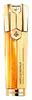
This smoothing serum is formulated around Gluconolactone and Royal Jelly to refine skin texture and soften the look of wrinkles.
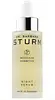
This hydrating serum is formulated around Sodium Hyaluronate to hydrate skin and strengthen the skin barrier.


What's inside
What's inside
 Key Ingredients
Benefits
Concerns
Ingredients Side-by-side
Water
Skin ConditioningGlycerin
Humectant


Propanediol
Solvent
Alcohol
Antimicrobial




Gluconolactone
Skin Conditioning






Butylene Glycol
Humectant
Pentylene Glycol
Skin Conditioning
Caprylic/Capric Triglyceride
Masking
Squalane
Emollient
Mel
EmollientDiglycerin
Humectant
Mel Extract
MoisturisingRoyal Jelly

Sodium Hydroxide
BufferingPolyacrylate Crosspolymer-6
Emulsion StabilisingLauroyl Lysine
Skin Conditioning
Coco-Caprylate/Caprate
Emollient
Glyceryl Stearate
Emollient
Limnanthes Alba Seed Oil
Skin Conditioning
Avena Sativa Kernel Extract
Abrasive


Parfum
Masking

Glycolic Acid
Buffering

Sorbitol
Humectant
Chlorphenesin
Antimicrobial
Carbomer
Emulsion StabilisingCitric Acid
Buffering
PPG-26-Buteth-26
Skin ConditioningLactic Acid
Buffering
Sodium Magnesium Silicate
Dimethicone
Emollient
Xanthan Gum
EmulsifyingSodium Hyaluronate
Humectant
Sodium Stearoyl Glutamate
CleansingPEG-40 Hydrogenated Castor Oil
Emulsifying
Algin
Masking
Sodium Benzoate
Masking
Sodium Citrate
BufferingHydrolyzed Soy Flour
Skin ConditioningMalva Sylvestris Extract
AstringentAlbizia Julibrissin Bark Extract
MaskingTrisodium Ethylenediamine Disuccinate
Hydroxyacetophenone
Antioxidant
Adenosine
Skin Conditioning
Rosmarinus Officinalis Leaf Extract
AntimicrobialPolyvinyl Alcohol
Biosaccharide Gum-2
Skin ConditioningCaprylyl Glycol
Emollient
Caramel
Cosmetic ColorantCellulose Gum
Emulsion StabilisingPotassium Sorbate
Preservative
CI 77492
Cosmetic ColorantLactobacillus Ferment Lysate
Skin Conditioning
Yeast Ferment Extract
Skin ConditioningSilica
Abrasive
CI 77491
Cosmetic ColorantWater, Glycerin, Propanediol, Alcohol, Gluconolactone, Butylene Glycol, Pentylene Glycol, Caprylic/Capric Triglyceride, Squalane, Mel, Diglycerin, Mel Extract, Royal Jelly, Sodium Hydroxide, Polyacrylate Crosspolymer-6, Lauroyl Lysine, Coco-Caprylate/Caprate, Glyceryl Stearate, Limnanthes Alba Seed Oil, Avena Sativa Kernel Extract, Parfum, Glycolic Acid, Sorbitol, Chlorphenesin, Carbomer, Citric Acid, PPG-26-Buteth-26, Lactic Acid, Sodium Magnesium Silicate, Dimethicone, Xanthan Gum, Sodium Hyaluronate, Sodium Stearoyl Glutamate, PEG-40 Hydrogenated Castor Oil, Algin, Sodium Benzoate, Sodium Citrate, Hydrolyzed Soy Flour, Malva Sylvestris Extract, Albizia Julibrissin Bark Extract, Trisodium Ethylenediamine Disuccinate, Hydroxyacetophenone, Adenosine, Rosmarinus Officinalis Leaf Extract, Polyvinyl Alcohol, Biosaccharide Gum-2, Caprylyl Glycol, Caramel, Cellulose Gum, Potassium Sorbate, CI 77492, Lactobacillus Ferment Lysate, Yeast Ferment Extract, Silica, CI 77491
Water
Skin ConditioningButylene Glycol
Humectant
Lactobacillus/Portulaca Oleracea Ferment Extract
Antioxidant
Alcohol
Antimicrobial
Sodium Hyaluronate
Humectant
Glycerin
Humectant
Magnesium Carboxymethyl Beta-Glucan
Skin ConditioningOnopordum Acanthium Flower/Leaf/Stem Extract
Skin ConditioningCassia Alata Leaf Extract
AstringentLeuconostoc/Radish Root Ferment Filtrate
Antimicrobial
Phragmites Karka Extract
Skin ConditioningPoria Cocos Extract
Skin ConditioningPlankton Extract
Skin ConditioningXanthan Gum
EmulsifyingEthylhexylglycerin
Skin ConditioningPhenoxyethanol
Preservative
Sodium Benzoate
Masking
Water, Butylene Glycol, Lactobacillus/Portulaca Oleracea Ferment Extract, Alcohol, Sodium Hyaluronate, Glycerin, Magnesium Carboxymethyl Beta-Glucan, Onopordum Acanthium Flower/Leaf/Stem Extract, Cassia Alata Leaf Extract, Leuconostoc/Radish Root Ferment Filtrate, Phragmites Karka Extract, Poria Cocos Extract, Plankton Extract, Xanthan Gum, Ethylhexylglycerin, Phenoxyethanol, Sodium Benzoate
Ingredients Explained
These ingredients are found in both products.
Ingredients higher up in an ingredient list are typically present in a larger amount.
This ingredient is also called ethanol or ethyl alcohol. It is denatured, meaning made undrinkable for cosmetic use.
In formulas, it:
Is it bad for your skin?
The answer comes down to concentration. Patch and wash studies have found highly concentrated alcohol-based hand rubs (60-100%) cause less barrier disruption than washing with a basic detergent like SLS. The only measurable effect in these studies was a temporary dip in skin hydration.
Concentrations below 12-15% in leave-on cosmetics is generally well-tolerated. Concentrations above start to see increased transepidermal water loss (TEWL) and reduced hydration.
In concentrations about 58%, it creates temporary channels in your skin's lipid layers to become more permeable and allow other ingredients to slip through easily.
This ingredient can be up to 80% of the formula in alcohol-based perfumes.
Overall, this ingredient is probably harmless if found lower down an ingredients list but worth side-eyeing if it's high up (especially if your barrier is already struggling).
Alcohol can worsen dry skin, eczema, and oily skin, especially at higher concentrations. This is because it can increase transepidermal water loss and decrease hydration to disrupt the skin barrier.
According to the National Rosacea Society based in the US, you should be mindful of products with these alcohols in the top half of ingredients.
True allergic contact dermatitis to ethanol is uncommon, but be sure to patch test if you have dry or sensitive skin.
Learn more about AlcoholButylene Glycol (or BG) is used within cosmetic products for a few different reasons:
Overall, Butylene Glycol is a safe and well-rounded ingredient that works well with other ingredients.
Though this ingredient works well with most skin types, some people with sensitive skin may experience a reaction such as allergic rashes, closed comedones, or itchiness.
Learn more about Butylene GlycolGlycerin (or glycerol) is a compound naturally found in your skin. It's a powerhouse humectant that pulls water into the stratum corneum.
Topically, glycerin does several things at once:
Your skin makes glycerin on its own (mostly from sebaceous oil breakdown) and shuttles it to your outermost layer of skin, or your epidermis, via aquaporin-3.
Aquaporin-3 is a transporter that is essential for normal skin hydration, elasticity, and repair. Interestingly, mice lacking in AQP3 have dry and less elastic skin that can be fully corrected with glycerin.
This ingredient is non-irritating, plays well with almost every ingredient, and works across all skin types. Typical use is anywhere between 3-10% but can go up to 79% in some leave-on products.
Just know very high concentrations (>40%) can feel tacky in low humidity.
Glycerin is the name for this ingredient in American English. British English uses Glycerol/Glycerine.
Learn more about GlycerinSodium Benzoate is a preservative. It's used in both cosmetic and food products to inhibit the growth of mold and bacteria. It is typically produced synthetically.
Both the US FDA and EU Health Committee have approved the use of sodium benzoate. In the US, levels of 0.1% (of the total product) are allowed.
Sodium benzoate works as a preservative by inhibiting the growth of bacteria inside of cells. It prevents the cell from fermenting a type of sugar using an enzyme called phosphofructokinase.
It is the salt of benzoic acid. Foods containing sodium benzoate include soda, salad dressings, condiments, fruit juices, wines, and snack foods.
Studies for using ascorbic acid and sodium benzoate in cosmetics are lacking, especially in skincare routines with multiple steps.
We always recommend speaking with a professional, such as a dermatologist, if you have any concerns.
Learn more about Sodium BenzoateSodium Hyaluronate is the salt form of hyaluronic acid. It is a long sugar chain that is naturally found in your skin, joints, and connective tissue that maintains hydration and elasticity.
In skincare, it works as a humectant. It pulls water from the environment and deeper layers of skin and binds it to the surface.
Interestingly, the size of the molecule affects its behavior:
Some clinical evidence links low molecular weight versions to improved wrinkle depth, elasticity, anti-inflammatory effects, and barrier repair.
Many serums use a blend of both weights so you can get surface hydration plus longer-lasting and deeper effects.
You'll typically see concentrations between 0.1-2% for this ingredient.
Learn more about Sodium HyaluronateWater. It's the most common cosmetic ingredient of all. You'll usually see it at the top of ingredient lists, meaning that it makes up the largest part of the product.
So why is it so popular? Water most often acts as a solvent - this means that it helps dissolve other ingredients into the formulation.
You'll also recognize water as that liquid we all need to stay alive. If you see this, drink a glass of water. Remember to stay hydrated!
Learn more about WaterXanthan gum is used as a stabilizer and thickener within cosmetic products. It helps give products a sticky, thick feeling - preventing them from being too runny.
On the technical side of things, xanthan gum is a polysaccharide - a combination consisting of multiple sugar molecules bonded together.
Xanthan gum is a pretty common and great ingredient. It is a natural, non-toxic, non-irritating ingredient that is also commonly used in food products.
Learn more about Xanthan Gum

