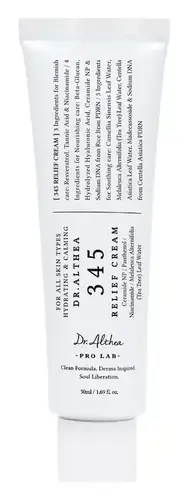
Grown Alchemist Age-Repair Moisturiser Phyto-Peptide, White Tea Extract Versus Grown Alchemist Regenerating Face Moisturizer
This moisturizer is formulated around Camellia Sinensis Extract to calm irritation and reduce redness.
This moisturizer is formulated around Vitis Vinifera Seed Oil and Prunus Amygdalus Dulcis Oil to hydrate skin.

What's inside
What's inside
 Key Ingredients
Benefits
Concerns
Ingredients Side-by-side
Water
Skin ConditioningVitis Vinifera Seed Oil
Emollient




Camellia Oleifera Seed Oil
Skin Conditioning
Glycerin
Humectant

Cetearyl Olivate
Cetyl Alcohol
Emollient

Sorbitan Olivate
Emulsifying
Khaya Senegalensis Bark Extract
Skin ProtectingAloe Barbadensis Leaf Extract
Emollient
Oligopeptide-1
Skin Conditioning



Maltodextrin
Absorbent
Sodium Hyaluronate
Humectant
Sodium Phytate
ChelatingVaccinium Macrocarpon Fruit Extract
AstringentCamellia Sinensis Extract
Antioxidant

Xanthan Gum
EmulsifyingCassia Angustifolia Seed Polysaccharide
Skin ConditioningHydrolyzed Wheat Protein
Skin ConditioningTocopherol
Antioxidant

Benzyl Alcohol
Perfuming






Dehydroacetic Acid
Preservative
Lavandula Angustifolia Oil
Masking
Carum Petroselinum Seed Oil
Masking
Geraniol
Perfuming
Limonene
Perfuming
Linalool
Perfuming
Water, Vitis Vinifera Seed Oil, Camellia Oleifera Seed Oil, Glycerin, Cetearyl Olivate, Cetyl Alcohol, Sorbitan Olivate, Khaya Senegalensis Bark Extract, Aloe Barbadensis Leaf Extract, Oligopeptide-1, Maltodextrin, Sodium Hyaluronate, Sodium Phytate, Vaccinium Macrocarpon Fruit Extract, Camellia Sinensis Extract, Xanthan Gum, Cassia Angustifolia Seed Polysaccharide, Hydrolyzed Wheat Protein, Tocopherol, Benzyl Alcohol, Dehydroacetic Acid, Lavandula Angustifolia Oil, Carum Petroselinum Seed Oil, Geraniol, Limonene, Linalool
Water
Skin ConditioningVitis Vinifera Seed Oil
Emollient
Cetearyl Alcohol
Emollient

Glyceryl Stearate Se
Emulsifying
Prunus Amygdalus Dulcis Oil
Skin Conditioning
Glycerin
Humectant
Cetearyl Olivate
Sorbitan Olivate
Emulsifying
Butyrospermum Parkii Butter
Skin Conditioning
Butylene Glycol
Humectant
Levulinic Acid
Perfuming
Sodium Benzoate
Masking
Sodium Levulinate
Skin ConditioningSodium Phytate
ChelatingXanthan Gum
EmulsifyingPotassium Sorbate
Preservative
Aloe Barbadensis Leaf Juice
Skin Conditioning
Cassia Angustifolia Seed Polysaccharide
Skin ConditioningTocopherol
Antioxidant
Pelargonium Graveolens Leaf Oil
Maltodextrin
Absorbent
Sodium Hydroxide
BufferingCamellia Sinensis Leaf Extract
Antimicrobial
Nephelium Lappaceum Peel Extract
Skin ConditioningGlycine Soja Oil
Emollient
Piper Nigrum Fruit Oil
Masking
Leuconostoc/Radish Root Ferment Filtrate
Antimicrobial
Rosa Centifolia Flower Extract
Astringent
Salvia Sclarea Oil
Masking
Arginine/Lysine Polypeptide
Skin Conditioning
Citronellol
Perfuming
Geraniol
Perfuming
Linalool
Perfuming
Limonene
Perfuming
Citral
Perfuming
Water, Vitis Vinifera Seed Oil, Cetearyl Alcohol, Glyceryl Stearate Se, Prunus Amygdalus Dulcis Oil, Glycerin, Cetearyl Olivate, Sorbitan Olivate, Butyrospermum Parkii Butter, Butylene Glycol, Levulinic Acid, Sodium Benzoate, Sodium Levulinate, Sodium Phytate, Xanthan Gum, Potassium Sorbate, Aloe Barbadensis Leaf Juice, Cassia Angustifolia Seed Polysaccharide, Tocopherol, Pelargonium Graveolens Leaf Oil, Maltodextrin, Sodium Hydroxide, Camellia Sinensis Leaf Extract, Nephelium Lappaceum Peel Extract, Glycine Soja Oil, Piper Nigrum Fruit Oil, Leuconostoc/Radish Root Ferment Filtrate, Rosa Centifolia Flower Extract, Salvia Sclarea Oil, Arginine/Lysine Polypeptide, Citronellol, Geraniol, Linalool, Limonene, Citral
Ingredients Explained
These ingredients are found in both products.
Ingredients higher up in an ingredient list are typically present in a larger amount.
We don't have a description for Cassia Angustifolia Seed Polysaccharide yet.
Cetearyl Olivate is a plant-derived emulsifier and texture enhancer. It helps keep the oil and water phases from separating so your formulas stay stable.
You'll likely see it combined with Sorbitan Olivate (together sold as the trade name Olivem 1000). This combination generates a liquid crystal structure that closely resemble the lipid organization of the stratum corneum.
These "skin-like" liquid crystals improve skin barrier integrity and promote the delivery of actives into the skin.
This ingredient is well-tolerated and has no significant sensitization data.
Because it is derived from the fatty acids in olive oil, this ingredient may not be fungal acne safe.
Learn more about Cetearyl OlivateGeraniol is used to add fragrance/parfum to a product. It is the main component of citronellol. It is a monoterpenoid and an alcohol.
Monoterpenes are naturally found in many parts of different plants.
Geraniol can be found in many essential oils including Rose Oil and Citronella Oil. The scent of Geraniol is often described as "rose-like". Many foods also contain Geraniol for fruit flavoring.
Geraniol can irritate the skin when exposed to air. However, irritation depends on the ability of geraniol to penetrate into the skin. In general, geraniol is not able to penetrate skin easily.
Geraniol is colorless and has low water-solubility. However, it is soluble in common organic solvents.
Like citronellol, it is a natural insect repellent.
2,6-Octadien-1-ol, 3,7-dimethyl-, (2E)-
Learn more about GeraniolGlycerin (or glycerol) is a compound naturally found in your skin. It's a powerhouse humectant that pulls water into the stratum corneum.
Topically, glycerin does several things at once:
Your skin makes glycerin on its own (mostly from sebaceous oil breakdown) and shuttles it to your outermost layer of skin, or your epidermis, via aquaporin-3.
Aquaporin-3 is a transporter that is essential for normal skin hydration, elasticity, and repair. Interestingly, mice lacking in AQP3 have dry and less elastic skin that can be fully corrected with glycerin.
This ingredient is non-irritating, plays well with almost every ingredient, and works across all skin types. Typical use is anywhere between 3-10% but can go up to 79% in some leave-on products.
Just know very high concentrations (>40%) can feel tacky in low humidity.
Glycerin is the name for this ingredient in American English. British English uses Glycerol/Glycerine.
Learn more about GlycerinLimonene is the compound that gives citrus peel its smell.
In skincare, it shows up as a standalone fragrance ingredient or as a natural compound of citrus and other essential oils.
You'll typically see this ingredient used in very small amounts; anything above 0.001% in a leave-on product or 0.01% in a rinse-off has to be named on the label in the EU. The citrus oils that carry it sit around 0.5-1% in a finished formula.
Fresh limonene is a weak allergen; the real issue is that it slowly reacts with air and then breaks down from oxidation to create hydroperoxides (which are strong sensitizers). This is why suppliers are required to keep the peroxide value below 20 mmol.
Positive reactions in people being investigated for eczema vary:
It's worth skipping if you have a known fragrance allergy or a compromised barrier, but the risk is low for most people.
Older or long-opened products are also more likely to bother you than fresh ones due to oxidation.
Learn more about LimoneneLinalool is a small, naturally occurring scent molecule found in plants like lavender, coriander, bergamot, and more.
It is one of the two most-used fragrance ingredients in cosmetics and added purely for smell. Since it's not used for a skin benefit, there's no "effective dose". Concentration depends on the fragrance load of the product.
The EU requires it to be named on the label above 0.001% in leave-on and 0.01% in rinse-off products.
Fresh linalool is a weak sensitizer but air exposure turns some of it into hydroperoxides, which are strong sensitizers. Those oxidation products are the actual allergy concern.
Patch-test clinics see positive reactions to linalool hydroperoxides in about 4% to 12% of dermatitis patients depending on country and test concentration.
Resassuringly, one analytical study found hydroperoxide levels in real fragranced products to be orders of magnitude below what induced sensitization in animal studies with no evidence of oxidation building up during normal storage.
The practical takeaway is that linalool is fine for most people but worth avoiding if you have a confirmed fragrance contact allergy or a badly compromised barrier.
Products stored a long time after opening are also the high-risk scenario since that is when oxidation happens.
The scent of linalool is described as floral, spicy tropical, and citrus-like.
Learn more about LinaloolMaltodextrin is a plant-derived carbohydrate made by breaking down starch (usually from corn, potato, or rice). In cosmetic formulas, it's a multitasking absorbent, emulsion stabilizer, and skin conditioner.
This ingredient is mostly used to stabilize emulsions and improve the powdery, non-greasy feel of products (like dry shampoos).
Safety-wise, this ingredient is pretty solid; it's even recognized as a food additive. Both animal and clinical studies found no adverse effects at the levels used in cosmetics.
Industry data shows this ingredient is used up to 45.7% in spray products and up to 33% in powder products.
Learn more about MaltodextrinSodium Phytate is the sodium salt of Phytic acid, a compound that plants store phosphorus in. It's the plant-derived alternative to ingredients like Disodium EDTA.
In skincare, this ingredient is a chelator that grabs onto trace metal ions like iron and copper that sneak into formulas through water/raw materials.
Those metals speed up oxidation so binding them keeps oils, fragrance, and actives from going off, stops color changes, and helps the preservative system work harder.
Survey data shows usage levels range from 0.0099%-0.5% in leave-on products, 0.025%-0.3% in rinse-off, and up to 0.05% in eye-area products. Suppliers typically recommend a range between 0.05-0.5%.
Learn more about Sodium PhytateSorbitan Olivate is created from the fatty acids in olive oil and sorbitol.
This ingredient is an oil in water emulsifier. It helps stabilize a product by preventing oils and waters from separating. Sorbitan Olivate also helps hydrate the skin.
This ingredient is also known as part of Olivem 1000, with Cetearyl Olivate being the other part.
According to a manufacturer, this ingredient helps preserve the natural microbiome of skin. Having a healthy microbiome helps keep our skin healthy and protects against harmful bacteria.
Please note, having a healthy microbiome is different from fungal acne; a healthy microbiome includes small amounts of yeast that normally live on your skin without causing problems.
Fungal acne happens when one type of yeast (Malassezia) grows out of control. This is usually because it's feeding on certain oils or fatty acids. Due to the olive oil base, this ingredient may not be fungal acne safe.
Learn more about Sorbitan OlivateTocopherol is a fat-soluble antioxidant known as Vitamin E.
You'll find this ingredient in the vast majority of skincare (for good reason). It works to neutralize free radicals, or unstable molecules generated by UV exposure, pollution, and other environmental stressors, before they can cause oxidative damage to your skin cells.
Topically applied tocopherol has been shown to protect against UV damage by ramping up the skin's own natural defense enzymes.
It also acts as a skin conditioning agent; some studies show that regular topical use can improve the skin's water-binding capacity over 2-4 weeks.
This ingredient is especially loved for being a team player. When combined with Vitamin C, the photoprotective effect of both ingredients roughly doubles and the combo also helps reduce UV-induced DNA damage.
This ingredient has some brightening potential but it's more of a prevention ingredient than spot-fader. Cell studies show it can slow down melanin production but it's worth noting that it's not the most powerful brightener out there.
In formulations, it also serves as a stabilizer that helps protect other oxidation-prone ingredients from degrading.
Concentrations usually range from 0.1-1% in most leave-on products.
Learn more about TocopherolVitis Vinifera Seed Oil comes from the grape vine. Grape seeds are a byproduct of creating grape juice or wine.
The components of grape seeds have many skin benefits. Research has found it to be antimicrobial and anti-inflammatory. It also contains many potent antioxidants such as Vitamin E , Vitamin C, proanthocyanidins, polyphenols, flavonoids, and anthocyanins. Proanthocyanidin has been shown to help even out skin tone.
Antioxidants help fight free-radical molecules. Free-radical molecules are capable of damaging our cells and other genetic material. Antioxidants help stabilize free-radicals by donating extra electrons. Grape seed extract may help reduce the signs of aging.
The antimicrobial properties of grape seed may help treat acne. However, more research is needed to support this claim.
Grape seed has also been found to help absorb UV rays. Grape seed extract should not replace your sunscreen.
The fatty acids of grape seed oil give it emollient properties. Emollients help soothe and soften your skin by creating a film. This film traps moisture within, keeping your skin hydrated.
Learn more about Vitis Vinifera Seed OilWater. It's the most common cosmetic ingredient of all. You'll usually see it at the top of ingredient lists, meaning that it makes up the largest part of the product.
So why is it so popular? Water most often acts as a solvent - this means that it helps dissolve other ingredients into the formulation.
You'll also recognize water as that liquid we all need to stay alive. If you see this, drink a glass of water. Remember to stay hydrated!
Learn more about WaterXanthan gum is used as a stabilizer and thickener within cosmetic products. It helps give products a sticky, thick feeling - preventing them from being too runny.
On the technical side of things, xanthan gum is a polysaccharide - a combination consisting of multiple sugar molecules bonded together.
Xanthan gum is a pretty common and great ingredient. It is a natural, non-toxic, non-irritating ingredient that is also commonly used in food products.
Learn more about Xanthan Gum