Grounded Sage Blueberry and Cornflower Hydra Well Night Cream Versus First Aid Beauty Ultra Repair Hydra-Firm Night Cream
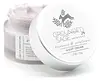
This calming night moisturizer is formulated around Aloe Barbadensis Leaf Juice and Centaurea Cyanus Flower Water to calm redness and hydrate skin.
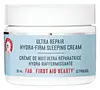
This anti-aging night moisturizer is formulated around Butyrospermum Parkii Butter and Niacinamide to soften the look of wrinkles and hydrate skin.

What's inside
What's inside
 Key Ingredients
Benefits
Concerns
Ingredients Side-by-side
Aloe Barbadensis Leaf Juice
Skin Conditioning


Vitis Vinifera Seed Oil
Emollient


Stearic Acid
Cleansing
Emulsifying Wax Nf
Glycerin
Humectant

Persea Gratissima Oil
Skin Conditioning

Helianthus Annuus Seed Oil
Emollient
Vaccinium Corymbosum Fruit
Skin ConditioningCentaurea Cyanus Flower Water
Skin Conditioning
Niacinamide
Smoothing







Calendula Officinalis Flower Extract
Masking
Hydrolyzed Oats
Skin ConditioningTamarindus Indica Seed Extract
EmollientCucumis Sativus Fruit Extract
Emollient
Vitis Vinifera Fruit Extract
Skin ConditioningFucus Vesiculosus
Skin Conditioning
Saccharomyces/Sea Salt Ferment

Chamomilla Recutita Flower Extract
Masking
Camellia Sinensis Leaf Extract
Antimicrobial
Pisum Sativum Peptide
Skin Conditioning
Ganoderma Lucidum Extract
Skin Protecting
Lentinus Edodes Extract
Skin ConditioningAlgae Extract
Emollient
Tocopherol
Antioxidant
Lactobacillus/Prunus Mume Fruit/Leaf/Root Extract Ferment Filtrate
Skin ConditioningCaprylyl Glycol
Emollient
Aloe Barbadensis Leaf Juice, Vitis Vinifera Seed Oil, Stearic Acid, Emulsifying Wax Nf, Glycerin, Persea Gratissima Oil, Helianthus Annuus Seed Oil, Vaccinium Corymbosum Fruit, Centaurea Cyanus Flower Water, Niacinamide, Calendula Officinalis Flower Extract, Hydrolyzed Oats, Tamarindus Indica Seed Extract, Cucumis Sativus Fruit Extract, Vitis Vinifera Fruit Extract, Fucus Vesiculosus, Saccharomyces/Sea Salt Ferment, Chamomilla Recutita Flower Extract, Camellia Sinensis Leaf Extract, Pisum Sativum Peptide, Ganoderma Lucidum Extract, Lentinus Edodes Extract, Algae Extract, Tocopherol, Lactobacillus/Prunus Mume Fruit/Leaf/Root Extract Ferment Filtrate, Caprylyl Glycol
Water
Skin ConditioningGlycerin
Humectant
Caprylic/Capric Triglyceride
Masking
Butyrospermum Parkii Butter
Skin Conditioning
Dimethicone
Emollient
Glyceryl Stearate
Emollient
C10-18 Triglycerides
Emollient
Ethylhexyl Palmitate
Emollient
Lactobacillus Ferment
Skin Conditioning
Jojoba Esters
Emollient
Cetyl Alcohol
Emollient
Niacinamide
Smoothing
Spilanthes Acmella Flower Extract
Skin ConditioningHelianthus Annuus Seed Cera
Emollient
Acacia Decurrens Flower Cera
Emollient
Algae Extract
Emollient
Palmitoyl Tripeptide-38
Skin Conditioning
Sodium Hyaluronate
Humectant
Avena Sativa Kernel Flour
Abrasive
Palmitoyl Hexapeptide-12
Skin Conditioning
Palmitoyl Tetrapeptide-7
Skin Conditioning
Camellia Sinensis Leaf Extract
Antimicrobial
Chrysanthemum Parthenium Extract
Skin ConditioningGlycyrrhiza Glabra Root Extract
Bleaching
Hydroxypropyl Cyclodextrin
MaskingSodium Lactate
Buffering
Butylene Glycol
Humectant
PEG-75 Stearate
Surfactant
Acrylates/C10-30 Alkyl Acrylate Crosspolymer
Emulsion StabilisingCeteth-20
CleansingSteareth-20
CleansingPolyglycerin-3
Humectant
Carbomer
Emulsion StabilisingPolysorbate 20
Emulsifying
Phenoxyethanol
Preservative
Xanthan Gum
EmulsifyingTetrasodium EDTA
ChelatingSodium Hydroxide
BufferingWater, Glycerin, Caprylic/Capric Triglyceride, Butyrospermum Parkii Butter, Dimethicone, Glyceryl Stearate, C10-18 Triglycerides, Ethylhexyl Palmitate, Lactobacillus Ferment, Jojoba Esters, Cetyl Alcohol, Niacinamide, Spilanthes Acmella Flower Extract, Helianthus Annuus Seed Cera, Acacia Decurrens Flower Cera, Algae Extract, Palmitoyl Tripeptide-38, Sodium Hyaluronate, Avena Sativa Kernel Flour, Palmitoyl Hexapeptide-12, Palmitoyl Tetrapeptide-7, Camellia Sinensis Leaf Extract, Chrysanthemum Parthenium Extract, Glycyrrhiza Glabra Root Extract, Hydroxypropyl Cyclodextrin, Sodium Lactate, Butylene Glycol, PEG-75 Stearate, Acrylates/C10-30 Alkyl Acrylate Crosspolymer, Ceteth-20, Steareth-20, Polyglycerin-3, Carbomer, Polysorbate 20, Phenoxyethanol, Xanthan Gum, Tetrasodium EDTA, Sodium Hydroxide
Reviews
Ingredients Explained
These ingredients are found in both products.
Ingredients higher up in an ingredient list are typically present in a larger amount.
Algae Extract is one of the vaguest names on any label because it just means "extract of some alga" (and there are thousands of species and dozens of ways to extract them). This just means two products listing it can contain completely different things.
This ingredient name was actually officially retired in the INCI dictionary in 2015 and brands were pushed toward species-specific names instead (like Laminaria Digitata Extract or Chondrus Crispus Extract).
Generally, it is used to hold water and soften skin in a formula. Algae are rich in polysaccharides, pigments, and amino-acids that act as humectants, emollients, and skin-conditioning agents.
It isn't on standard cosmetic-patch test panels and "seaweed dermatitis" is actually an acute irritant reaction to algal toxins in seawater and not the cosmetic ingredient.
You'll see algae listed as a 5/5 on a lot of pore-clogging charts and that number doesn't come from anywhere; it's not in the original rabbit-ear studies that most comedogenic ratings trace back to.
The reasoning behind the reputation is that seaweed is high in iodine and iodine can trigger acne-like breakouts when eaten. This traces back to a 1976 letter in Archives of Dermatology describing two women whose breakouts cleared after they stopped taking high-dose kelp supplements orally.
And the reaction of these two women wasn't clogged pores at all: it was an iodine-triggered pustular rash. Later research found normal dietary iodine doesn't meaningfully affect acne either and nobody has shown topical algae delivers enough iodine to matter.
What we do have is dozens of brown and red algae ingredients found to be non-irritating and non-sensitizing, and a handful of studies that found algae compounds may actually help acne.
However, plenty of people do report breaking out from algae-containing products. Skin is individual and it's worth avoiding if yours has reacted to algae before.
Learn more about Algae ExtractCamellia Sinensis Leaf Extract (tea extract) is one of the most well-researched plant extracts in skincare with an impressive resume.
Black tea, green tea, and oolong tea are all harvested from the Camellia Sinensis plant.
Studies show green tea extract and its catechins (like epigallocatechin gallate (EGCG)) help your skin cells product energy more efficiently and reducing the number of free-radicals that can damage your skin from the inside.
In lab-grown skin models, this translated to younger, healthier, and stronger skin.
There's also good sun protection data; researchers saw less DNA damage and redness on human skin when green tea was applied before UVB exposure. And the more they applied, the better the protection.
Needless to say, this ingredient shouldn't replace your sunscreen. But it is a great supportive ingredient that you can already find in many sunscreens and antioxidant serums.
A 2009 study found a 2% green tea lotion was effective for mild-to-moderate acne thanks to its anti-inflammatory and mild antimicrobial activity.
The quality of the extract matters a lot here:
Good extracts contain 50-90% catechins while lower quality ones are mostly there for marketing. We recommend reaching out to the brand if you have questions about the quality or source of their ingredients.
Human Repeated Insult Patch Testing showed no irritation or sensitization at use concentrations (0.86% in leave-on products and up to 30% as leaf water).
Learn more about Camellia Sinensis Leaf ExtractGlycerin (or glycerol) is a compound naturally found in your skin. It's a powerhouse humectant that pulls water into the stratum corneum.
Topically, glycerin does several things at once:
Your skin makes glycerin on its own (mostly from sebaceous oil breakdown) and shuttles it to your outermost layer of skin, or your epidermis, via aquaporin-3.
Aquaporin-3 is a transporter that is essential for normal skin hydration, elasticity, and repair. Interestingly, mice lacking in AQP3 have dry and less elastic skin that can be fully corrected with glycerin.
This ingredient is non-irritating, plays well with almost every ingredient, and works across all skin types. Typical use is anywhere between 3-10% but can go up to 79% in some leave-on products.
Just know very high concentrations (>40%) can feel tacky in low humidity.
Glycerin is the name for this ingredient in American English. British English uses Glycerol/Glycerine.
Learn more about GlycerinNiacinamide is a multitasking form of vitamin B3 that strengthens the skin barrier, reduces pores and dark spots, regulates oil, and improves signs of aging.
And the best part? It's gentle and well-tolerated by most skin types, including sensitive and reactive skin.
You might have heard of "niacin flush", or the reddening of skin that causes itchiness. Niacinamide has not been found to cause this.
In very rare cases, some individuals may not be able to tolerate niacinamide at all or experience an allergic reaction to it.
If you are experiencing flaking, irritation, and dryness with this ingredient, be sure to double check all your products as this ingredient can be found in all categories of skincare.
When incorporating niacinamide into your routine, look out for concentration amounts. Typically, 5% niacinamide provides benefits such as fading dark spots. However, if you have sensitive skin, it is better to begin with a smaller concentration.
When you apply niacinamide to your skin, your body converts it into nicotinamide adenine dinucleotide (NAD). NAD is an essential coenzyme that is already found in your cells as "fuel" and powers countless biological processes.
In your skin, NAD helps repair cell damage, produce new healthy cells, support collagen production, strengthen the skin barrier, and fight environmental stressors (like UV and pollution).
Our natural NAD levels start to decline with age, leading to slower skin repair, visible aging, and a weaker skin barrier. By providing your skin niacinamide, you're recharging your skin's NAD levels. This leads to stronger, healthier, and younger looking skin.
Another name for vitamin B3 is nicotinamide. This vitamin is water-soluble and our bodies don't store it. We obtain Vitamin B3 from either food or skincare. Meat, fish, wheat, yeast, and leafy greens contain vitamin B3.
The type of niacinamide used in skincare is synthetically created.
Learn more about Niacinamide

