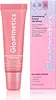
This anti-aging lip moisturizer is formulated around Butyrospermum Parkii Butter and Palmitoyl Tripeptide-38 to soften the look of wrinkles and hydrate lips.
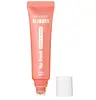
This barrier-repair lip moisturizer is formulated around Squalane and Butyrospermum Parkii Butter to strengthen the lip barrier and hydrate lips.


What's inside
What's inside
 Key Ingredients
Benefits
Concerns
Ingredients Side-by-side
Polyisobutene
Ethylhexyl Palmitate
Emollient




Hydrogenated Polyisobutene
EmollientMicrocrystalline Wax
Emulsion StabilisingDiisostearyl Malate
EmollientTocopheryl Acetate
Antioxidant


Aroma


Butyrospermum Parkii Butter
Skin Conditioning

Olea Europaea Fruit Oil
Masking
Cetearyl Ethylhexanoate
Emollient
Sorbitan Isostearate
Emulsifying
Tocopherol
Antioxidant


Portulaca Pilosa Extract
Skin ConditioningSucrose Cocoate
Emulsifying

Palmitoyl Tripeptide-38
Skin Conditioning

Linalool
Perfuming

Benzyl Benzoate
Antimicrobial
Citrus Aurantium Peel Oil
Vanillin
Masking
Polyisobutene, Ethylhexyl Palmitate, Hydrogenated Polyisobutene, Microcrystalline Wax, Diisostearyl Malate, Tocopheryl Acetate, Aroma, Butyrospermum Parkii Butter, Olea Europaea Fruit Oil, Cetearyl Ethylhexanoate, Sorbitan Isostearate, Tocopherol, Portulaca Pilosa Extract, Sucrose Cocoate, Palmitoyl Tripeptide-38, Linalool, Benzyl Benzoate, Citrus Aurantium Peel Oil, Vanillin
Diisostearyl Malate
EmollientPolybutene
Bis-Behenyl/Isostearyl/Phytosteryl Dimer Dilinoleyl Dimer Dilinoleate
EmollientHydrogenated Polyisobutene
EmollientSqualane
Emollient
Bis-Diglyceryl Polyacyladipate-2
Emollient
Polyethylene
Abrasive
Microcrystalline Wax
Emulsion StabilisingMica
Cosmetic ColorantSynthetic Fluorphlogopite
Phenyl Trimethicone
Skin Conditioning
Simmondsia Chinensis Butter
Skin Conditioning
Butyrospermum Parkii Butter
Skin Conditioning
Diisopropyl Dimer Dilinoleate
Emollient
Octyldodecyl Neopentanoate
EmollientSilica Silylate
Emollient
Cetearyl Ethylhexanoate
Emollient
Citrus Aurantium Amara Flower Extract
RefreshingDisteardimonium Hectorite
StabilisingGlycine Soja Oil
Emollient
Jasminum Officinale Flower Extract
Masking
Lavandula Angustifolia Flower Extract
Cleansing
Olus Oil
Emollient
Paeonia Officinalis Flower Extract
TonicPalmitoyl Tripeptide-38
Skin Conditioning
Portulaca Pilosa Extract
Skin ConditioningRose Flower Oil/Extract
Sambucus Nigra Flower Extract
RefreshingSorbitan Isostearate
Emulsifying
Sucrose Cocoate
Emulsifying
Tocopheryl Acetate
Antioxidant
Triethyl Citrate
Masking
Parfum
Masking
Camphor
Masking
Citronellol
Perfuming
Eucalyptus Globulus Oil
Lavandula Oil/Extract
Limonene
Perfuming
Linalool
Perfuming
Linalyl Acetate
Masking
Pinene
Masking
Vanillin
Masking
Benzoic Acid
Masking
Alcohol
Antimicrobial
Water
Skin ConditioningTocopherol
Antioxidant
CI 77499
Cosmetic ColorantCI 17200
Cosmetic ColorantCI 15850
Cosmetic ColorantCI 77891
Cosmetic ColorantDiisostearyl Malate, Polybutene, Bis-Behenyl/Isostearyl/Phytosteryl Dimer Dilinoleyl Dimer Dilinoleate, Hydrogenated Polyisobutene, Squalane, Bis-Diglyceryl Polyacyladipate-2, Polyethylene, Microcrystalline Wax, Mica, Synthetic Fluorphlogopite, Phenyl Trimethicone, Simmondsia Chinensis Butter, Butyrospermum Parkii Butter, Diisopropyl Dimer Dilinoleate, Octyldodecyl Neopentanoate, Silica Silylate, Cetearyl Ethylhexanoate, Citrus Aurantium Amara Flower Extract, Disteardimonium Hectorite, Glycine Soja Oil, Jasminum Officinale Flower Extract, Lavandula Angustifolia Flower Extract, Olus Oil, Paeonia Officinalis Flower Extract, Palmitoyl Tripeptide-38, Portulaca Pilosa Extract, Rose Flower Oil/Extract, Sambucus Nigra Flower Extract, Sorbitan Isostearate, Sucrose Cocoate, Tocopheryl Acetate, Triethyl Citrate, Parfum, Camphor, Citronellol, Eucalyptus Globulus Oil, Lavandula Oil/Extract, Limonene, Linalool, Linalyl Acetate, Pinene, Vanillin, Benzoic Acid, Alcohol, Water, Tocopherol, CI 77499, CI 17200, CI 15850, CI 77891
Reviews
Ingredients Explained
These ingredients are found in both products.
Ingredients higher up in an ingredient list are typically present in a larger amount.
This ingredient is also known as shea butter. It is a plant-derived extract from the nuts of the Africa shea tree and one of the most well-studied emollients.
Because it has a high concentration of fatty acids (primarily oleic, stearic, and linoleic) it is able to form a protective barrier on the skin's surface. This helps seal in moisture and prevents transepidermal water loss (TEWL).
In vitro research found an increase in skin hydration by 58% and a decrease in TEWL by 37.8% after 24 hours of applying this ingredient (pretty impressive for a single ingredient!).
Besides hydration, shea butter also contains triterpenes that have anti-inflammatory potential. In particule, lupeol cinnamate has shown the highest anti-inflammatory activity in vivo.
Shea butter also contains vitamins A and E which may contribute to antioxidant activity.
While Shea Butter has an SPF rating of about 3-4, it is not a sunscreen replacement.
This ingredient may not be fungal acne safe because its fatty acids fall within the C11-C24 range that the Malassezia yeast can metabolize.
This ingredient shows up on a lot of "pore-clogging" lists but there's no real evidence behind that. It doesn't even have a comedogenic rating from an actual study; the numbers you'll find online come from blogs citing other blogs.
Ratings for other ingredients mostly come from a 1980s rabbit ear test. This test doesn't translate well to human skin or to real products because the ingredient sits at a much lower percentage.
Some people still find it breaks them out. So if that's you, definitely trust your skin. Just know this one's based on experience and not evidence.
Learn more about Butyrospermum Parkii ButterCetearyl Ethylhexanoate is derived from cetearyl alcohol and sorbic acid.
It is an emollient and helps hydrate the skin. Emollients form a barrier on the skin to prevent water from escaping.
Diisostearyl Malate is an emollient and most often used in lip products. It comes from isostearyl alcohol, a fatty acid, and malic acid, an AHA.
As an emollient, Diisostearyl Malate helps create a thin film on your skin to trap moisture in. This helps keep your skin soft and smooth.
Hydrogenated Polyisobutene is a synthetic polymer. Polymers are compounds with high molecular weight. Hydrogenated Polyisobutene is an emollient and texture enhancer.
In one study, Hydrogenated Polyisobutene showed better skin hydration levels than Caprylic/Capric Triglyceride. As an emollient, it helps keep your skin soft and hydrated by trapping moisture in.
Hydrogenated Polyisobutene is often used as a mineral oil replacement.
Learn more about Hydrogenated PolyisobuteneLinalool is a small, naturally occurring scent molecule found in plants like lavender, coriander, bergamot, and more.
It is one of the two most-used fragrance ingredients in cosmetics and added purely for smell. Since it's not used for a skin benefit, there's no "effective dose". Concentration depends on the fragrance load of the product.
The EU requires it to be named on the label above 0.001% in leave-on and 0.01% in rinse-off products.
Fresh linalool is a weak sensitizer but air exposure turns some of it into hydroperoxides, which are strong sensitizers. Those oxidation products are the actual allergy concern.
Patch-test clinics see positive reactions to linalool hydroperoxides in about 4% to 12% of dermatitis patients depending on country and test concentration.
Resassuringly, one analytical study found hydroperoxide levels in real fragranced products to be orders of magnitude below what induced sensitization in animal studies with no evidence of oxidation building up during normal storage.
The practical takeaway is that linalool is fine for most people but worth avoiding if you have a confirmed fragrance contact allergy or a badly compromised barrier.
Products stored a long time after opening are also the high-risk scenario since that is when oxidation happens.
The scent of linalool is described as floral, spicy tropical, and citrus-like.
Learn more about LinaloolMicrocrystalline Wax is derived from petroleum through a de-oiling process, then highly refined and purified before use in cosmetics.
In skincare formulations, it is used to improve texture and create a smooth, even consistency. It also helps stabilize products by preventing ingredients from separating.
This synthetic, signal peptide has unique skin conditioning properties in that is a matrikine-mimetic compound.
First of all, Palmitoyl Tripeptide-38 is a signal peptide; signal peptides tell the body to create more collagen.
What is a matrikine-mimetic compound?
This peptide has the ability to mimic matrikines in skin. Our skin created matrikines by breaking down matrix proteins into peptides.
Matrikines play a role in:
Though further research is needed, this ingredient seems pretty promising. In one study, women over the age of 40 with visible photoaging used a vitamin C serum with this ingredient for 56 days (15% ascorbid acid, 5 ppm palmitoyl tripeptide‐38). The results found improvement in skin roughness and skin tone.
This peptide is also part of the famous Matrixyl synthe’6, a blend of ingredients that also includes glycerin, water, and hydroxypropyl cyclodextrin.
Learn more about Palmitoyl Tripeptide-38We don't have a description for Portulaca Pilosa Extract yet.
Sorbitan Isostearate is an emulsifer. It is created from isostearic acid and sorbitol.
As an emulsifier, it keeps the water and oil ingredients from separating. This keeps formulas stable and smooth.
In a 24 hour occlusive patch test on 56 subjects, 10% sorbitan isostearate was completely non-irritating. Most formulas use less than 10%.
Because it's a fatty acid ester, it may not be fungal acne safe since the Malassezia yeast can utilize it as a nutrient source.
Learn more about Sorbitan IsostearateSucrose cocoate is a mild multitasking ingredient made by esterifying sugar with the fatty acids of coconut oil.
It functions as a surfactant, emulsifier, and skin-conditioning ingredient all in one.
Typical use concentrations range from:
This ingredient is well-tolerated across skin types and has been classified safe for use in cosmetic products by the Cosmetic Ingredient Review Expert Panel. It's even considered gentle enough for use in baby care products like shampoos and lotions.
Fungal acne note: Sucrose cocoate is a fatty acid ester derived from coconut oil that contains fatty acids in the C12-18 range. This is the range that Malassezia can metabolize, meaning this ingredient may not be fungal acne safe.
Learn more about Sucrose CocoateTocopherol is a fat-soluble antioxidant known as Vitamin E.
You'll find this ingredient in the vast majority of skincare (for good reason). It works to neutralize free radicals, or unstable molecules generated by UV exposure, pollution, and other environmental stressors, before they can cause oxidative damage to your skin cells.
Topically applied tocopherol has been shown to protect against UV damage by ramping up the skin's own natural defense enzymes.
It also acts as a skin conditioning agent; some studies show that regular topical use can improve the skin's water-binding capacity over 2-4 weeks.
This ingredient is especially loved for being a team player. When combined with Vitamin C, the photoprotective effect of both ingredients roughly doubles and the combo also helps reduce UV-induced DNA damage.
This ingredient has some brightening potential but it's more of a prevention ingredient than spot-fader. Cell studies show it can slow down melanin production but it's worth noting that it's not the most powerful brightener out there.
In formulations, it also serves as a stabilizer that helps protect other oxidation-prone ingredients from degrading.
Concentrations usually range from 0.1-1% in most leave-on products.
Learn more about TocopherolTocopheryl Acetate is a stable, shelf-friendly form of vitamin E.
Formulators love it because plain vitamin E oxidizes quickly once it hits air. This acetate version stays stable and resists going off, helping to extend a product's shelf life.
It's actually inactive on its own and works like a slow-release "storage" form; the enzymes in your skin called esterases gradually convert it into active vitamin E over time.
One in vivo study showed 5% of the acetate in the living layer of the epidermis converted to vitamin E after 5 days of application. This study also found the skin gained protection against UV damage even though the conversion was slow and small.
Once converted, vitamin E acts as a skin's main fat-soluble antioxidant that fights free radicals to protect skin from damage.
Topical vitamin E generally boosts the skin's photoprotection, and it reduced UV-damage in animal models.
This ingredient has some brightening potential but it's more of a prevention ingredient than spot-fader. Cell studies show it can slow down melanin production but it's worth noting that it's not the most powerful brightener out there.
Overall, it has a pretty solid safety profile and has been found to be non-irritating and non-comedogenic. Allergic reactions may happen but stay rare due to how widely the ingredient gets used.
The concentration will vary depending on the formula; industry data shows 0.1% in baby lotions, 3% in lipsticks, and 5% in foot powders. You can also find this ingredient at 100% in a pure vitamin E oil.
Most leave-on skincare keeps it at the lower end, often between 0.5-1%.
Learn more about Tocopheryl AcetateVanillin is the main compound of the vanilla bean. It is naturally occuring but can also be artificially created.
This ingredient exhibits antioxidant properties but is also a known skin-irritant.
Vanillism is the term of contact-dermatitis associated with the vanilla plant. The sap of the vanilla plant triggers skin irritation, swelling, and redness.
Learn more about Vanillin

