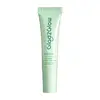
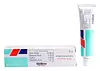
Glad2Glow Centella 2% Salicylic Acid Overnight Acne Spot Treatment Versus Dr. S. Wong Bioderm Ointment
This acne treatment is formulated around Centella Asiatica Extract and Salicylic Acid to clear breakouts and calm redness.


What's inside
What's inside
 Key Ingredients
Benefits
Concerns
Ingredients Side-by-side
Water
Skin ConditioningButylene Glycol
Humectant

Salvia Miltiorrhiza Root Extract
Skin ConditioningCentella Asiatica Extract
Cleansing




Spiraea Ulmaria Extract
AstringentSalicylic Acid
Masking









Niacinamide
Smoothing

Amylopectin
Glycerin
Humectant
Xanthan Gum
EmulsifyingCyclodextrin
AbsorbentPlatonin
Skin ConditioningCeramide NP
Skin Conditioning
Ceramide AP
Skin Conditioning
Ceramide EOP
Skin Conditioning
Portulaca Oleracea Extract
Skin Conditioning
Panthenol
Skin Conditioning
Sodium Hyaluronate
Humectant
Beta-Glucan
Skin Conditioning
Lactobacillus/Soymilk Ferment Filtrate
Skin ConditioningPentylene Glycol
Skin Conditioning
Hydroxyphenyl Propamidobenzoic Acid
Skin ConditioningJuniperus Communis Fruit Extract
Perfuming
Morus Alba Root Extract
BleachingPerilla Ocymoides Leaf Extract
TonicHemerocallis Fulva Flower Extract
Skin ConditioningMaltodextrin
Absorbent
Calcium Pantothenate
Urea
Buffering
Caprylyl Glycol
Emollient
Ethylhexylglycerin
Skin ConditioningPapain
Skin Conditioning
Sodium Citrate
BufferingMagnesium Chloride
Magnesium Lactate
BufferingPotassium Lactate
BufferingSerine
Masking
Alanine
Masking
Proline
Skin Conditioning
Glycolic Acid
Buffering

Caprylhydroxamic Acid
ChelatingO-Cymen-5-Ol
Antimicrobial
1,2-Hexanediol
Skin Conditioning
Acrylates/C10-30 Alkyl Acrylate Crosspolymer
Emulsion StabilisingZinc PCA
Humectant
Allantoin
Skin Conditioning
Dipotassium Glycyrrhizate
Humectant
Phytosphingosine
Skin Conditioning
Cholesterol
Emollient
Sodium Lauroyl Lactylate
EmulsifyingCarbomer
Emulsion StabilisingWater, Butylene Glycol, Salvia Miltiorrhiza Root Extract, Centella Asiatica Extract, Spiraea Ulmaria Extract, Salicylic Acid, Niacinamide, Amylopectin, Glycerin, Xanthan Gum, Cyclodextrin, Platonin, Ceramide NP, Ceramide AP, Ceramide EOP, Portulaca Oleracea Extract, Panthenol, Sodium Hyaluronate, Beta-Glucan, Lactobacillus/Soymilk Ferment Filtrate, Pentylene Glycol, Hydroxyphenyl Propamidobenzoic Acid, Juniperus Communis Fruit Extract, Morus Alba Root Extract, Perilla Ocymoides Leaf Extract, Hemerocallis Fulva Flower Extract, Maltodextrin, Calcium Pantothenate, Urea, Caprylyl Glycol, Ethylhexylglycerin, Papain, Sodium Citrate, Magnesium Chloride, Magnesium Lactate, Potassium Lactate, Serine, Alanine, Proline, Glycolic Acid, Caprylhydroxamic Acid, O-Cymen-5-Ol, 1,2-Hexanediol, Acrylates/C10-30 Alkyl Acrylate Crosspolymer, Zinc PCA, Allantoin, Dipotassium Glycyrrhizate, Phytosphingosine, Cholesterol, Sodium Lauroyl Lactylate, Carbomer




Reviews
Ingredients Explained
These ingredients are found in both products.
Ingredients higher up in an ingredient list are typically present in a larger amount.
Allantoin is a soothing ingredient known for its protective and moisturizing properties; it's basically a quiet workhorse ingredient you can find in a huge range of cosmetics.
Though it can be derived from the comfrey plant, allantoin is produced synthetically for cosmetic products to ensure purity.
Research shows it can encourage your skin cells to turn over and renew by stimulating keratinocyte and fibroblast proliferation.
It also has mild keratolytic properties to help loosen and shed dead skin cells without being harsh.
Studies also suggest allantoin can help calm inflammation by dialing down some of the chemical signals your skin sends out when it is irritated.
This ingredient is typically used in the 0.1-0.5% range, and the FDA recognizes it as a skin protectant in OTC products up to 2%.
Overall, allantoin is a wonderful addition to most routines; it is stable across a wide pH range (~4-8), works well with other ingredients, and is considered non-sensitizing/non-irritating.
Fun fact: Allantoin is naturally occurring in comfrey root, beets, chamomile, and wheat sprouts. Our bodies even produce it as a byproduct of uric acid metabolism.
Learn more about AllantoinSalicylic Acid (also known as beta hydroxy acid or BHA) is a well-known ingredient for treating skin that struggles with acne and clogged pores. It exfoliates both the skin's surface and deep within the pores to help clear out buildup, control oil, and reduce inflammation.
Unlike AHAs (alpha hydroxy acids), salicylic acid is oil-soluble. This allows it to penetrate into pores which makes it especially effective for treating blackheads and preventing future breakouts.
Salicylic acid is also known for its soothing properties. It has a similar structure to aspirin and can calm inflamed or irritated skin, making it a good option for acne-prone skin that is also sensitive.
Concentrations of 0.5-2% are recognized by the U.S. FDA as an over-the-counter topical acne product.
It can cause irritation and/or dryness if one's skin already has a compromised moisture barrier, so it's best to focus on repairing that before introducing this ingredient into your routine.
While salicylic acid does not increase sun sensitivity, it’s still important to wear sunscreen daily to protect your skin.
If you are looking for the ingredient called BHA or Butylated Hydroxyanisole, click here.
Learn more about Salicylic Acid

