Garnier SkinActive Rose Soothing 48hr Moisturiser Versus innisfree Pore Clearing Matte Moisturizer with Volcanic Clusters
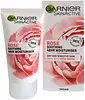
This calming day moisturizer is formulated around Butyrospermum Parkii Butter and Rosa Damascena Flower Water to calm redness and hydrate skin.
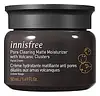
This pore-care moisturizer is formulated around Lactic Acid and Salicylic Acid to refine the look of pores and balance excess oil.


What's inside
What's inside
 Key Ingredients
Benefits
Concerns
Ingredients Side-by-side
Water
Skin ConditioningButyrospermum Parkii Butter
Skin Conditioning






Glycerin
Humectant
Caprylic/Capric Triglyceride
Masking
Dicaprylyl Ether
Emollient
Alcohol Denat.
Antimicrobial


Glyceryl Stearate Se
Emulsifying
Polyglyceryl-3 Methylglucose Distearate
Emulsifying
Zea Mays Starch
Absorbent
Stearyl Alcohol
Emollient
Rosa Damascena Flower Water
Masking

Stearic Acid
Cleansing
Carbomer
Emulsion StabilisingGlycine Soja Oil
Emollient

Sodium Hydroxide
BufferingSodium Phytate
ChelatingArginine
Masking
Myristic Acid
Cleansing
Palmitic Acid
Emollient
Propanediol
Solvent
Caprylyl Glycol
Emollient
Citric Acid
Buffering

Xanthan Gum
EmulsifyingTocopherol
Antioxidant


Salicylic Acid
Masking




Linalool
Perfuming

Citronellol
Perfuming
Parfum
Masking
Water, Butyrospermum Parkii Butter, Glycerin, Caprylic/Capric Triglyceride, Dicaprylyl Ether, Alcohol Denat., Glyceryl Stearate Se, Polyglyceryl-3 Methylglucose Distearate, Zea Mays Starch, Stearyl Alcohol, Rosa Damascena Flower Water, Stearic Acid, Carbomer, Glycine Soja Oil, Sodium Hydroxide, Sodium Phytate, Arginine, Myristic Acid, Palmitic Acid, Propanediol, Caprylyl Glycol, Citric Acid, Xanthan Gum, Tocopherol, Salicylic Acid, Linalool, Citronellol, Parfum
Water
Skin ConditioningButylene Glycol
Humectant
Propanediol
Solvent
Limnanthes Alba Seed Oil
Skin Conditioning
Methyl Trimethicone
Skin Conditioning
Hydrogenated Poly(C6-14 Olefin)
EmollientPolymethylsilsesquioxane
1,2-Hexanediol
Skin Conditioning
Diphenylsiloxy Phenyl Trimethicone
Skin Conditioning
C14-22 Alcohols
Emulsion Stabilising
CI 77891
Cosmetic ColorantHydrogenated Lecithin
Emulsifying
Hydroxypropyl Starch Phosphate
Cetyl Hydroxyethylcellulose
Emulsion StabilisingAmmonium Acryloyldimethyltaurate/Vp Copolymer
Hydroxyethyl Acrylate/Sodium Acryloyldimethyl Taurate Copolymer
Emulsion StabilisingGlyceryl Stearate
Emollient
C12-20 Alkyl Glucoside
EmulsifyingGlyceryl Caprylate
EmollientDisodium EDTA
ChelatingEthylhexylglycerin
Skin ConditioningTromethamine
BufferingLactic Acid
Buffering
Salicylic Acid
Masking
Gluconolactone
Chelating
Sorbitan Isostearate
Emulsifying
Hydrated Silica
Abrasive
Volcanic Ash
Abrasive
Disodium Phosphate
BufferingSilica Dimethyl Silylate
EmollientGlucose
Humectant
Silica
Abrasive
Lactic Acid/Glycolic Acid Copolymer
Skin ConditioningTocopherol
Antioxidant
Polyquaternium-10
Water, Butylene Glycol, Propanediol, Limnanthes Alba Seed Oil, Methyl Trimethicone, Hydrogenated Poly(C6-14 Olefin), Polymethylsilsesquioxane, 1,2-Hexanediol, Diphenylsiloxy Phenyl Trimethicone, C14-22 Alcohols, CI 77891, Hydrogenated Lecithin, Hydroxypropyl Starch Phosphate, Cetyl Hydroxyethylcellulose, Ammonium Acryloyldimethyltaurate/Vp Copolymer, Hydroxyethyl Acrylate/Sodium Acryloyldimethyl Taurate Copolymer, Glyceryl Stearate, C12-20 Alkyl Glucoside, Glyceryl Caprylate, Disodium EDTA, Ethylhexylglycerin, Tromethamine, Lactic Acid, Salicylic Acid, Gluconolactone, Sorbitan Isostearate, Hydrated Silica, Volcanic Ash, Disodium Phosphate, Silica Dimethyl Silylate, Glucose, Silica, Lactic Acid/Glycolic Acid Copolymer, Tocopherol, Polyquaternium-10
Reviews
Ingredients Explained
These ingredients are found in both products.
Ingredients higher up in an ingredient list are typically present in a larger amount.
Propanediol is an all-star ingredient. It softens, hydrates, and smooths the skin.
It’s often used to:
Propanediol is not likely to cause sensitivity and considered safe to use. It is derived from corn or petroleum with a clear color and no scent.
Learn more about PropanediolSalicylic Acid (also known as beta hydroxy acid or BHA) is a well-known ingredient for treating skin that struggles with acne and clogged pores. It exfoliates both the skin's surface and deep within the pores to help clear out buildup, control oil, and reduce inflammation.
Unlike AHAs (alpha hydroxy acids), salicylic acid is oil-soluble. This allows it to penetrate into pores which makes it especially effective for treating blackheads and preventing future breakouts.
Salicylic acid is also known for its soothing properties. It has a similar structure to aspirin and can calm inflamed or irritated skin, making it a good option for acne-prone skin that is also sensitive.
Concentrations of 0.5-2% are recognized by the U.S. FDA as an over-the-counter topical acne product.
It can cause irritation and/or dryness if one's skin already has a compromised moisture barrier, so it's best to focus on repairing that before introducing this ingredient into your routine.
While salicylic acid does not increase sun sensitivity, it’s still important to wear sunscreen daily to protect your skin.
If you are looking for the ingredient called BHA or Butylated Hydroxyanisole, click here.
Learn more about Salicylic AcidTocopherol is a fat-soluble antioxidant known as Vitamin E.
You'll find this ingredient in the vast majority of skincare (for good reason). It works to neutralize free radicals, or unstable molecules generated by UV exposure, pollution, and other environmental stressors, before they can cause oxidative damage to your skin cells.
Topically applied tocopherol has been shown to protect against UV damage by ramping up the skin's own natural defense enzymes.
It also acts as a skin conditioning agent; some studies show that regular topical use can improve the skin's water-binding capacity over 2-4 weeks.
This ingredient is especially loved for being a team player. When combined with Vitamin C, the photoprotective effect of both ingredients roughly doubles and the combo also helps reduce UV-induced DNA damage.
This ingredient has some brightening potential but it's more of a prevention ingredient than spot-fader. Cell studies show it can slow down melanin production but it's worth noting that it's not the most powerful brightener out there.
In formulations, it also serves as a stabilizer that helps protect other oxidation-prone ingredients from degrading.
Concentrations usually range from 0.1-1% in most leave-on products.
Learn more about TocopherolWater. It's the most common cosmetic ingredient of all. You'll usually see it at the top of ingredient lists, meaning that it makes up the largest part of the product.
So why is it so popular? Water most often acts as a solvent - this means that it helps dissolve other ingredients into the formulation.
You'll also recognize water as that liquid we all need to stay alive. If you see this, drink a glass of water. Remember to stay hydrated!
Learn more about Water

