

What's inside
What's inside
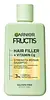 Key Ingredients
Benefits
Concerns
Ingredients Side-by-side
Water
Skin ConditioningSodium C14-16 Olefin Sulfonate
Cleansing
Cocamidopropyl Betaine
Cleansing


Laureth-5 Carboxylic Acid
CleansingSodium Chloride
MaskingParfum
Masking

Caprylyl/Capryl Glucoside
CleansingCitric Acid
Buffering

Sodium Hydroxide
BufferingHexylene Glycol
EmulsifyingSodium Benzoate
Masking
PEG-55 Propylene Glycol Oleate
Surfactant
Propylene Glycol
Humectant
Arginine
Masking
Salicylic Acid
Masking





Polyquaternium-67
Ascorbyl Glucoside
Antioxidant

Benzoic Acid
Masking
Linalool
Perfuming
Limonene
Perfuming
Benzyl Alcohol
Perfuming
Citronellol
Perfuming
Water, Sodium C14-16 Olefin Sulfonate, Cocamidopropyl Betaine, Laureth-5 Carboxylic Acid, Sodium Chloride, Parfum, Caprylyl/Capryl Glucoside, Citric Acid, Sodium Hydroxide, Hexylene Glycol, Sodium Benzoate, PEG-55 Propylene Glycol Oleate, Propylene Glycol, Arginine, Salicylic Acid, Polyquaternium-67, Ascorbyl Glucoside, Benzoic Acid, Linalool, Limonene, Benzyl Alcohol, Citronellol
Water
Skin ConditioningCocamidopropyl Betaine
Cleansing
Sodium Lauroyl Methyl Isethionate
CleansingHeptyl Glucoside
SurfactantSodium Methyl Oleoyl Taurate
CleansingSodium Cocoyl Isethionate
Cleansing
Sorbeth-230 Tetraoleate
Emulsifying
Polyquaternium-7
Phenoxyethanol
Preservative
Sodium Chloride
MaskingCitrus Aurantium Dulcis Peel Oil
Masking

Caprylyl Glycol
Emollient
Citrus Limon Peel Oil
Masking
Decyl Glucoside
Cleansing
Panthenol
Skin Conditioning


Hexylene Glycol
EmulsifyingMannitol
Humectant
Ethylhexylglycerin
Skin ConditioningPhosphatidylcholine
EmulsifyingGlycerin
Humectant
Polyquaternium-10
Biotin
AntiseborrhoeicXimenia Americana Seed Oil
Emollient
Sorbitan Laurate
Emulsifying
Pelargonium Graveolens Flower Oil
Masking
Sr-(Wasp Spider Polypeptide-1 Oligopeptide-178)
Skin Conditioning
Aloe Barbadensis Leaf Juice
Skin Conditioning
Cetyl Alcohol
Emollient
Sodium PCA
Humectant
Sodium Lactate
Buffering
Potassium Sorbate
Preservative
Sodium Benzoate
Masking
Arginine
Masking
Aspartic Acid
Masking
Glycine
Buffering
Citrus Aurantium Bergamia Fruit Oil
Masking
Ceramide NP
Skin Conditioning

Stearamine
Sorbitan Oleate
Emulsifying
Xanthan Gum
EmulsifyingAlanine
Masking
Serine
Masking
Valine
MaskingThreonine
Isoleucine
Skin ConditioningProline
Skin Conditioning
Dimyristyl Phosphate
CleansingHistidine
Humectant
Phenylalanine
Masking
Glycoproteins
Skin Conditioning
Oligopeptide-2
Skin Conditioning
Water, Cocamidopropyl Betaine, Sodium Lauroyl Methyl Isethionate, Heptyl Glucoside, Sodium Methyl Oleoyl Taurate, Sodium Cocoyl Isethionate, Sorbeth-230 Tetraoleate, Polyquaternium-7, Phenoxyethanol, Sodium Chloride, Citrus Aurantium Dulcis Peel Oil, Caprylyl Glycol, Citrus Limon Peel Oil, Decyl Glucoside, Panthenol, Hexylene Glycol, Mannitol, Ethylhexylglycerin, Phosphatidylcholine, Glycerin, Polyquaternium-10, Biotin, Ximenia Americana Seed Oil, Sorbitan Laurate, Pelargonium Graveolens Flower Oil, Sr-(Wasp Spider Polypeptide-1 Oligopeptide-178), Aloe Barbadensis Leaf Juice, Cetyl Alcohol, Sodium PCA, Sodium Lactate, Potassium Sorbate, Sodium Benzoate, Arginine, Aspartic Acid, Glycine, Citrus Aurantium Bergamia Fruit Oil, Ceramide NP, Stearamine, Sorbitan Oleate, Xanthan Gum, Alanine, Serine, Valine, Threonine, Isoleucine, Proline, Dimyristyl Phosphate, Histidine, Phenylalanine, Glycoproteins, Oligopeptide-2
Reviews
Ingredients Explained
These ingredients are found in both products.
Ingredients higher up in an ingredient list are typically present in a larger amount.
Arginine is a semi-essential amino acid. This just means our bodies can product a bit on its own, but sometimes needs a little boost from food sources.
It is a part of your skin's natural moisturizing factor (NMF), or the water-loving molecules in your outermost layer of skin (stratum corneum) that keeps everything hydrated and happy.
Here's an interesting thing about Arginine: your skin converts it into urea through the Krebs-Henseleit urea cycle. Urea is one of the most effective humectants your skin naturally produces.
A clinical study showed applying 2.5% arginine hydrochloride to atopic dermatitis skin showed significant urea levels in the stratum corneum and improved moisture in just four weeks.
Arginine is also a precursor to nitric oxide; nitric oxide improves microcirculation and supports wound healing and collagen synthesis.
One study found that an amino acid complex containing Arginine reduced skin irritation, improved hydration, and accelerated skin repair in clinical / in-vivo studies.
Arginine itself is an amino acid and not a fatty acid, oil, or ester. On its own, it's not a direct food source for Malassezia, or the yeast that causes fungal acne.
Learn more about ArginineCocamidopropyl Betaine is a fatty acid created by mixing similar compounds in coconut oil and dimethylaminopropylamine, a compound with two amino groups.
This ingredient is a surfactant and cleanser. It helps gather the dirt, pollutants, and other impurities in your skin to be washed away. It also helps thicken a product and make the texture more creamy.
Being created from coconut oil means Cocamidopropyl Betaine is hydrating for the skin.
While Cocamidopropyl Betaine was believed to be an allergen, a study from 2012 disproved this. It found two compounds in unpure Cocamidopropyl Betaine to be the irritants: aminoamide and 3-dimethylaminopropylamine. High-grade and pure Cocamidopropyl Betaine did not induce allergic reactions during this study.
Learn more about Cocamidopropyl BetaineHexylene Glycol is a multitasker ingredient that works as a solvent, humectant, emulsifier, viscosity reducer, and preservative booster.
It is able to dissolve both water and oil-soluble ingredients to stabilize tricky actives and make products spread more easily.
As a humectant, it pulls water into the skin. But it's a pretty minor moisturizing ingredient compared to other humectants, like glycerin.
Interestingly, it can act as a mild penetration enhancer. One in vitro study on human skin found a 12% concentration upped the absorption of mometasone furoate (a medicinal ingredient used to treat inflammatory skin conditions) up to 7%.
This ingredient is typically used at levels of 0.1-10% depending on the role it's playing.
A patch test study on eczema patients didn't find a significant increase in irritation versus the control group, but the potential for irritation rises at higher concentrations.
Learn more about Hexylene GlycolSodium Benzoate is a preservative. It's used in both cosmetic and food products to inhibit the growth of mold and bacteria. It is typically produced synthetically.
Both the US FDA and EU Health Committee have approved the use of sodium benzoate. In the US, levels of 0.1% (of the total product) are allowed.
Sodium benzoate works as a preservative by inhibiting the growth of bacteria inside of cells. It prevents the cell from fermenting a type of sugar using an enzyme called phosphofructokinase.
It is the salt of benzoic acid. Foods containing sodium benzoate include soda, salad dressings, condiments, fruit juices, wines, and snack foods.
Studies for using ascorbic acid and sodium benzoate in cosmetics are lacking, especially in skincare routines with multiple steps.
We always recommend speaking with a professional, such as a dermatologist, if you have any concerns.
Learn more about Sodium BenzoateChances are, you eat sodium chloride every day. Sodium Chloride is also known as table salt. This ingredient has many purposes in skincare: thickener, emulsifier, and exfoliator.
You'll most likely find this ingredient in cleansers where it is used to create a gel-like texture. As an emulsifier, it also prevents ingredients from separating.
You might see people debate whether Sodium Chloride is comedogenic, but there actually haven't been any comedogenic tests done on it. Either way, the overall formulation of a product matters a lot more than any single ingredient.
You might see this ingredient used in scrubs as a primary exfoliating ingredient.
Learn more about Sodium ChlorideWater. It's the most common cosmetic ingredient of all. You'll usually see it at the top of ingredient lists, meaning that it makes up the largest part of the product.
So why is it so popular? Water most often acts as a solvent - this means that it helps dissolve other ingredients into the formulation.
You'll also recognize water as that liquid we all need to stay alive. If you see this, drink a glass of water. Remember to stay hydrated!
Learn more about Water

