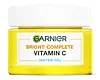
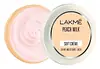
Garnier Bright Complete Vitamin C Water Gel Moisturizer Versus Lakme Peach Milk Soft Crème 24 HR Moisture Lock


What's inside
What's inside
 Key Ingredients
Benefits
Concerns
Ingredients Side-by-side
Water
Skin ConditioningGlycerin
Humectant


Niacinamide
Smoothing









Alcohol Denat.
Antimicrobial




Dipropylene Glycol
HumectantDimethicone
Emollient
Butylene Glycol
Humectant
PEG/PPG/Polybutylene Glycol-8/5/3 Glycerin
HumectantPEG-8
HumectantLinalool
Perfuming

Geraniol
Perfuming
Carbomer
Emulsion StabilisingDimethiconol
Emollient
Sodium Hydroxide
BufferingSodium Citrate
BufferingSodium Hyaluronate
Humectant
Sodium Benzoate
Masking
Silica
Abrasive
Phenoxyethanol
Preservative
Phenylethyl Resorcinol
Antioxidant
Ammonium Polyacryloyldimethyl Taurate
Emulsion StabilisingAscorbyl Glucoside
Antioxidant
Limonene
Perfuming
Caprylyl Glycol
Emollient
Capryloyl Salicylic Acid
Exfoliating
Tetrasodium Glutamate Diacetate
Citrus Limon Fruit Extract
Masking
Hydrolyzed Lupine Protein
Skin ConditioningParfum
Masking
Water, Glycerin, Niacinamide, Alcohol Denat., Dipropylene Glycol, Dimethicone, Butylene Glycol, PEG/PPG/Polybutylene Glycol-8/5/3 Glycerin, PEG-8, Linalool, Geraniol, Carbomer, Dimethiconol, Sodium Hydroxide, Sodium Citrate, Sodium Hyaluronate, Sodium Benzoate, Silica, Phenoxyethanol, Phenylethyl Resorcinol, Ammonium Polyacryloyldimethyl Taurate, Ascorbyl Glucoside, Limonene, Caprylyl Glycol, Capryloyl Salicylic Acid, Tetrasodium Glutamate Diacetate, Citrus Limon Fruit Extract, Hydrolyzed Lupine Protein, Parfum
Water
Skin ConditioningCyclopentasiloxane
Emollient
Sorbitol
Humectant
Caprylic/Capric Triglyceride
Masking
Stearic Acid
Cleansing

Helianthus Annuus Seed Oil
Emollient
Isohexadecane
EmollientGlycol Stearate
Emollient
Dimethicone
Emollient
Triethanolamine
BufferingSodium Acrylate/Sodium Acryloyldimethyl Taurate Copolymer
Emulsion StabilisingGlyceryl Stearate
Emollient
Phenoxyethanol
Preservative
Parfum
Masking
Cetyl Alcohol
Emollient
Methylparaben
Preservative

Carbomer
Emulsion StabilisingTitanium Dioxide
Cosmetic Colorant
Dimethiconol
Emollient
Polysorbate 80
Emulsifying
Tocopheryl Acetate
Antioxidant
Propylparaben
Preservative
Xanthan Gum
EmulsifyingDisodium EDTA
BHT
Antioxidant
Prunus Persica Fruit Extract
Abrasive
Stearamide Amp
Linalool
Perfuming
Butylphenyl Methylpropional
Perfuming
Alpha-Isomethyl Ionone
Perfuming
Citronellol
Perfuming
CI 14700
Cosmetic ColorantWater, Cyclopentasiloxane, Sorbitol, Caprylic/Capric Triglyceride, Stearic Acid, Helianthus Annuus Seed Oil, Isohexadecane, Glycol Stearate, Dimethicone, Triethanolamine, Sodium Acrylate/Sodium Acryloyldimethyl Taurate Copolymer, Glyceryl Stearate, Phenoxyethanol, Parfum, Cetyl Alcohol, Methylparaben, Carbomer, Titanium Dioxide, Dimethiconol, Polysorbate 80, Tocopheryl Acetate, Propylparaben, Xanthan Gum, Disodium EDTA, BHT, Prunus Persica Fruit Extract, Stearamide Amp, Linalool, Butylphenyl Methylpropional, Alpha-Isomethyl Ionone, Citronellol, CI 14700
Reviews
Ingredients Explained
These ingredients are found in both products.
Ingredients higher up in an ingredient list are typically present in a larger amount.
Carbomer is a high-molecular weight polymer of acrylic acid. It is used to form gels and thicken formulas.
Due to its large molecular size, carbomer has minimal skin penetration and is considered an inert ingredient.
A high amount of carbomer can cause pilling or balling up of products. Don't worry, most products contain 1% or less of carbomer.
Learn more about CarbomerDimethicone is a type of synthetic silicone created from natural materials such as quartz. It is also known as polydimethylsiloxane.
What it does:
Dimethicone comes in different viscosities:
Depending on the viscosity, dimethicone has different properties.
Ingredients lists don't always show which type is used, so we recommend reaching out to the brand if you have questions about the viscosity.
This ingredient is unlikely to cause irritation because it does not get absorbed into skin. However, people with silicone allergies should be careful about using this ingredient.
Note: Dimethicone may contribute to pilling. This is because it is not oil or water soluble, so pilling may occur when layered with products. When mixed with heavy oils in a formula, the outcome is also quite greasy.
Learn more about DimethiconeDimethiconol is a silicone that resembles the popular dimethicone. Like other silicones, it is an emollient. Emollients create a thin film on skin to prevent moisture from escaping.
This ingredient helps to create a silky texture and improve spreadability. Due to its high molecular weight and thickness, it is often combined with cyclopentasiloxane.
Linalool is a fragrance and helps add scent to products. It's derived from common plants such as cinnamon, mint, citrus, and lavender.
Like Limonene, this ingredient oxidizes when exposed to air. Oxidized linalool can cause allergies and skin sensitivity.
This ingredient has a scent that is floral, spicy tropical, and citrus-like.
Learn more about LinaloolParfum is a catch-all term for an ingredient or more that is used to give a scent to products.
Also called "fragrance", this ingredient can be a blend of hundreds of chemicals or plant oils. This means every product with "fragrance" or "parfum" in the ingredients list is a different mixture.
For instance, Habanolide is a proprietary trade name for a specific aroma chemical. When used as a fragrance ingredient in cosmetics, most aroma chemicals fall under the broad labeling category of “FRAGRANCE” or “PARFUM” according to EU and US regulations.
The term 'parfum' or 'fragrance' is not regulated in many countries. In many cases, it is up to the brand to define this term.
For instance, many brands choose to label themselves as "fragrance-free" because they are not using synthetic fragrances. However, their products may still contain ingredients such as essential oils that are considered a fragrance by INCI standards.
One example is Calendula flower extract. Calendula is an essential oil that still imparts a scent or 'fragrance'.
Depending on the blend, the ingredients in the mixture can cause allergies and sensitivities on the skin. Some ingredients that are known EU allergens include linalool and citronellol.
Parfum can also be used to mask or cover an unpleasant scent.
The bottom line is: not all fragrances/parfum/ingredients are created equally. If you are worried about fragrances, we recommend taking a closer look at an ingredient. And of course, we always recommend speaking with a professional.
Learn more about ParfumPhenoxyethanol is a preservative that has germicide, antimicrobial, and aromatic properties. Studies show that phenoxyethanol can prevent microbial growth. By itself, it has a scent that is similar to that of a rose.
It's often used in formulations along with Caprylyl Glycol to preserve the shelf life of products.
Water. It's the most common cosmetic ingredient of all. You'll usually see it at the top of ingredient lists, meaning that it makes up the largest part of the product.
So why is it so popular? Water most often acts as a solvent - this means that it helps dissolve other ingredients into the formulation.
You'll also recognize water as that liquid we all need to stay alive. If you see this, drink a glass of water. Remember to stay hydrated!
Learn more about Water
