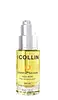
This hydrating oil is formulated around Squalane and Argania Spinosa Kernel Oil to hydrate skin and strengthen the skin barrier.
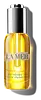
This hydrating oil is formulated around Limnanthes Alba Seed Oil and Simmondsia Chinensis Seed Oil to hydrate skin.


What's inside
What's inside
 Key Ingredients
Benefits
Concerns
Ingredients Side-by-side
C15-19 Alkane
SolventCaprylic/Capric Triglyceride
Masking


Squalane
Emollient
Argania Spinosa Kernel Oil
Emollient





Mauritia Flexuosa Fruit Oil
Skin Conditioning

Passiflora Edulis Seed Oil
Emollient
Simmondsia Chinensis Seed Oil
Emollient
Theobroma Cacao Extract
Skin ConditioningTocopheryl Acetate
Antioxidant


Crithmum Maritimum Extract
Skin ConditioningRosmarinus Officinalis Leaf Extract
AntimicrobialCeramide NP
Skin Conditioning

Padina Pavonica Thallus Extract
Skin ConditioningTocopherol
Antioxidant
Parfum
Masking


C15-19 Alkane, Caprylic/Capric Triglyceride, Squalane, Argania Spinosa Kernel Oil, Mauritia Flexuosa Fruit Oil, Passiflora Edulis Seed Oil, Simmondsia Chinensis Seed Oil, Theobroma Cacao Extract, Tocopheryl Acetate, Crithmum Maritimum Extract, Rosmarinus Officinalis Leaf Extract, Ceramide NP, Padina Pavonica Thallus Extract, Tocopherol, Parfum
Limnanthes Alba Seed Oil
Skin Conditioning
Dimethicone
Emollient
Caprylic/Capric Triglyceride
Masking
Water
Skin ConditioningTrisiloxane
Skin Conditioning
Prunus Amygdalus Dulcis Oil
Skin Conditioning
Simmondsia Chinensis Seed Oil
Emollient
Polydecene
Skin ConditioningHydrogenated Polydecene
EmollientButylene Glycol
Humectant
Propanediol
Solvent
Glycerin
Humectant
Algae Extract
Emollient
Brassica Campestris Seed Oil
Skin Conditioning
Helianthus Annuus Seed Oil
Emollient
Sesamum Indicum Seed Oil
Emollient
Eucalyptus Globulus Leaf Oil
Perfuming

Camelina Sativa Seed Oil
Skin Conditioning
Oxycoccus Palustris Seed Oil
Antioxidant
Olea Europaea Fruit Oil
Masking
Hippophae Rhamnoides Oil
Emollient
Medicago Sativa Seed Powder
Skin ConditioningHelianthus Annuus Seedcake
Abrasive
Prunus Amygdalus Dulcis Seed Meal
Abrasive
Sodium Gluconate
ChelatingCopper Gluconate
Skin Conditioning
Calcium Gluconate
HumectantMagnesium Gluconate
Skin ConditioningZinc Gluconate
Skin Conditioning


Tocopheryl Succinate
Antioxidant
Niacin
SmoothingSesamum Indicum Seed Powder
Skin ConditioningLaminaria Ochroleuca Extract
Skin Conditioning
Laminaria Saccharina Extract
Skin Protecting
Hydrolyzed Algin
Sea Salt
Abrasive
Chlorella Vulgaris Extract
Skin ConditioningSalicornia Herbacea Extract
Skin ConditioningSigesbeckia Orientalis Extract
Skin ConditioningLaminaria Digitata Extract
Skin Protecting
Rosmarinus Officinalis Leaf Extract
AntimicrobialMagnolia Officinalis Bark Extract
Antimicrobial
Faex Extract
Skin ConditioningCrithmum Maritimum Extract
Skin ConditioningCommiphora Mukul Resin Extract
Skin ConditioningCitrus Aurantifolia Peel Extract
Cleansing
Molasses Extract
Skin ConditioningSucrose
Humectant
Acetyl Hexapeptide-8
Humectant
Acetyl Glucosamine
Skin Conditioning
Caffeine
Skin Conditioning
Tocopheryl Acetate
Antioxidant
Phenyl Trimethicone
Skin Conditioning
Sodium Chloride
MaskingTetrahexyldecyl Ascorbate
Antioxidant

Alcohol Denat.
Antimicrobial

Parfum
Masking
Hexyl Cinnamal
Perfuming
Linalool
Perfuming
Amyl Cinnamal
Perfuming
Geraniol
Perfuming
Limonene
Perfuming
Citral
Perfuming
Benzyl Benzoate
Antimicrobial
Coumarin
Perfuming
Citronellol
Perfuming
BHT
Antioxidant
Phenoxyethanol
Preservative
CI 19140
Cosmetic ColorantCI 15985
Cosmetic ColorantLimnanthes Alba Seed Oil, Dimethicone, Caprylic/Capric Triglyceride, Water, Trisiloxane, Prunus Amygdalus Dulcis Oil, Simmondsia Chinensis Seed Oil, Polydecene, Hydrogenated Polydecene, Butylene Glycol, Propanediol, Glycerin, Algae Extract, Brassica Campestris Seed Oil, Helianthus Annuus Seed Oil, Sesamum Indicum Seed Oil, Eucalyptus Globulus Leaf Oil, Camelina Sativa Seed Oil, Oxycoccus Palustris Seed Oil, Olea Europaea Fruit Oil, Hippophae Rhamnoides Oil, Medicago Sativa Seed Powder, Helianthus Annuus Seedcake, Prunus Amygdalus Dulcis Seed Meal, Sodium Gluconate, Copper Gluconate, Calcium Gluconate, Magnesium Gluconate, Zinc Gluconate, Tocopheryl Succinate, Niacin, Sesamum Indicum Seed Powder, Laminaria Ochroleuca Extract, Laminaria Saccharina Extract, Hydrolyzed Algin, Sea Salt, Chlorella Vulgaris Extract, Salicornia Herbacea Extract, Sigesbeckia Orientalis Extract, Laminaria Digitata Extract, Rosmarinus Officinalis Leaf Extract, Magnolia Officinalis Bark Extract, Faex Extract, Crithmum Maritimum Extract, Commiphora Mukul Resin Extract, Citrus Aurantifolia Peel Extract, Molasses Extract, Sucrose, Acetyl Hexapeptide-8, Acetyl Glucosamine, Caffeine, Tocopheryl Acetate, Phenyl Trimethicone, Sodium Chloride, Tetrahexyldecyl Ascorbate, Alcohol Denat., Parfum, Hexyl Cinnamal, Linalool, Amyl Cinnamal, Geraniol, Limonene, Citral, Benzyl Benzoate, Coumarin, Citronellol, BHT, Phenoxyethanol, CI 19140, CI 15985
Ingredients Explained
These ingredients are found in both products.
Ingredients higher up in an ingredient list are typically present in a larger amount.
Caprylic/Capric Triglyceride (aka MCT Oil) is a lightweight emollient, solvent, and texture enhancer. It is considered a skin-softener by helping to prevent moisture loss.
Though it behaves like an oil, it is not technically one due to its chemical composition. One perk of this ingredient is that it is very stable, resistant to oxidation, and unlikely to go rancid.
In practice, that translates to a long shelf life and a consistently elegant skin feel.
While there is an assumption Caprylic Triglyceride can clog pores due to it being derived from coconut oil, there is no research supporting this. Just patch test if you have concerns.
Fractionated coconut oil and MCT Oil are both listed as Caprylic/Capric Triglyceride according to INCI. This is because INCI names are based on the ingredient’s final chemical composition and not its marketing name or source.
This ingredient is treated as the gold standard fungal acne safe oil. Even though it is coconut derived, the problematic lauric acid is stripped out.
This leaves just caprylic (C8) and capric (C10) acid. These chain lengths actually trend antifungal; a 2020 study found caprylic acid was enough to disrupt Malassezia furfur cell membrane, with a caprylic acid derivative damaging membrane structures at concentrations as low as 0.2%.
Learn more about Caprylic/Capric TriglycerideThis ingredient is also known as sea fennel. It is a coastal plant extract with plant compounds like chlorogenic acid. This plant contains both "water" and "oil" parts.
One small human study (12 people over the age of 50) found formulas containing sea fennel biomass showed faster recovery of barrier function / TEWL after the barrier was deliberately disrupted.
A 2025 paper reported improved markers of regeneration in a UV-weakened full-thickness skin model using both water and oil parts. Markers include thicker epidermis, higher loricrin, and more collagen-related signals compared to an oil-only extract.
Broader phytochemical reviews describe antioxidant and anti-inflammatory activity in experimental models.
The plant's essential oil side can contain fragrant terpenes that can irritate sensitive skin, but many skincare formulas focus more on antioxidants like chlorogenic acid.
Learn more about Crithmum Maritimum ExtractParfum is a catch-all term for an ingredient or more that is used to give a scent to products.
Also called "fragrance", this ingredient can be a blend of hundreds of chemicals or plant oils. This means every product with "fragrance" or "parfum" in the ingredients list is a different mixture.
For instance, Habanolide is a proprietary trade name for a specific aroma chemical. When used as a fragrance ingredient in cosmetics, most aroma chemicals fall under the broad labeling category of “FRAGRANCE” or “PARFUM” according to EU and US regulations.
The term 'parfum' or 'fragrance' is not regulated in many countries. In many cases, it is up to the brand to define this term.
For instance, many brands choose to label themselves as "fragrance-free" because they are not using synthetic fragrances. However, their products may still contain ingredients such as essential oils that are considered a fragrance by INCI standards.
One example is Calendula flower extract. Calendula is an essential oil that still imparts a scent or 'fragrance'.
Depending on the blend, the ingredients in the mixture can cause allergies and sensitivities on the skin. Some ingredients that are known EU allergens include linalool and citronellol.
Parfum can also be used to mask or cover an unpleasant scent.
The bottom line is: not all fragrances/parfum/ingredients are created equally. If you are worried about fragrances, we recommend taking a closer look at an ingredient. And of course, we always recommend speaking with a professional.
Learn more about ParfumThis is a botanical extract from the rosemary plant (the same one you cook with). In skincare, it mostly works as a skin conditioning agent.
Its activity comes from a handful of polyphenols, carnosic acid, carnosol, and rosmarinic acid. Almost 90% of the antioxidant activity of this ingredient can be attributed to canosol and carnosic acid.
These compounds protect your skin two ways:
1) They fight off free radicals, or the unstable molecules from things like sun and pollution that age and damage skin.
2) They help calm inflammation by switching off the chemical signals that tell skin to get red and irritated.
Lab studies also suggest that rosmarinic acid may help protect collagen and slow sugar-related damage to it.
The Cosmetic Ingredient Review has concluded rosemary-derived ingredients to be safe when formulated to be non-sensitizing.
Rosemary can occasionally cause allergic contact dermatitis (due to carnosol), so be sure to patch test if you have reactive or fragrance-sensitive skin.
Learn more about Rosmarinus Officinalis Leaf ExtractJojoba oil is one of the most well-studied plant-derived ingredients in cosmetics. It is an emollient with a special structure.
Because it is made up of 97-98% wax esters, it closely mirrors the linear monoesters found in human sebum. This makes it skin compatible, non-greasy, and lightweight.
Unlike other plant oils, jojoba wax doesn't easily penetrate skin. It mostly works in the uppermost layers as an emollient. This just means it forms a light barrier on the skin to help retain moisture.
Formulations with jojoba esters up to 90% reduced transepidermal water loss (TEWL) and increased barrier recovery by 81% (outperforming bisabolol at 47%).
Besides barrier support, the science also suggests jojoba to have anti-inflammatory effects and potential applications for skin infections, aging, and wound healing.
Fun fact: Indigenous cultures have used jojoba as a moisturizer and to help treat burns for centuries.
Fungal acne: The Malassezia yeast is known to metabolize fatty acids in the C11-24 range and jojoba's dominant fatty acid components fall into this range. This ingredient may not be fungal acne safe.
Learn more about Simmondsia Chinensis Seed OilTocopheryl Acetate is a stable, shelf-friendly form of vitamin E.
Formulators love it because plain vitamin E oxidizes quickly once it hits air. This acetate version stays stable and resists going off, helping to extend a product's shelf life.
It's actually inactive on its own and works like a slow-release "storage" form; the enzymes in your skin called esterases gradually convert it into active vitamin E over time.
One in vivo study showed 5% of the acetate in the living layer of the epidermis converted to vitamin E after 5 days of application. This study also found the skin gained protection against UV damage even though the conversion was slow and small.
Once converted, vitamin E acts as a skin's main fat-soluble antioxidant that fights free radicals to protect skin from damage.
Topical vitamin E generally boosts the skin's photoprotection, and it reduced UV-damage in animal models.
This ingredient has some brightening potential but it's more of a prevention ingredient than spot-fader. Cell studies show it can slow down melanin production but it's worth noting that it's not the most powerful brightener out there.
Overall, it has a pretty solid safety profile and has been found to be non-irritating and non-comedogenic. Allergic reactions may happen but stay rare due to how widely the ingredient gets used.
The concentration will vary depending on the formula; industry data shows 0.1% in baby lotions, 3% in lipsticks, and 5% in foot powders. You can also find this ingredient at 100% in a pure vitamin E oil.
Most leave-on skincare keeps it at the lower end, often between 0.5-1%.
Learn more about Tocopheryl Acetate

