
What's inside
What's inside
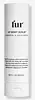 Key Ingredients
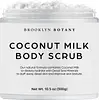
Benefits
Concerns
Ingredients Side-by-side
Water
Skin ConditioningPerlite
Absorbent

Sodium Gluconate
ChelatingLactic Acid
Buffering








Helianthus Annuus Seed Oil
Emollient


Glycerin
Humectant
Stearic Acid
Cleansing
Cetearyl Alcohol
Emollient


Butyrospermum Parkii Butter
Skin Conditioning
Lauryl Glucoside
CleansingGluconolactone
Chelating

Sodium Benzoate
Masking
Sodium Hyaluronate
Humectant

Glycyrrhiza Glabra Root Extract
Bleaching
Salix Alba Bark Extract
Astringent
Althaea Officinalis Root Extract
Skin Conditioning
Potassium Sorbate
Preservative
Xanthan Gum
EmulsifyingTocopherol
Antioxidant

Lavandula Angustifolia Oil
Masking


Salvia Sclarea Oil
Masking
Sodium Hydroxide
BufferingCoumarin
Perfuming
Limonene
Perfuming
Geraniol
Perfuming
Linalool
Perfuming
Water, Perlite, Sodium Gluconate, Lactic Acid, Helianthus Annuus Seed Oil, Glycerin, Stearic Acid, Cetearyl Alcohol, Butyrospermum Parkii Butter, Lauryl Glucoside, Gluconolactone, Sodium Benzoate, Sodium Hyaluronate, Glycyrrhiza Glabra Root Extract, Salix Alba Bark Extract, Althaea Officinalis Root Extract, Potassium Sorbate, Xanthan Gum, Tocopherol, Lavandula Angustifolia Oil, Salvia Sclarea Oil, Sodium Hydroxide, Coumarin, Limonene, Geraniol, Linalool
Sodium Chloride
MaskingHelianthus Annuus Seed Oil
Emollient
Caprylic/Capric Triglyceride
Masking
Hydrogenated Coconut Acid
Emollient
Maltodextrin
Absorbent
Milk Protein
Skin ConditioningCarthamus Tinctorius Seed Oil
Masking
Persea Gratissima Oil
Skin Conditioning
Prunus Amygdalus Dulcis Oil
Skin Conditioning
Prunus Armeniaca Kernel Oil
Masking
Sea Salt
Abrasive
Vitis Vinifera Seed Oil
Emollient
Glycerin
Humectant
Hamamelis Virginiana Extract
Antiseborrhoeic
Avena Sativa Kernel Extract
Abrasive
Salix Alba Bark Extract
Astringent
Pogostemon Cablin Leaf/Stem Extract
Antimicrobial
Melaleuca Alternifolia Leaf Oil
Antioxidant
Parfum
Masking
Sodium Chloride, Helianthus Annuus Seed Oil, Caprylic/Capric Triglyceride, Hydrogenated Coconut Acid, Maltodextrin, Milk Protein, Carthamus Tinctorius Seed Oil, Persea Gratissima Oil, Prunus Amygdalus Dulcis Oil, Prunus Armeniaca Kernel Oil, Sea Salt, Vitis Vinifera Seed Oil, Glycerin, Hamamelis Virginiana Extract, Avena Sativa Kernel Extract, Salix Alba Bark Extract, Pogostemon Cablin Leaf/Stem Extract, Melaleuca Alternifolia Leaf Oil, Parfum
Ingredients Explained
These ingredients are found in both products.
Ingredients higher up in an ingredient list are typically present in a larger amount.
Glycerin (or glycerol) is a compound naturally found in your skin. It's a powerhouse humectant that pulls water into the stratum corneum.
Topically, glycerin does several things at once:
Your skin makes glycerin on its own (mostly from sebaceous oil breakdown) and shuttles it to your outermost layer of skin, or your epidermis, via aquaporin-3.
Aquaporin-3 is a transporter that is essential for normal skin hydration, elasticity, and repair. Interestingly, mice lacking in AQP3 have dry and less elastic skin that can be fully corrected with glycerin.
This ingredient is non-irritating, plays well with almost every ingredient, and works across all skin types. Typical use is anywhere between 3-10% but can go up to 79% in some leave-on products.
Just know very high concentrations (>40%) can feel tacky in low humidity.
Glycerin is the name for this ingredient in American English. British English uses Glycerol/Glycerine.
Learn more about GlycerinHelianthus Annuus Seed Oil is a plant oil derived from the seeds of a sunflower.
It is rich in fatty acids, primarily linoleic acid and oleic acid. This gives it emollient and skin conditioning properties.
The reason this ingredient is so effective is because it forms a thin film on the skin that reduces transepidermal water loss (TEWL) while supplying linoleic acid to the stratum corneum to improve barrier strength.
The high linoleic acid content is particularly noteworthy for acne-prone skin.
Research suggests that acne-prone skin tends to be deficient in linoleic acid in sebum. Topical application may help replenish this to support a healthier follicular environment and less comedone-promoting sebum.
One randomized study found sunflower seed oil preserved skin barrier integrity in adult volunteers with and without atopic dermatitis (outperforming olive oil).
This ingredient is well-studied, gentle, and an effective emollient suitable for most skin types.
On fungal acne: This ingredient may not be Fungal acne (Malassezia folliculitis) safe. This is because it contains fatty acids with carbon chain lengths in the C11-C24 range.
Learn more about Helianthus Annuus Seed OilSalix Alba Bark Extract comes from the bark of the white willow tree. The official CosIng listing states this ingredient to have astringent, skin conditioning, soothing, and tonic properties.
Its star compound is salicin, a natural glucoside that is chemically related to salicylic acid. That's why you'll often see it marketed as a "natural BHA alternative" but that's a bit of a stretch.
Your skin can't convert salicin to salicylic acid because it needs specific enzymes that aren't present on the skin's surface. It won't behave like true salicylic acid, especially at the concentrations used in cosmetics.
However, this ingredient has its own perks. It contains flavonoids, polyphenols, and tannins that give it proven antioxidant and soothing properties.
An 8-week clinical study found a cream with 2% of this extract improved skin microcirculation, elasticity, and dark circles. This is most likely due to its role in increasing hyaluronic acid synthesis in fibroblasts and improved vascular integrity.
Another study found a topical serum with 0.5% salicin showed improvements in visible signs of aging, hyperpigmentation, and texture.
Just be careful if you have a known aspirin/salicylate allergy and be sure to consult with a medical professional about using this ingredient if you do.
Fun fact: Willow Bark extract has been used for thousands of years and ancient civilizations used white willow to help treat pain and fevers.
Learn more about Salix Alba Bark Extract

