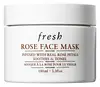
This wash off mask is made with Rosa Damascena Flower Water and Aloe Barbadensis Leaf Juice for a rinse-off hydration boost.

What's inside
What's inside
 Key Ingredients
Benefits
Concerns
Ingredients Side-by-side
Water
Skin ConditioningGlycerin
Humectant


Butylene Glycol
Humectant
Pentylene Glycol
Skin Conditioning
Polyglyceryl-10 Laurate
Skin Conditioning

1,2-Hexanediol
Skin Conditioning
Rosa Centifolia Flower
MaskingRosa Damascena Flower Water
Masking

Rosa Damascena Extract
MaskingAloe Barbadensis Leaf Juice
Skin Conditioning
Rosa Damascena Flower Extract
Masking
Cucumis Sativus Fruit Extract
Emollient
Rosa Damascena Flower Oil
Masking



Carbomer
Emulsion StabilisingSodium Hydroxide
BufferingCaprylic/Capric Triglyceride
Masking
Glyceryl Acrylate/Acrylic Acid Copolymer
HumectantSodium Hyaluronate
Humectant

Propanediol
Solvent
Caramel
Cosmetic ColorantTrisodium Ethylenediamine Disuccinate
ChelatingParfum
Masking

Caprylyl Glycol
Emollient
Citric Acid
Buffering

Sodium Benzoate
Masking
Potassium Sorbate
Preservative
Chlorphenesin
Antimicrobial
Water, Glycerin, Butylene Glycol, Pentylene Glycol, Polyglyceryl-10 Laurate, 1,2-Hexanediol, Rosa Centifolia Flower, Rosa Damascena Flower Water, Rosa Damascena Extract, Aloe Barbadensis Leaf Juice, Rosa Damascena Flower Extract, Cucumis Sativus Fruit Extract, Rosa Damascena Flower Oil, Carbomer, Sodium Hydroxide, Caprylic/Capric Triglyceride, Glyceryl Acrylate/Acrylic Acid Copolymer, Sodium Hyaluronate, Propanediol, Caramel, Trisodium Ethylenediamine Disuccinate, Parfum, Caprylyl Glycol, Citric Acid, Sodium Benzoate, Potassium Sorbate, Chlorphenesin
Water
Skin ConditioningGlycerin
Humectant
Propylene Glycol Dicaprylate/Dicaprate
EmollientCetearyl Alcohol
Emollient

Pentylene Glycol
Skin Conditioning
Lithothamnion Calcareum Powder
Abrasive
Caprylic/Capric Triglyceride
Masking
Betaine
Humectant
Neopentyl Glycol Dicaprylate/Dicaprate
EmollientLaminaria Saccharina Extract
Skin Protecting
Nelumbo Nucifera Extract
Skin ConditioningCocos Nucifera Shell Powder
Abrasive
Nelumbo Nucifera Seed Powder
Skin ConditioningCitrus Limon Peel Oil
Masking
Cucumis Sativus Fruit Extract
Emollient
Hibiscus Esculentus Fruit Extract
Skin ConditioningHelianthus Annuus Seed Oil
Emollient
Tocopherol
Antioxidant


Tocopheryl Acetate
Antioxidant
Polyacrylate Crosspolymer-6
Emulsion StabilisingCetearyl Glucoside
Emulsifying
Behenyl Alcohol
Emollient
Caprylyl Glycol
Emollient
Potassium Cetyl Phosphate
EmulsifyingSclerotium Gum
Emulsion StabilisingCetyl Alcohol
Emollient
Stearyl Alcohol
Emollient
Citric Acid
Buffering
Sodium Citrate
BufferingButylene Glycol
Humectant
Propanediol
Solvent
Sodium Polyglutamate
HumectantCaramel
Cosmetic ColorantSodium Phytate
ChelatingSodium Hydroxide
BufferingChlorphenesin
Antimicrobial
Sodium Metabisulfite
Antioxidant
Potassium Sorbate
Preservative
Sodium Benzoate
Masking
Limonene
Perfuming
Citral
Perfuming
Water, Glycerin, Propylene Glycol Dicaprylate/Dicaprate, Cetearyl Alcohol, Pentylene Glycol, Lithothamnion Calcareum Powder, Caprylic/Capric Triglyceride, Betaine, Neopentyl Glycol Dicaprylate/Dicaprate, Laminaria Saccharina Extract, Nelumbo Nucifera Extract, Cocos Nucifera Shell Powder, Nelumbo Nucifera Seed Powder, Citrus Limon Peel Oil, Cucumis Sativus Fruit Extract, Hibiscus Esculentus Fruit Extract, Helianthus Annuus Seed Oil, Tocopherol, Tocopheryl Acetate, Polyacrylate Crosspolymer-6, Cetearyl Glucoside, Behenyl Alcohol, Caprylyl Glycol, Potassium Cetyl Phosphate, Sclerotium Gum, Cetyl Alcohol, Stearyl Alcohol, Citric Acid, Sodium Citrate, Butylene Glycol, Propanediol, Sodium Polyglutamate, Caramel, Sodium Phytate, Sodium Hydroxide, Chlorphenesin, Sodium Metabisulfite, Potassium Sorbate, Sodium Benzoate, Limonene, Citral
Ingredients Explained
These ingredients are found in both products.
Ingredients higher up in an ingredient list are typically present in a larger amount.
Butylene Glycol (or BG) is used within cosmetic products for a few different reasons:
Overall, Butylene Glycol is a safe and well-rounded ingredient that works well with other ingredients.
Though this ingredient works well with most skin types, some people with sensitive skin may experience a reaction such as allergic rashes, closed comedones, or itchiness.
Learn more about Butylene GlycolCaprylic/Capric Triglyceride (aka MCT Oil) is a lightweight emollient, solvent, and texture enhancer. It is considered a skin-softener by helping to prevent moisture loss.
Though it behaves like an oil, it is not technically one due to its chemical composition. One perk of this ingredient is that it is very stable, resistant to oxidation, and unlikely to go rancid.
In practice, that translates to a long shelf life and a consistently elegant skin feel.
While there is an assumption Caprylic Triglyceride can clog pores due to it being derived from coconut oil, there is no research supporting this. Just patch test if you have concerns.
Fractionated coconut oil and MCT Oil are both listed as Caprylic/Capric Triglyceride according to INCI. This is because INCI names are based on the ingredient’s final chemical composition and not its marketing name or source.
This ingredient is treated as the gold standard fungal acne safe oil. Even though it is coconut derived, the problematic lauric acid is stripped out.
This leaves just caprylic (C8) and capric (C10) acid. These chain lengths actually trend antifungal; a 2020 study found caprylic acid was enough to disrupt Malassezia furfur cell membrane, with a caprylic acid derivative damaging membrane structures at concentrations as low as 0.2%.
Learn more about Caprylic/Capric TriglycerideCaprylyl Glycol is a humectant, skin conditioner, emollient, and preservative booster derived from either caprylic acid or synthetically created.
Typical use levels vary from 0.3-1% as a preservative booster and go up to 2% to condition skin.
Because it is not a free-fatty acid, this ingredient is fungal acne safe (there's nothing for Malassezia to feed on).
Learn more about Caprylyl GlycolWe don't have a description for Caramel yet.
Chlorphenesin is a synthetic preservative. It helps protect a product against bacteria in order to extend shelf life. In most cases, Chlorphenesin is paired with other preservatives such as phenoxyethanol and caprylyl glycol.
Chlorphenesin is a biocide. This means it is able to help fight the microorganisms on our skin. It is also able to fight odor-releasing bacteria.
Chlorphenesin is soluble in both water and glycerin.
Studies show Chlorphenesin is easily absorbed by our skin. You should speak with a skincare professional if you have concerns about using Chlorphenesin.
Learn more about ChlorphenesinCitric Acid is an alpha hydroxy acid (AHA) naturally found in citrus fruits like oranges, lemons, and limes.
Like other AHAs, citric acid can exfoliate skin by breaking down the bonds that hold dead skin cells together. This helps reveal smoother and brighter skin underneath.
However, this exfoliating effect only happens at high concentrations (20%) which can be hard to find in cosmetic products.
Due to this, citric acid is usually included in small amounts as a pH adjuster. This helps keep products slightly more acidic and compatible with skin's natural pH.
In skincare formulas, citric acid can:
While it can provide some skin benefits, research shows lactic acid and glycolic acid are generally more effective and less irritating exfoliants.
Most citric acid used in skincare today is made by fermenting sugars (usually from molasses). This synthetic version is identical to the natural citrus form but easier to stabilize and use in formulations.
Rosacea skin has a lower threshold for acids generally, with 62.5% of rosacea subjects in one study reacting to lactic acid in a sting test. This is why we mark citric acid as a potential rosacea trigger.
However, this ingredient shows up as a pH adjuster or chelator at roughly 0.1-1% in many products. These low levels are unlikely to be an issue for rosacea skin and becomes a potential trigger at exfoliating concentrations (20%). Because everybody's skin is unique, we recommend a patch test if you are unsure.
Learn more about Citric AcidThis extract comes from cucumber. Cucumbers are mostly made up of water (95%), and the other 5% is composed of: vitamin C, caffeic acid, fatty acids, amino acids, and other minerals.
Cucumbers have anti-inflammatory, barrier repair, and hydrating properties.
They contain shikimate dehydrigenase, an enzyme shown to help reduce inflammation and soothe the skin.
The amino acids found in cucumbers help nourish our skin's natural acid mantle (it's an important part of our skin barrier). This slightly acidic film acts as a barrier to protect us from bacteria, viruses, and other contaminants.
Unless you have an allergy to cucumbers, this is generally a non-irritating ingredient.
Fun fact: Cucumis Sativus is native to South Asia and can now be found on every continent.
Learn more about Cucumis Sativus Fruit ExtractGlycerin (or glycerol) is a compound naturally found in your skin. It's a powerhouse humectant that pulls water into the stratum corneum.
Topically, glycerin does several things at once:
Your skin makes glycerin on its own (mostly from sebaceous oil breakdown) and shuttles it to your outermost layer of skin, or your epidermis, via aquaporin-3.
Aquaporin-3 is a transporter that is essential for normal skin hydration, elasticity, and repair. Interestingly, mice lacking in AQP3 have dry and less elastic skin that can be fully corrected with glycerin.
This ingredient is non-irritating, plays well with almost every ingredient, and works across all skin types. Typical use is anywhere between 3-10% but can go up to 79% in some leave-on products.
Just know very high concentrations (>40%) can feel tacky in low humidity.
Glycerin is the name for this ingredient in American English. British English uses Glycerol/Glycerine.
Learn more about GlycerinPentylene Glycol (1,2-pentanediol) is a multitasking little diol with three main roles in a formula:
Research on alkanediols (the family pentylene glycol belongs to) show they work by disrupting microbial cell membranes. This disruption helps the primary preservative system in a product work more effectively at lower doses.
On the safety side, the Cosmetic Ingredient Review Expert Panel has concluded this ingredient to be safe as used in current cosmetic practices + concentrations.
Typical use levels in a formula run about 1-5%.
Learn more about Pentylene GlycolPotassium Sorbate is a preservative used to prevent yeast and mold in products. It is commonly found in both cosmetic and food products.
This ingredient comes from potassium salt derived from sorbic acid. Sorbic acid is a natural antibiotic and effective against fungus.
Both potassium sorbate and sorbic acid can be found in baked goods, cheeses, dried meats, dried fruit, ice cream, pickles, wine, yogurt, and more.
You'll often find this ingredient used with other preservatives.
Learn more about Potassium SorbatePropanediol is an all-star ingredient. It softens, hydrates, and smooths the skin.
It’s often used to:
Propanediol is not likely to cause sensitivity and considered safe to use. It is derived from corn or petroleum with a clear color and no scent.
Learn more about PropanediolSodium Benzoate is a preservative. It's used in both cosmetic and food products to inhibit the growth of mold and bacteria. It is typically produced synthetically.
Both the US FDA and EU Health Committee have approved the use of sodium benzoate. In the US, levels of 0.1% (of the total product) are allowed.
Sodium benzoate works as a preservative by inhibiting the growth of bacteria inside of cells. It prevents the cell from fermenting a type of sugar using an enzyme called phosphofructokinase.
It is the salt of benzoic acid. Foods containing sodium benzoate include soda, salad dressings, condiments, fruit juices, wines, and snack foods.
Studies for using ascorbic acid and sodium benzoate in cosmetics are lacking, especially in skincare routines with multiple steps.
We always recommend speaking with a professional, such as a dermatologist, if you have any concerns.
Learn more about Sodium BenzoateSodium Hydroxide is also known as lye or caustic soda. It is used to adjust the pH of products; many ingredients require a specific pH to be effective.
In small amounts, sodium hydroxide is considered safe to use. However, large amounts may cause chemical burns due to its high alkaline.
Your skin has a natural pH and acid mantle. This acid mantle helps prevent harmful bacteria from breaking through. The acid mantle also helps keep your skin hydrated.
"Alkaline" refers to a high pH level. A low pH level would be considered acidic.
Learn more about Sodium HydroxideWater. It's the most common cosmetic ingredient of all. You'll usually see it at the top of ingredient lists, meaning that it makes up the largest part of the product.
So why is it so popular? Water most often acts as a solvent - this means that it helps dissolve other ingredients into the formulation.
You'll also recognize water as that liquid we all need to stay alive. If you see this, drink a glass of water. Remember to stay hydrated!
Learn more about Water

