

What's inside
What's inside
 Key Ingredients
Benefits
Concerns
Ingredients Side-by-side
Water
Skin ConditioningGlycerin
Humectant


Squalane
Emollient
Camellia Oleifera Seed Oil
Skin Conditioning

Cetearyl Alcohol
Emollient



Propanediol
Solvent
1,2-Hexanediol
Skin Conditioning
Ascorbyl Glucoside
Antioxidant


Passiflora Edulis Seed Oil
Emollient
Centaurea Cyanus Flower Water
Skin Conditioning
Prunus Cerasus Flower Extract
Skin ConditioningPaeonia Suffruticosa Root Extract
Skin ProtectingTocopheryl Acetate
Antioxidant
Tocopherol
Antioxidant
Hydrogenated Coco-Glycerides
Emollient
Cetearyl Glucoside
Emulsifying
Cetyl Alcohol
Emollient
Stearyl Alcohol
Emollient
Sodium Stearoyl Glutamate
CleansingSodium Hydroxide
BufferingAcrylates/C10-30 Alkyl Acrylate Crosspolymer
Emulsion StabilisingPolyacrylate Crosspolymer-6
Emulsion StabilisingBetaine
Humectant
Butylene Glycol
Humectant
Parfum
Masking



Sodium Hyaluronate
Humectant
Chlorphenesin
Antimicrobial
Sodium Benzoate
Masking
Potassium Sorbate
Preservative
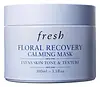
Water, Glycerin, Squalane, Camellia Oleifera Seed Oil, Cetearyl Alcohol, Propanediol, 1,2-Hexanediol, Ascorbyl Glucoside, Passiflora Edulis Seed Oil, Centaurea Cyanus Flower Water, Prunus Cerasus Flower Extract, Paeonia Suffruticosa Root Extract, Tocopheryl Acetate, Tocopherol, Hydrogenated Coco-Glycerides, Cetearyl Glucoside, Cetyl Alcohol, Stearyl Alcohol, Sodium Stearoyl Glutamate, Sodium Hydroxide, Acrylates/C10-30 Alkyl Acrylate Crosspolymer, Polyacrylate Crosspolymer-6, Betaine, Butylene Glycol, Parfum, Sodium Hyaluronate, Chlorphenesin, Sodium Benzoate, Potassium Sorbate
Water
Skin ConditioningGlycerin
Humectant
Butylene Glycol
Humectant
Tocopheryl Acetate
Antioxidant
Niacinamide
Smoothing




Sodium Hyaluronate
Humectant
Carrageenan
Gellan Gum
Betaine
Humectant
Algin
Masking
Mannan
Ceramide NP
Skin Conditioning
PEG-60 Hydrogenated Castor Oil
Emulsifying
Acrylates/C10-30 Alkyl Acrylate Crosspolymer
Emulsion StabilisingChlorphenesin
Antimicrobial
Arginine
Masking
Ethylhexylglycerin
Skin ConditioningCentella Asiatica Extract
Cleansing
Rubus Fruticosus Fruit Extract
AstringentSalicornia Herbacea Extract
Skin ConditioningPhragmites Communis Extract
Skin ConditioningAdenosine
Skin Conditioning
Lavandula Angustifolia Oil
Masking


Eucalyptus Globulus Leaf Oil
Perfuming
Pelargonium Graveolens Flower Oil
Masking
Citrus Limon Peel Oil
Masking
Citrus Aurantium Dulcis Peel Oil
Masking
Cananga Odorata Flower Oil
Masking
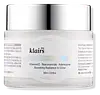
Water, Glycerin, Butylene Glycol, Tocopheryl Acetate, Niacinamide, Sodium Hyaluronate, Carrageenan, Gellan Gum, Betaine, Algin, Mannan, Ceramide NP, PEG-60 Hydrogenated Castor Oil, Acrylates/C10-30 Alkyl Acrylate Crosspolymer, Chlorphenesin, Arginine, Ethylhexylglycerin, Centella Asiatica Extract, Rubus Fruticosus Fruit Extract, Salicornia Herbacea Extract, Phragmites Communis Extract, Adenosine, Lavandula Angustifolia Oil, Eucalyptus Globulus Leaf Oil, Pelargonium Graveolens Flower Oil, Citrus Limon Peel Oil, Citrus Aurantium Dulcis Peel Oil, Cananga Odorata Flower Oil
Reviews
Ingredients Explained
These ingredients are found in both products.
Ingredients higher up in an ingredient list are typically present in a larger amount.
Acrylates/C10-30 Alkyl Acrylate Crosspolymer is a synthetic polymer. It is used to thicken, emulsify, and improve the texture of products.
As an emulsifier, it helps stabilize oil-in-water emulsions to give products an elegant feel when applied.
It can also form a thin protective film on skin. One study found that a formula using this polymer helped slow down how quickly other ingredients (like DEET) were absorbed through skin.
A 2024 study of over 1,300 patients confirmed that sensitization to this ingredient is rare. It is also non-mutagenic and has a clean track record.
Learn more about Acrylates/C10-30 Alkyl Acrylate CrosspolymerBetaine is a humectant. Like hyaluronic acid, it helps attract and retain moisture in the skin. It’s known for being gentle and for helping the skin maintain balanced hydration.
Betaine is mainly used to improve hydration and support calmer skin. It helps skin cells regulate water balance because it functions as an osmolyte.
Some studies suggest betaine may support making skin tone more even.
Fun fact: Betaine naturally exists in the skin and the body. In cosmetic products, it can be either plant-derived (most commonly from sugar beets) or synthetically produced for consistency and stability.
Betaine is also known as trimethylglycine.
Learn more about BetaineButylene Glycol (or BG) is used within cosmetic products for a few different reasons:
Overall, Butylene Glycol is a safe and well-rounded ingredient that works well with other ingredients.
Though this ingredient works well with most skin types, some people with sensitive skin may experience a reaction such as allergic rashes, closed comedones, or itchiness.
Learn more about Butylene GlycolChlorphenesin is a synthetic preservative. It helps protect a product against bacteria in order to extend shelf life. In most cases, Chlorphenesin is paired with other preservatives such as phenoxyethanol and caprylyl glycol.
Chlorphenesin is a biocide. This means it is able to help fight the microorganisms on our skin. It is also able to fight odor-releasing bacteria.
Chlorphenesin is soluble in both water and glycerin.
Studies show Chlorphenesin is easily absorbed by our skin. You should speak with a skincare professional if you have concerns about using Chlorphenesin.
Learn more about ChlorphenesinGlycerin (or glycerol) is a compound naturally found in your skin. It's a powerhouse humectant that pulls water into the stratum corneum.
Topically, glycerin does several things at once:
Your skin makes glycerin on its own (mostly from sebaceous oil breakdown) and shuttles it to your outermost layer of skin, or your epidermis, via aquaporin-3.
Aquaporin-3 is a transporter that is essential for normal skin hydration, elasticity, and repair. Interestingly, mice lacking in AQP3 have dry and less elastic skin that can be fully corrected with glycerin.
This ingredient is non-irritating, plays well with almost every ingredient, and works across all skin types. Typical use is anywhere between 3-10% but can go up to 79% in some leave-on products.
Just know very high concentrations (>40%) can feel tacky in low humidity.
Glycerin is the name for this ingredient in American English. British English uses Glycerol/Glycerine.
Learn more about GlycerinSodium Hyaluronate is the salt form of hyaluronic acid. It is a long sugar chain that is naturally found in your skin, joints, and connective tissue that maintains hydration and elasticity.
In skincare, it works as a humectant. It pulls water from the environment and deeper layers of skin and binds it to the surface.
Interestingly, the size of the molecule affects its behavior:
Some clinical evidence links low molecular weight versions to improved wrinkle depth, elasticity, anti-inflammatory effects, and barrier repair.
Many serums use a blend of both weights so you can get surface hydration plus longer-lasting and deeper effects.
You'll typically see concentrations between 0.1-2% for this ingredient.
Learn more about Sodium HyaluronateTocopheryl Acetate is AKA Vitamin E. It is an antioxidant and protects your skin from free radicals. Free radicals damage the skin by breaking down collagen.
One study found using Tocopheryl Acetate with Vitamin C decreased the number of sunburned cells.
Tocopheryl Acetate is commonly found in both skincare and dietary supplements.
Learn more about Tocopheryl AcetateWater. It's the most common cosmetic ingredient of all. You'll usually see it at the top of ingredient lists, meaning that it makes up the largest part of the product.
So why is it so popular? Water most often acts as a solvent - this means that it helps dissolve other ingredients into the formulation.
You'll also recognize water as that liquid we all need to stay alive. If you see this, drink a glass of water. Remember to stay hydrated!
Learn more about Water
