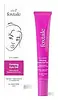
This anti-aging eye moisturizer is formulated around Fucus Vesiculosus Extract and Palmitoyl Tripeptide-1 to soften the look of wrinkles and refine skin texture.
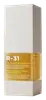
This anti-aging eye moisturizer is formulated around Lactobacillus Ferment and Ectoin to soften the look of wrinkles.


What's inside
What's inside
 Key Ingredients
Benefits
Concerns
Ingredients Side-by-side
Water
Skin ConditioningPropylene Glycol
Humectant


Fucus Vesiculosus Extract
Emollient
Hexylene Glycol
EmulsifyingCaprylyl Glycol
Emollient
Xanthan Gum
EmulsifyingGlycerin
Humectant

Steareth-20
CleansingN-Hydroxysuccinimide
Skin ConditioningChrysin
Skin ConditioningPalmitoyl Tripeptide-1
Skin Conditioning


Palmitoyl Tetrapeptide-7
Skin Conditioning
Propanediol
Solvent
Chondrus Crispus Extract
Skin Conditioning
Citric Acid
Buffering

Phenoxyethanol
Preservative
Ethylhexylglycerin
Skin ConditioningPanthenol
Skin Conditioning
Carbomer
Emulsion StabilisingDisodium EDTA
ChelatingSodium Hydroxide
BufferingWater, Propylene Glycol, Fucus Vesiculosus Extract, Hexylene Glycol, Caprylyl Glycol, Xanthan Gum, Glycerin, Steareth-20, N-Hydroxysuccinimide, Chrysin, Palmitoyl Tripeptide-1, Palmitoyl Tetrapeptide-7, Propanediol, Chondrus Crispus Extract, Citric Acid, Phenoxyethanol, Ethylhexylglycerin, Panthenol, Carbomer, Disodium EDTA, Sodium Hydroxide
Water
Skin ConditioningButylene Glycol
Humectant
Glycerin
Humectant
Lactobacillus Ferment
Skin Conditioning
Bellis Perennis Flower Extract
Skin ConditioningPerilla Frutescens Extract
Skin ConditioningEthoxydiglycol
HumectantMaltodextrin
Absorbent
Hieracium Pilosella Extract
MaskingPentylene Glycol
Skin Conditioning
Propanediol
Solvent
Ectoin
Skin Conditioning
Acetyl Tetrapeptide-5
Humectant
Palmitoyl Hexapeptide-12
Skin Conditioning
Tripeptide-32
Skin Conditioning
Dipeptide-2
Skin Conditioning
Acetyl Hexapeptide-8
Humectant
Acetyl Heptapeptide-4
Humectant
Palmitoyl Tripeptide-8
Skin Conditioning
Palmitoyl Tripeptide-1
Skin Conditioning
Palmitoyl Tetrapeptide-7
Skin Conditioning
Nicotiana Benthamiana Octapeptide-30 Sh-Oligopeptide-2
Skin Conditioning
Oligopeptide-1
Skin Conditioning
Sodium DNA
Skin Conditioning
Rna
Skin ConditioningHouttuynia Cordata Extract
Skin Conditioning
Phospholipids
Skin Conditioning
Sphingolipids
Emollient
Glycolipids
Skin ConditioningBacillus Ferment
Skin Conditioning
Alteromonas Ferment Extract
Skin Conditioning
Micrococcus Lysate
Skin ConditioningHydrolyzed Yeast Extract
Skin ConditioningHelianthus Annuus Sprout Extract
Skin ConditioningAcrylates/C10-30 Alkyl Acrylate Crosspolymer
Emulsion StabilisingMethylpropanediol
SolventPolyglyceryl-4 Caprate
EmulsifyingPolyglyceryl-6 Caprylate
EmulsifyingTromethamine
BufferingEthylhexylglycerin
Skin ConditioningPropylene Glycol
Humectant
1,2-Hexanediol
Skin Conditioning
Fucus Vesiculosus Extract
Emollient
Caprylhydroxamic Acid
ChelatingTrisodium Ethylenediamine Disuccinate
ChelatingChlamydomonas Reinhardtii Extract
HumectantSodium Citrate
BufferingCaprylyl Glycol
Emollient
Hexylene Glycol
EmulsifyingPoria Cocos Sclerotium Extract
AstringentChrysanthellum Indicum Extract
Skin Conditioning
Citric Acid
Buffering
Gentiana Lutea Root Extract
Skin ConditioningSodium Benzoate
Masking
Xanthan Gum
EmulsifyingSodium Dehydroacetate
Preservative
P-Anisic Acid
MaskingDextran
Tocopherol
Antioxidant

Water, Butylene Glycol, Glycerin, Lactobacillus Ferment, Bellis Perennis Flower Extract, Perilla Frutescens Extract, Ethoxydiglycol, Maltodextrin, Hieracium Pilosella Extract, Pentylene Glycol, Propanediol, Ectoin, Acetyl Tetrapeptide-5, Palmitoyl Hexapeptide-12, Tripeptide-32, Dipeptide-2, Acetyl Hexapeptide-8, Acetyl Heptapeptide-4, Palmitoyl Tripeptide-8, Palmitoyl Tripeptide-1, Palmitoyl Tetrapeptide-7, Nicotiana Benthamiana Octapeptide-30 Sh-Oligopeptide-2, Oligopeptide-1, Sodium DNA, Rna, Houttuynia Cordata Extract, Phospholipids, Sphingolipids, Glycolipids, Bacillus Ferment, Alteromonas Ferment Extract, Micrococcus Lysate, Hydrolyzed Yeast Extract, Helianthus Annuus Sprout Extract, Acrylates/C10-30 Alkyl Acrylate Crosspolymer, Methylpropanediol, Polyglyceryl-4 Caprate, Polyglyceryl-6 Caprylate, Tromethamine, Ethylhexylglycerin, Propylene Glycol, 1,2-Hexanediol, Fucus Vesiculosus Extract, Caprylhydroxamic Acid, Trisodium Ethylenediamine Disuccinate, Chlamydomonas Reinhardtii Extract, Sodium Citrate, Caprylyl Glycol, Hexylene Glycol, Poria Cocos Sclerotium Extract, Chrysanthellum Indicum Extract, Citric Acid, Gentiana Lutea Root Extract, Sodium Benzoate, Xanthan Gum, Sodium Dehydroacetate, P-Anisic Acid, Dextran, Tocopherol
Ingredients Explained
These ingredients are found in both products.
Ingredients higher up in an ingredient list are typically present in a larger amount.
Caprylyl Glycol is a humectant, skin conditioner, emollient, and preservative booster derived from either caprylic acid or synthetically created.
Typical use levels vary from 0.3-1% as a preservative booster and go up to 2% to condition skin.
Because it is not a free-fatty acid, this ingredient is fungal acne safe (there's nothing for Malassezia to feed on).
Learn more about Caprylyl GlycolCitric Acid is an alpha hydroxy acid (AHA) naturally found in citrus fruits like oranges, lemons, and limes.
Like other AHAs, citric acid can exfoliate skin by breaking down the bonds that hold dead skin cells together. This helps reveal smoother and brighter skin underneath.
However, this exfoliating effect only happens at high concentrations (20%) which can be hard to find in cosmetic products.
Due to this, citric acid is usually included in small amounts as a pH adjuster. This helps keep products slightly more acidic and compatible with skin's natural pH.
In skincare formulas, citric acid can:
While it can provide some skin benefits, research shows lactic acid and glycolic acid are generally more effective and less irritating exfoliants.
Most citric acid used in skincare today is made by fermenting sugars (usually from molasses). This synthetic version is identical to the natural citrus form but easier to stabilize and use in formulations.
Rosacea skin has a lower threshold for acids generally, with 62.5% of rosacea subjects in one study reacting to lactic acid in a sting test. This is why we mark citric acid as a potential rosacea trigger.
However, this ingredient shows up as a pH adjuster or chelator at roughly 0.1-1% in many products. These low levels are unlikely to be an issue for rosacea skin and becomes a potential trigger at exfoliating concentrations (20%). Because everybody's skin is unique, we recommend a patch test if you are unsure.
Learn more about Citric AcidEthylhexylglycerin is created from glycerin. It is a multitasker ingredient that:
The CIR Expert Panel found minimal skin absorption or sensitization of any kind in a safety assessment. Though this ingredient is considered well-tolerated, a small number of cases of allergic dermatitis have been published since 2002. Just be sure to patch test if you are unsure.
Industry-reported use ranges from 8% in rinse-off products and 2% in leave-on formulations.
Learn more about EthylhexylglycerinFucus Vesiculosus Extract is derived from a type of brown algae.
Algae is an informal term for a group of aquatic organisms that can photosynthesize. It is estimated there are at least 30,000 types of Algae.
Fucus Vesiculosus Extract contains antioxidants. Antioxidants help fight free-radicals. Free-radicals are molecules that may damage your skin cells, such as pollution.
Fucus Vesiculosus Extract is also rich in sodium, potassium, and amino acids.
Many different types of algae have different benefits.
Learn more about Fucus Vesiculosus ExtractGlycerin (or glycerol) is a compound naturally found in your skin. It's a powerhouse humectant that pulls water into the stratum corneum.
Topically, glycerin does several things at once:
Your skin makes glycerin on its own (mostly from sebaceous oil breakdown) and shuttles it to your outermost layer of skin, or your epidermis, via aquaporin-3.
Aquaporin-3 is a transporter that is essential for normal skin hydration, elasticity, and repair. Interestingly, mice lacking in AQP3 have dry and less elastic skin that can be fully corrected with glycerin.
This ingredient is non-irritating, plays well with almost every ingredient, and works across all skin types. Typical use is anywhere between 3-10% but can go up to 79% in some leave-on products.
Just know very high concentrations (>40%) can feel tacky in low humidity.
Glycerin is the name for this ingredient in American English. British English uses Glycerol/Glycerine.
Learn more about GlycerinHexylene Glycol is a multitasker ingredient that works as a solvent, humectant, emulsifier, viscosity reducer, and preservative booster.
It is able to dissolve both water and oil-soluble ingredients to stabilize tricky actives and make products spread more easily.
As a humectant, it pulls water into the skin. But it's a pretty minor moisturizing ingredient compared to other humectants, like glycerin.
Interestingly, it can act as a mild penetration enhancer. One in vitro study on human skin found a 12% concentration upped the absorption of mometasone furoate (a medicinal ingredient used to treat inflammatory skin conditions) up to 7%.
This ingredient is typically used at levels of 0.1-10% depending on the role it's playing.
A patch test study on eczema patients didn't find a significant increase in irritation versus the control group, but the potential for irritation rises at higher concentrations.
Learn more about Hexylene GlycolPalmitoyl Tetrapeptide-7 (formerly Palmitoyl Tetrapeptide-3) is a synthetic peptide. Its main job is to fight what researchers call "inflammaging".
"Inflammaging" is the slow, low-grade chronic inflammation that quietly breaks down collagen as we age.
This ingredient calms down a specific inflammation signal in your skin cells (called IL-6). When left unchecked, this signal triggers enzymes that break down collagen and elastin.
Clinical testing showed statistically significant improvements in:
Studies also found the more of this ingredient used, the more your skin produces Collagen I, fibronectin, and hyaluronic acid.
You'll likely see this ingredient paired with Palmitoyl Tripeptide-1 in the well-known Matrixyl 3000 complex for enhanced anti-aging effects.
A 3% concentration applied twice daily for two months showed meaningful skin rejuvenation results in clinical panels.
Fungal acne note:
Usually a palmitic acid component can feed Malassezia in unbound form, but here is is covalently bonded to the peptide. This means it is very difficult for Malassezia to access, and therefore very unlikely to cause fungal acne.
Palmitoyl Tripeptide-1 (aka Pal-GHK) is a synthetic signal peptide made of three amino acids attached to palmitic acid.
That fatty acid attachment is the key: it boosts the peptide's ability to penetrate the skin barrier. This puts it closer to the dermal cells where it can actually make a difference.
Once there, it acts as a matrikine, a signaling peptide that prompts fibroblasts to produce more collagen, fibronectin, and hyaluronic acid.
In vitro studies show it can boost collagen production in skin cells even when UV-damaged skin samples were treated with it at a tiny concentration (it almost fully restored dermal collagen at 5ppm). It achieved this at 100x lower concentration than retinoic acid, which needed 500 ppm to do the same thing.
Human clinical data is promising, but modest:
A study of 23 female volunteers found a small but statistically significant increase (~4%) in skin thickness after treatment at 4 ppm.
A separate small trial of 15 women showed statistically significant reductions in wrinkle length, depth, and skin roughness after applying it twice daily for four weeks.
You'll likely see Pal-GHK paired with Palmitoyl Tetrapeptide-7 as part of the Matrixyl 3000 complex.
Fungal acne note:
Usually a palmitic acid component can feed Malassezia in unbound form, but here is is covalently bonded to the peptide. This means it is very difficult for Malassezia to access, and therefore very unlikely to cause fungal acne.
Propanediol is an all-star ingredient. It softens, hydrates, and smooths the skin.
It’s often used to:
Propanediol is not likely to cause sensitivity and considered safe to use. It is derived from corn or petroleum with a clear color and no scent.
Learn more about PropanediolPropylene Glycol is a synthetic, colorless, odorless liquid that has been a staple in cosmetics for decades. It is a skin conditioning agent, humectant, and solvent.
As a humectant, it draw water to the skin to reduce flaking and restore suppleness. It's also a solvent that helps dissolve other actives and keeps formulas stable across temperature changes.
The CIR Expert Panel has confirmed this ingredient to be nontoxic and clinical studies show no sensitization at cosmetic use concentrations.
True allergic reactions are quite rare: a 15-year retrospective study of 6,751 patients found only 0.31% had a positive reaction (and less than half were considered clinically relevant).
It seemed that when sensitization does occur, it's most commonly linked to topical medication (like corticosteroids) and not cosmetics. Allergic contact dermatitis also appears largely limited to individuals with underlying skin conditions.
Overall, propylene glycol is a well-studied ingredient that most people can tolerate without issue.
Learn more about Propylene GlycolWater. It's the most common cosmetic ingredient of all. You'll usually see it at the top of ingredient lists, meaning that it makes up the largest part of the product.
So why is it so popular? Water most often acts as a solvent - this means that it helps dissolve other ingredients into the formulation.
You'll also recognize water as that liquid we all need to stay alive. If you see this, drink a glass of water. Remember to stay hydrated!
Learn more about WaterXanthan gum is used as a stabilizer and thickener within cosmetic products. It helps give products a sticky, thick feeling - preventing them from being too runny.
On the technical side of things, xanthan gum is a polysaccharide - a combination consisting of multiple sugar molecules bonded together.
Xanthan gum is a pretty common and great ingredient. It is a natural, non-toxic, non-irritating ingredient that is also commonly used in food products.
Learn more about Xanthan Gum

