Finally Found You! Hyd-Rice-Ing & Brightening Essence Booster Versus Wardah 2% Argireline Peptide Matrixyl 3000 Firm & Lift Essence Toner
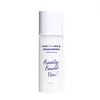
This brightening toner is formulated around 3-O-Ethyl Ascorbic Acid and Ferulic Acid to brighten dull-looking skin and hydrate skin.
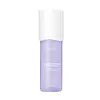
This anti-aging toner is formulated around Niacinamide and Acetyl Hexapeptide-8 to soften the look of wrinkles and refine skin texture.

What's inside
What's inside
 Key Ingredients
Benefits
Concerns
Ingredients Side-by-side
Water
Skin ConditioningGlycerin
Humectant


Butylene Glycol
Humectant
Acrylates Copolymer
3-O-Ethyl Ascorbic Acid
Skin Conditioning




Allantoin
Skin Conditioning
Ethoxydiglycol
HumectantFerulic Acid
Antimicrobial

Avena Sativa Kernel Extract
Abrasive
Panthenol
Skin Conditioning
Sodium Benzoate
Masking
Triethanolamine
BufferingChlorphenesin
Antimicrobial
PPG-13-Decyltetradeceth-24
EmulsifyingSodium Styrene/Acrylates Copolymer
Disodium EDTA
ChelatingPolysorbate 20
Emulsifying

Tocopheryl Acetate
Antioxidant
Propylene Glycol
Humectant
Oryza Sativa Germ Extract
EmollientPentylene Glycol
Skin Conditioning
Tamarindus Indica Seed Gum
Emulsion Stabilising
Glucose
Humectant
Glycine Soja Seed Extract
Skin Conditioning
1,2-Hexanediol
Skin Conditioning
Beeswax
Emulsion Stabilising

Citric Acid
Buffering
Potassium Sorbate
Preservative
Water, Glycerin, Butylene Glycol, Acrylates Copolymer, 3-O-Ethyl Ascorbic Acid, Allantoin, Ethoxydiglycol, Ferulic Acid, Avena Sativa Kernel Extract, Panthenol, Sodium Benzoate, Triethanolamine, Chlorphenesin, PPG-13-Decyltetradeceth-24, Sodium Styrene/Acrylates Copolymer, Disodium EDTA, Polysorbate 20, Tocopheryl Acetate, Propylene Glycol, Oryza Sativa Germ Extract, Pentylene Glycol, Tamarindus Indica Seed Gum, Glucose, Glycine Soja Seed Extract, 1,2-Hexanediol, Beeswax, Citric Acid, Potassium Sorbate
Water
Skin ConditioningNiacinamide
Smoothing


Glycerin
Humectant
Propanediol
Solvent
Dimethicone
Emollient
Acetyl Hexapeptide-8
Humectant
Beta-Glucan
Skin Conditioning
Palmitoyl Tripeptide-1
Skin Conditioning
Palmitoyl Tetrapeptide-7
Skin Conditioning
Trehalose
Humectant
Phenoxyethanol
Preservative
Coco-Caprylate/Caprate
Emollient
Dipropylene Glycol
HumectantSodium Carboxymethyl Starch
Emulsion StabilisingDimethicone/Vinyl Dimethicone Crosspolymer
Skin Conditioning
Xanthan Gum
EmulsifyingAllantoin
Skin Conditioning
Chlorphenesin
Antimicrobial
Sclerotium Gum
Emulsion StabilisingSqualane
Emollient
Tetrasodium EDTA
ChelatingPentylene Glycol
Skin Conditioning
Isododecane
EmollientCaprylyl Glycol
Emollient
Trimethylsiloxysilylcarbamoyl Pullulan
Butylene Glycol
Humectant
Caprylic/Capric Triglyceride
Masking
Bakuchiol
Antimicrobial
Deoxyphytantriyl Palmitamide Mea
Skin ConditioningTrideceth-9
EmulsifyingHydrogenated Lecithin
Emulsifying
PEG-40 Hydrogenated Castor Oil
Emulsifying
Ceramide NP
Skin Conditioning
Cholesterol
Emollient
Carbomer
Emulsion StabilisingPolysorbate 20
Emulsifying
Ethylhexylglycerin
Skin ConditioningCI 14720
Cosmetic ColorantCI 42090
Cosmetic ColorantWater, Niacinamide, Glycerin, Propanediol, Dimethicone, Acetyl Hexapeptide-8, Beta-Glucan, Palmitoyl Tripeptide-1, Palmitoyl Tetrapeptide-7, Trehalose, Phenoxyethanol, Coco-Caprylate/Caprate, Dipropylene Glycol, Sodium Carboxymethyl Starch, Dimethicone/Vinyl Dimethicone Crosspolymer, Xanthan Gum, Allantoin, Chlorphenesin, Sclerotium Gum, Squalane, Tetrasodium EDTA, Pentylene Glycol, Isododecane, Caprylyl Glycol, Trimethylsiloxysilylcarbamoyl Pullulan, Butylene Glycol, Caprylic/Capric Triglyceride, Bakuchiol, Deoxyphytantriyl Palmitamide Mea, Trideceth-9, Hydrogenated Lecithin, PEG-40 Hydrogenated Castor Oil, Ceramide NP, Cholesterol, Carbomer, Polysorbate 20, Ethylhexylglycerin, CI 14720, CI 42090
Reviews
Ingredients Explained
These ingredients are found in both products.
Ingredients higher up in an ingredient list are typically present in a larger amount.
Allantoin is a soothing ingredient known for its protective and moisturizing properties; it's basically a quiet workhorse ingredient you can find in a huge range of cosmetics.
Though it can be derived from the comfrey plant, allantoin is produced synthetically for cosmetic products to ensure purity.
Research shows it can encourage your skin cells to turn over and renew by stimulating keratinocyte and fibroblast proliferation.
It also has mild keratolytic properties to help loosen and shed dead skin cells without being harsh.
Studies also suggest allantoin can help calm inflammation by dialing down some of the chemical signals your skin sends out when it is irritated.
This ingredient is typically used in the 0.1-0.5% range, and the FDA recognizes it as a skin protectant in OTC products up to 2%.
Overall, allantoin is a wonderful addition to most routines; it is stable across a wide pH range (~4-8), works well with other ingredients, and is considered non-sensitizing/non-irritating.
Fun fact: Allantoin is naturally occurring in comfrey root, beets, chamomile, and wheat sprouts. Our bodies even produce it as a byproduct of uric acid metabolism.
Learn more about AllantoinButylene Glycol (or BG) is used within cosmetic products for a few different reasons:
Overall, Butylene Glycol is a safe and well-rounded ingredient that works well with other ingredients.
Though this ingredient works well with most skin types, some people with sensitive skin may experience a reaction such as allergic rashes, closed comedones, or itchiness.
Learn more about Butylene GlycolChlorphenesin is a synthetic preservative. It helps protect a product against bacteria in order to extend shelf life. In most cases, Chlorphenesin is paired with other preservatives such as phenoxyethanol and caprylyl glycol.
Chlorphenesin is a biocide. This means it is able to help fight the microorganisms on our skin. It is also able to fight odor-releasing bacteria.
Chlorphenesin is soluble in both water and glycerin.
Studies show Chlorphenesin is easily absorbed by our skin. You should speak with a skincare professional if you have concerns about using Chlorphenesin.
Learn more about ChlorphenesinGlycerin (or glycerol) is a compound naturally found in your skin. It's a powerhouse humectant that pulls water into the stratum corneum.
Topically, glycerin does several things at once:
Your skin makes glycerin on its own (mostly from sebaceous oil breakdown) and shuttles it to your outermost layer of skin, or your epidermis, via aquaporin-3.
Aquaporin-3 is a transporter that is essential for normal skin hydration, elasticity, and repair. Interestingly, mice lacking in AQP3 have dry and less elastic skin that can be fully corrected with glycerin.
This ingredient is non-irritating, plays well with almost every ingredient, and works across all skin types. Typical use is anywhere between 3-10% but can go up to 79% in some leave-on products.
Just know very high concentrations (>40%) can feel tacky in low humidity.
Glycerin is the name for this ingredient in American English. British English uses Glycerol/Glycerine.
Learn more about GlycerinPentylene Glycol (1,2-pentanediol) is a multitasking little diol with three main roles in a formula:
Research on alkanediols (the family pentylene glycol belongs to) show they work by disrupting microbial cell membranes. This disruption helps the primary preservative system in a product work more effectively at lower doses.
On the safety side, the Cosmetic Ingredient Review Expert Panel has concluded this ingredient to be safe as used in current cosmetic practices + concentrations.
Typical use levels in a formula run about 1-5%.
Learn more about Pentylene GlycolPolysorbate 20 is a gentle, water-soluble emulsifier and mild surfactant. It stops oil and water from separating to keep your formulas blended and stable.
It also acts as a mild penetration enhancer by helping active ingredients absorb slightly better.
The common safety discussion around this ingredient involves a manufacturing byproduct called 1,4-dioxane.
Trace amounts can form during production but the EU's Scientific Committee on Consumer Safety has concluded that levels at/below 10 ppm in finished products are safe (commercial products consistently fall within acceptable margins).
True allergic reactions are uncommon and the CIR Expert Panel has confirmed this ingredient to be safe as used in cosmetics.
Because it is derived from lauric acid, it may not be fungal acne safe.
Learn more about Polysorbate 20Water. It's the most common cosmetic ingredient of all. You'll usually see it at the top of ingredient lists, meaning that it makes up the largest part of the product.
So why is it so popular? Water most often acts as a solvent - this means that it helps dissolve other ingredients into the formulation.
You'll also recognize water as that liquid we all need to stay alive. If you see this, drink a glass of water. Remember to stay hydrated!
Learn more about Water

