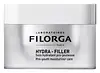
This anti-aging moisturizer is formulated around Sodium Hyaluronate to soften the look of wrinkles and hydrate skin.
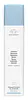
This hydrating serum is formulated around Sclerocarya Birrea Seed Oil and Panthenol to hydrate skin and strengthen the skin barrier.


What's inside
What's inside
 Key Ingredients
Benefits
Concerns
Ingredients Side-by-side
Ethylhexyl Palmitate
Emollient




Isodecyl Neopentanoate
EmollientGlycerin
Humectant


Pentaerythrityl Tetracaprylate/Tetracaprate
EmollientArachidyl Alcohol
Emollient
Behenyl Alcohol
Emollient
Polymethyl Acrylate
Ammonium Acryloyldimethyltaurate/Vp Copolymer
Sodium Hyaluronate
Humectant


1,2-Hexanediol
Skin Conditioning
Sucrose Palmitate
EmollientGlyceryl Stearate
Emollient
PEG-100 Stearate
Surfactant
Caprylic/Capric Triglyceride
Masking
Chlorphenesin
Antimicrobial
Sorbitan Oleate
Emulsifying
Glyceryl Linoleate
Emollient
Prunus Amygdalus Dulcis Oleosomes
EmollientSesamum Indicum Seed
Abrasive
Biosaccharide Gum-1
Humectant
Sorbitan Laurate
Emulsifying
Levulinic Acid
Perfuming

Polyglyceryl-10 Laurate
Skin Conditioning
Salicornia Herbacea Extract
Skin ConditioningSodium Hydroxide
BufferingMagnesium Sulfate
Glutamine
Skin ConditioningTocopherol
Antioxidant



Lysine Hcl
Skin Conditioning
Arginine Hcl
Skin ConditioningAlanine
Masking
Histidine Hcl
Skin ConditioningValine
MaskingLeucine
Skin ConditioningIsoleucine
Skin ConditioningTryptophan
MaskingPhenylalanine
Masking
Tyrosine
MaskingPolysorbate 80
Emulsifying
Serine
Masking
Cystine
MaskingCyanocobalamin
Skin ConditioningGlutathione
Asparagine
MaskingNicotinamide Adenine Dinucleotide
Skin ConditioningProline
Skin Conditioning
Methionine
Skin ConditioningTaurine
BufferingHydroxyproline
Skin ConditioningGlucosamine Hcl
Retinyl Acetate
Skin Conditioning
Inositol
Humectant
Niacin
SmoothingNiacinamide
Smoothing





Pyridoxine Hcl
Skin ConditioningBiotin
AntiseborrhoeicRiboflavin
Cosmetic ColorantEthylhexyl Palmitate, Isodecyl Neopentanoate, Glycerin, Pentaerythrityl Tetracaprylate/Tetracaprate, Arachidyl Alcohol, Behenyl Alcohol, Polymethyl Acrylate, Ammonium Acryloyldimethyltaurate/Vp Copolymer, Sodium Hyaluronate, 1,2-Hexanediol, Sucrose Palmitate, Glyceryl Stearate, PEG-100 Stearate, Caprylic/Capric Triglyceride, Chlorphenesin, Sorbitan Oleate, Glyceryl Linoleate, Prunus Amygdalus Dulcis Oleosomes, Sesamum Indicum Seed, Biosaccharide Gum-1, Sorbitan Laurate, Levulinic Acid, Polyglyceryl-10 Laurate, Salicornia Herbacea Extract, Sodium Hydroxide, Magnesium Sulfate, Glutamine, Tocopherol, Lysine Hcl, Arginine Hcl, Alanine, Histidine Hcl, Valine, Leucine, Isoleucine, Tryptophan, Phenylalanine, Tyrosine, Polysorbate 80, Serine, Cystine, Cyanocobalamin, Glutathione, Asparagine, Nicotinamide Adenine Dinucleotide, Proline, Methionine, Taurine, Hydroxyproline, Glucosamine Hcl, Retinyl Acetate, Inositol, Niacin, Niacinamide, Pyridoxine Hcl, Biotin, Riboflavin
Water
Skin ConditioningCoconut Alkanes
Emollient
Ammonium Acryloyldimethyltaurate/Vp Copolymer
Glycerin
Humectant
Pentylene Glycol
Skin Conditioning
Sclerocarya Birrea Seed Oil
Humectant
Wheat Amino Acids
Skin ConditioningAnanas Sativus Fruit Extract
Skin ConditioningBerberis Vulgaris Root Extract
AntimicrobialCitrullus Lanatus Fruit Extract
Skin Conditioning
Lens Esculenta Fruit Extract
Skin ConditioningPyrus Malus Fruit Extract
Skin Conditioning
Coco-Caprylate/Caprate
Emollient
Panthenol
Skin Conditioning
Sodium PCA
Humectant
Sodium Hyaluronate Crosspolymer
Humectant
Dipotassium Glycyrrhizate
Humectant
Niacinamide
Smoothing
Cyclodextrin
AbsorbentSodium Hyaluronate
Humectant
Sodium Lactate
Buffering
Phenoxyethanol
Preservative
Hydroxyproline
Skin ConditioningTrisodium Ethylenediamine Disuccinate
Citric Acid
Buffering
Caprylyl Glycol
Emollient
Chlorphenesin
Antimicrobial
Ethylhexylglycerin
Skin ConditioningWater, Coconut Alkanes, Ammonium Acryloyldimethyltaurate/Vp Copolymer, Glycerin, Pentylene Glycol, Sclerocarya Birrea Seed Oil, Wheat Amino Acids, Ananas Sativus Fruit Extract, Berberis Vulgaris Root Extract, Citrullus Lanatus Fruit Extract, Lens Esculenta Fruit Extract, Pyrus Malus Fruit Extract, Coco-Caprylate/Caprate, Panthenol, Sodium PCA, Sodium Hyaluronate Crosspolymer, Dipotassium Glycyrrhizate, Niacinamide, Cyclodextrin, Sodium Hyaluronate, Sodium Lactate, Phenoxyethanol, Hydroxyproline, Trisodium Ethylenediamine Disuccinate, Citric Acid, Caprylyl Glycol, Chlorphenesin, Ethylhexylglycerin
Reviews
Ingredients Explained
These ingredients are found in both products.
Ingredients higher up in an ingredient list are typically present in a larger amount.
Ammonium Acryloyldimethyltaurate/Vp Copolymer is a synthetically created polymer. It's used as a film-forming agent and used to thicken the consistency of products.
Think of it as a supportive ingredient that helps your gel-creams feel silky, "cloud cream-like", and spread evenly without being greasy.
The Cosmetic Ingredient Review (CIR) Expert Panel evaluated it (along with 22 other acryloyldimethyltaurate polymers) and concluded it's:
Due to its large molecular size, it sits on the surface of skin rather than penetrating it.
Learn more about Ammonium Acryloyldimethyltaurate/Vp CopolymerChlorphenesin is a synthetic preservative. It helps protect a product against bacteria in order to extend shelf life. In most cases, Chlorphenesin is paired with other preservatives such as phenoxyethanol and caprylyl glycol.
Chlorphenesin is a biocide. This means it is able to help fight the microorganisms on our skin. It is also able to fight odor-releasing bacteria.
Chlorphenesin is soluble in both water and glycerin.
Studies show Chlorphenesin is easily absorbed by our skin. You should speak with a skincare professional if you have concerns about using Chlorphenesin.
Learn more about ChlorphenesinGlycerin (or glycerol) is a compound naturally found in your skin. It's a powerhouse humectant that pulls water into the stratum corneum.
Topically, glycerin does several things at once:
Your skin makes glycerin on its own (mostly from sebaceous oil breakdown) and shuttles it to your outermost layer of skin, or your epidermis, via aquaporin-3.
Aquaporin-3 is a transporter that is essential for normal skin hydration, elasticity, and repair. Interestingly, mice lacking in AQP3 have dry and less elastic skin that can be fully corrected with glycerin.
This ingredient is non-irritating, plays well with almost every ingredient, and works across all skin types. Typical use is anywhere between 3-10% but can go up to 79% in some leave-on products.
Just know very high concentrations (>40%) can feel tacky in low humidity.
Glycerin is the name for this ingredient in American English. British English uses Glycerol/Glycerine.
Learn more about GlycerinWe don't have a description for Hydroxyproline yet.
Niacinamide is a multitasking form of vitamin B3 that strengthens the skin barrier, reduces pores and dark spots, regulates oil, and improves signs of aging.
And the best part? It's gentle and well-tolerated by most skin types, including sensitive and reactive skin.
You might have heard of "niacin flush", or the reddening of skin that causes itchiness. Niacinamide has not been found to cause this.
In very rare cases, some individuals may not be able to tolerate niacinamide at all or experience an allergic reaction to it.
If you are experiencing flaking, irritation, and dryness with this ingredient, be sure to double check all your products as this ingredient can be found in all categories of skincare.
When incorporating niacinamide into your routine, look out for concentration amounts. Typically, 5% niacinamide provides benefits such as fading dark spots. However, if you have sensitive skin, it is better to begin with a smaller concentration.
When you apply niacinamide to your skin, your body converts it into nicotinamide adenine dinucleotide (NAD). NAD is an essential coenzyme that is already found in your cells as "fuel" and powers countless biological processes.
In your skin, NAD helps repair cell damage, produce new healthy cells, support collagen production, strengthen the skin barrier, and fight environmental stressors (like UV and pollution).
Our natural NAD levels start to decline with age, leading to slower skin repair, visible aging, and a weaker skin barrier. By providing your skin niacinamide, you're recharging your skin's NAD levels. This leads to stronger, healthier, and younger looking skin.
Another name for vitamin B3 is nicotinamide. This vitamin is water-soluble and our bodies don't store it. We obtain Vitamin B3 from either food or skincare. Meat, fish, wheat, yeast, and leafy greens contain vitamin B3.
The type of niacinamide used in skincare is synthetically created.
Learn more about NiacinamideSodium Hyaluronate is the salt form of hyaluronic acid. It is a long sugar chain that is naturally found in your skin, joints, and connective tissue that maintains hydration and elasticity.
In skincare, it works as a humectant. It pulls water from the environment and deeper layers of skin and binds it to the surface.
Interestingly, the size of the molecule affects its behavior:
Some clinical evidence links low molecular weight versions to improved wrinkle depth, elasticity, anti-inflammatory effects, and barrier repair.
Many serums use a blend of both weights so you can get surface hydration plus longer-lasting and deeper effects.
You'll typically see concentrations between 0.1-2% for this ingredient.
Learn more about Sodium Hyaluronate

