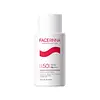
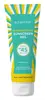
Facerinna Niacinamide Brightening Serum Sunscreen SPF 50 Versus Azarine Hydrasoothe Sunscreen Gel SPF45 PA++++
This chemical sunscreen covers the full UV range and blocks ~98% of UVB at SPF 50.
This chemical sunscreen covers most of the UV range, lighter on the deep UVA that drives aging.


What's inside
What's inside
 Key Ingredients
Benefits
Concerns
Ingredients Side-by-side
Water
Skin ConditioningEthylhexyl Methoxycinnamate
UV Absorber


Dimethicone
Emollient

Diethylamino Hydroxybenzoyl Hexyl Benzoate
UV Filter
Phenylbenzimidazole Sulfonic Acid
UV Absorber
Niacinamide
Smoothing










Isohexadecane
EmollientBis-Ethylhexyloxyphenol Methoxyphenyl Triazine
UV Absorber
Methylene Bis-Benzotriazolyl Tetramethylbutylphenol
UV Filter
Glyceryl Stearate
Emollient

Behenyl Alcohol
Emollient
Cetearyl Olivate
Tapioca Starch
Polymethylsilsesquioxane
Sodium Hydroxide
BufferingHydroxyacetophenone
Antioxidant
PEG-100 Stearate
Surfactant
1,2-Hexanediol
Skin Conditioning
Sorbitan Olivate
Emulsifying
Triacontanyl Pvp
HumectantCarbomer
Emulsion StabilisingUrea
Buffering
Decyl Glucoside
Cleansing
Dimethicone/Vinyl Dimethicone Crosspolymer
Skin Conditioning
Bisabolol
Antioxidant
Squalane
Emollient
Propylene Glycol
Humectant
Xanthan Gum
EmulsifyingBHT
Antioxidant
Water, Ethylhexyl Methoxycinnamate, Dimethicone, Diethylamino Hydroxybenzoyl Hexyl Benzoate, Phenylbenzimidazole Sulfonic Acid, Niacinamide, Isohexadecane, Bis-Ethylhexyloxyphenol Methoxyphenyl Triazine, Methylene Bis-Benzotriazolyl Tetramethylbutylphenol, Glyceryl Stearate, Behenyl Alcohol, Cetearyl Olivate, Tapioca Starch, Polymethylsilsesquioxane, Sodium Hydroxide, Hydroxyacetophenone, PEG-100 Stearate, 1,2-Hexanediol, Sorbitan Olivate, Triacontanyl Pvp, Carbomer, Urea, Decyl Glucoside, Dimethicone/Vinyl Dimethicone Crosspolymer, Bisabolol, Squalane, Propylene Glycol, Xanthan Gum, BHT
Water
Skin ConditioningGlycerin
Humectant
Propanediol
Solvent
Ethylhexyl Methoxycinnamate
UV Absorber
Butyl Methoxydibenzoylmethane
UV Absorber
Cucumis Sativus Fruit Extract
Emollient
Octocrylene
UV Absorber
Butylene Glycol
Humectant
Aloe Barbadensis Leaf Juice
Skin Conditioning
Polymethyl Methacrylate
Portulaca Oleracea Extract
Skin Conditioning
Sodium Hyaluronate
Humectant
Camellia Sinensis Leaf Extract
Antimicrobial
Ectoin
Skin Conditioning
Phenoxyethanol
Preservative
Acrylates/C10-30 Alkyl Acrylate Crosspolymer
Emulsion StabilisingRoyal Jelly
Centella Asiatica Extract
Cleansing
Allantoin
Skin Conditioning
Panthenol
Skin Conditioning
Resveratrol
Antioxidant
Lecithin
Emollient
Disodium EDTA
ChelatingWater, Glycerin, Propanediol, Ethylhexyl Methoxycinnamate, Butyl Methoxydibenzoylmethane, Cucumis Sativus Fruit Extract, Octocrylene, Butylene Glycol, Aloe Barbadensis Leaf Juice, Polymethyl Methacrylate, Portulaca Oleracea Extract, Sodium Hyaluronate, Camellia Sinensis Leaf Extract, Ectoin, Phenoxyethanol, Acrylates/C10-30 Alkyl Acrylate Crosspolymer, Royal Jelly, Centella Asiatica Extract, Allantoin, Panthenol, Resveratrol, Lecithin, Disodium EDTA
Reviews
Ingredients Explained
These ingredients are found in both products.
Ingredients higher up in an ingredient list are typically present in a larger amount.
This ingredient is also known as Octinoxate and is one of the oldest and most widely used chemical UV filters in skincare.
It has a simple job: soap up UVB radiation (290-320 nm), the wavelengths responsible for sunburn and a big chunk of long-term sun damage.
In formulas, it's always paired with a separate UVA filter because octinoxate solely protects skin from UVB.
Because it's an oil-soluble liquid, it's easy to blend into the oil phase of lotions/creams and gives a cosmetically elegant feel.
The one quirk about formulating this ingredient is photostability; the molecule slowly changes shape into a less effective version when sunlight hits it. So the longer you're in the sun, the weaker its protection gets. The drop can be more than 30% in some formulas.
It also doesn't play nice with Avobenzone (the common UVA filter) since avobenzone destabilizes octinoxate and the two degrade each other. But don't worry: brands have solved this issue by adding photostabilizers like Tinosorb S to prevent degradation and keep SPF stable under heavy UV exposure.
The maximum allowed level is 10% in the EU and Australia, 7.5% in the US and Canada, and 20% in Japan.
The Cosmetic Ingredient Review Panel has concluded this ingredient to be safe in cosmetics up to 10%.
One last thing worth knowing for context:
Octinoxate has been the subject of ongoing review in Europe where the Scientific Committee on Consumer Safety's (SCCS) 2025 final opinion is that this ingredient is an endocrine-active substance.
Lab and animal studies suggest it can act a bit like a hormone in the body (mildly mimicking estrogen and slightly blocking male hormones). It's important to know this hasn't really been shown to happen in everyday human use.
This ingredient is also banned in Hawaii over coral reef concerns.
Learn more about Ethylhexyl MethoxycinnamateWater. It's the most common cosmetic ingredient of all. You'll usually see it at the top of ingredient lists, meaning that it makes up the largest part of the product.
So why is it so popular? Water most often acts as a solvent - this means that it helps dissolve other ingredients into the formulation.
You'll also recognize water as that liquid we all need to stay alive. If you see this, drink a glass of water. Remember to stay hydrated!
Learn more about Water

