Facerinna Ceramide B5 Balancing Moisturizer Versus Focalskin 8% Derived Vitamin B5 Lasting Hydration Cream
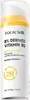
This barrier-repair moisturizer is formulated around Squalane and Panthenol to strengthen the skin barrier and hydrate skin.
This barrier-repair moisturizer is formulated around Bifida Ferment Filtrate and Panthenol to strengthen the skin barrier and hydrate skin.


What's inside
What's inside
 Key Ingredients
Benefits
Concerns
Ingredients Side-by-side
Water
Skin ConditioningMethylpropanediol
SolventSqualane
Emollient


Coco-Caprylate/Caprate
Emollient
Cetearyl Olivate


Dimethicone
Emollient

Sorbitan Olivate
Emulsifying
Hydroxyacetophenone
Antioxidant
1,2-Hexanediol
Skin Conditioning
Ammonium Acryloyldimethyltaurate/Vp Copolymer
Sodium Acrylates Copolymer
Bisabolol
Antioxidant

Butylene Glycol
Humectant
Acrylates/C10-30 Alkyl Acrylate Crosspolymer
Emulsion StabilisingPanthenol
Skin Conditioning
Ceramide NP
Skin Conditioning
Lecithin
Emollient
Ectoin
Skin Conditioning
Aminomethyl Propanol
BufferingPortulaca Oleracea Extract
Skin Conditioning
Sodium Hyaluronate
Humectant
Tocopherol
Antioxidant


Glycine Max Oil
Emollient
Water, Methylpropanediol, Squalane, Coco-Caprylate/Caprate, Cetearyl Olivate, Dimethicone, Sorbitan Olivate, Hydroxyacetophenone, 1,2-Hexanediol, Ammonium Acryloyldimethyltaurate/Vp Copolymer, Sodium Acrylates Copolymer, Bisabolol, Butylene Glycol, Acrylates/C10-30 Alkyl Acrylate Crosspolymer, Panthenol, Ceramide NP, Lecithin, Ectoin, Aminomethyl Propanol, Portulaca Oleracea Extract, Sodium Hyaluronate, Tocopherol, Glycine Max Oil
Water
Skin ConditioningBifida Ferment Filtrate
Skin Conditioning
Panthenol
Skin Conditioning
Isononyl Isononanoate
EmollientGlycerin
Humectant
Butylene Glycol
Humectant
Dimethicone
Emollient
Lactobacillus Ferment
Skin Conditioning
Squalane
Emollient
Caprylic/Capric Triglyceride
Masking
Cetyl Alcohol
Emollient
Sodium Acrylates Copolymer
1,2-Hexanediol
Skin Conditioning
Hydroxyacetophenone
Antioxidant
Hydrogenated Lecithin
Emulsifying
Acrylates/C10-30 Alkyl Acrylate Crosspolymer
Emulsion StabilisingLecithin
Emollient
Bisabolol
Antioxidant
Aminomethyl Propanol
BufferingDisodium EDTA
ChelatingCarthamus Tinctorius Flower Extract
Skin ConditioningGardenia Florida Fruit Extract
Skin ConditioningDextrin
AbsorbentZingiber Officinale Root Extract
Masking
Hyaluronic Acid
Humectant
Octyldodecanol
Emollient
Pentylene Glycol
Skin Conditioning
Ceramide NP
Skin Conditioning
Cholesterol
Emollient
Sodium Acetylated Hyaluronate
Humectant
Sodium Chloride
MaskingSodium Hyaluronate
Humectant
Sodium Hyaluronate Crosspolymer
Humectant
Hydrolyzed Sodium Hyaluronate
Skin Conditioning
Ethylhexylglycerin
Skin ConditioningFibronectin
Skin ConditioningDisodium Phosphate
BufferingWater, Bifida Ferment Filtrate, Panthenol, Isononyl Isononanoate, Glycerin, Butylene Glycol, Dimethicone, Lactobacillus Ferment, Squalane, Caprylic/Capric Triglyceride, Cetyl Alcohol, Sodium Acrylates Copolymer, 1,2-Hexanediol, Hydroxyacetophenone, Hydrogenated Lecithin, Acrylates/C10-30 Alkyl Acrylate Crosspolymer, Lecithin, Bisabolol, Aminomethyl Propanol, Disodium EDTA, Carthamus Tinctorius Flower Extract, Gardenia Florida Fruit Extract, Dextrin, Zingiber Officinale Root Extract, Hyaluronic Acid, Octyldodecanol, Pentylene Glycol, Ceramide NP, Cholesterol, Sodium Acetylated Hyaluronate, Sodium Chloride, Sodium Hyaluronate, Sodium Hyaluronate Crosspolymer, Hydrolyzed Sodium Hyaluronate, Ethylhexylglycerin, Fibronectin, Disodium Phosphate
Reviews
Ingredients Explained
These ingredients are found in both products.
Ingredients higher up in an ingredient list are typically present in a larger amount.
1,2-Hexanediol is a synthetic liquid and another multi-functional powerhouse.
It is a:
- Humectant, drawing moisture into the skin
- Emollient, helping to soften skin
- Solvent, dispersing and stabilizing formulas
- Preservative booster, enhancing the antimicrobial activity of other preservatives
Acrylates/C10-30 Alkyl Acrylate Crosspolymer is a synthetic polymer. It is used to thicken, emulsify, and improve the texture of products.
As an emulsifier, it helps stabilize oil-in-water emulsions to give products an elegant feel when applied.
It can also form a thin protective film on skin. One study found that a formula using this polymer helped slow down how quickly other ingredients (like DEET) were absorbed through skin.
A 2024 study of over 1,300 patients confirmed that sensitization to this ingredient is rare. It is also non-mutagenic and has a clean track record.
Learn more about Acrylates/C10-30 Alkyl Acrylate CrosspolymerAminomethyl Propanol is used to adjust the pH of products. It is also used as a base to create other organic compounds. Having a balanced pH is important for protecting your skin.
Aminomethyl propanol is safe to use in cosmetics up to 1%. It is soluble in water.
Bisabolol is a gentle skin conditioner, antioxidant, and soothing ingredient.
It's primary claim to fame is soothing and research shows topically applied bisabolol can quiet the chemical messengers that cause your skin to become inflamed, helping to sooth any irritation.
A clinical study found that applying 0.5% bisabolol daily for 8 weeks produced an average 9% decrease in skin pigmentation. Researchers found it can also suppress the process that leads to excess melanin production in skin.
In vitro studies found that bisabolol combined with propylene glycol significantly increased skin permeability by increasing lipid fluidity in the stratum corneum.
You'll likely see use concentrations quite low, usually 0.1-0.2%.
Overall, this is a well-tolerated ingredient that works well in formulas designed for sensitive, reactive, or post-procedure skin.
Learn more about BisabololButylene Glycol (or BG) is used within cosmetic products for a few different reasons:
Overall, Butylene Glycol is a safe and well-rounded ingredient that works well with other ingredients.
Though this ingredient works well with most skin types, some people with sensitive skin may experience a reaction such as allergic rashes, closed comedones, or itchiness.
Learn more about Butylene GlycolCeramide NP (formerly known as Ceramide 3) is one of the skin's naturally occurring lipids.
Since ceramides are the major lipid components of the skin, they are crucial for maintaining skin barrier and hydration. Ceramide NP most closely mirrors the dominant kind in human skin amongst ceramide subtypes.
This ceramide works by slotting into gaps within the stratum corneum's lipid matrix to limit trans-epidermal water loss (TEWL) and shield the skin against external irritants.
A study with 312 patients found that using a ceramide-containing routine for 4 weeks reduced the severity of atopic dermatitis by over 61%.
Another clinical study in subjects aged 60 and older found that a ceramide body wash and moisturizer improved skin dryness and itchy skin in 15 days.
Overall, ceramides are considered non-irritating and safety tests have found little to no observable adverse effects from using this ingredient.
Ceramide NP is usually sourced from plants (like soybean or rice bran), or produced synthetically.
Learn more about Ceramide NPDimethicone is a type of synthetic silicone created from natural materials such as quartz. It is also known as polydimethylsiloxane.
What it does:
Dimethicone comes in different viscosities:
Depending on the viscosity, dimethicone has different properties.
Ingredients lists don't always show which type is used, so we recommend reaching out to the brand if you have questions about the viscosity.
This ingredient is unlikely to cause irritation because it does not get absorbed into skin. However, people with silicone allergies should be careful about using this ingredient.
Note: Dimethicone may contribute to pilling. This is because it is not oil or water soluble, so pilling may occur when layered with products. When mixed with heavy oils in a formula, the outcome is also quite greasy.
Learn more about DimethiconeHydroxyacetophenone is a small phenolic molecule that earns its place in a formulas as an antioxidant and preservative booster.
As a phenol, it is able to neutralize free radicals to protect both the product and the skin from oxidative stress.
Though it can't kill microbes on its own, it works as a good supporting agent when combined with other preservatives like Phenoxyethanol or 1,2-Hexanediol.
This ingredient naturally occurs as piceol in Norwegian spruce needles (~0.4-1.1% dry weight and in cloudberries). Though the cosmetic-grade material is synthesized for purity and consistency.
You'll usually see it used at low levels and suppliers recommend up to 1% added to a water phase.
Safety testing was done at concentrations like 0.05% in SPF products and 0.5% in a Human Repeated Insult Patch Test. The safety evidence is assuring; this ingredient is safe for cosmetics in current use and also holds safety status as a food flavoring as well.
An honest caveat: the "soothing" and "anti-inflammatory" claims come mostly from supplier marketing rather than published clinical trials. The Cosmetic Ingredient Review's own literature search found no useful efficacy studies on this ingredient.
So the antioxidant and preservative-boosting roles are the well supported ones while the calming benefit is plausible but thinly evidenced.
Overall, this is a well-tolerated, low-irritation multitasker that quietly helps a formula stay fresh and stable.
Learn more about HydroxyacetophenoneLecithin is a term for a group of substances found in the cell membranes of plants, animals, and humans. They are made up of phospholipids.
Thanks to its amphiphilic structure (water-loving head and oil-loving tail), it is a true multitasker:
It plays well with most ingredients and is typically used at 0.1-1%. However, concentrations up to 50% have been reported in moisturizers.
Learn more about LecithinPanthenol is a common ingredient that helps hydrate and soothe the skin. It is found naturally in our skin and hair.
There are two forms of panthenol: D and L.
D-panthenol is also known as dexpanthenol. Most cosmetics use dexpanthenol or a mixture of D and L-panthenol.
Panthenol is famous due to its ability to go deeper into the skin's layers. Using this ingredient has numerous pros (and no cons):
Like hyaluronic acid, panthenol is a humectant. Humectants are able to bind and hold large amounts of water to keep skin hydrated.
This ingredient works well for wound healing. It works by increasing tissue in the wound and helps close open wounds.
Once oxidized, panthenol converts to pantothenic acid. Panthothenic acid is found in all living cells.
This ingredient is also referred to as pro-vitamin B5.
Learn more about PanthenolThis ingredient is a synthetic, salt form polymer built from acrylic acid, ethacrylic acid, or their simple esters. It works as a binder, film former, and viscosity increasing agent.
Typical concentrations start at around 0.5% but can go up to 25% for film-forming or binding.
The CIR Expert Panel assessed the safety of 126 acrylates copolymers and concluded they are safe in cosmetics at current use levels when formulated to be non-irritating. They also noted the levels present in finished cosmetic products are not considered a safety risk and Genotoxicity testing (Ames tests, chromosomal aberration assays) has come back negative across the board.
Though the raw building blocks (like acrylic acid) can be irritating on their own, cosmetic-grade versions go through purification to keep levels extremely low.
Sodium Acrylates Copolymer is a large molecule that doesn't penetrate skin barrier in any meaningful way.
Learn more about Sodium Acrylates CopolymerSodium Hyaluronate is the salt form of hyaluronic acid. It is a long sugar chain that is naturally found in your skin, joints, and connective tissue that maintains hydration and elasticity.
In skincare, it works as a humectant. It pulls water from the environment and deeper layers of skin and binds it to the surface.
Interestingly, the size of the molecule affects its behavior:
Some clinical evidence links low molecular weight versions to improved wrinkle depth, elasticity, anti-inflammatory effects, and barrier repair.
Many serums use a blend of both weights so you can get surface hydration plus longer-lasting and deeper effects.
You'll typically see concentrations between 0.1-2% for this ingredient.
Learn more about Sodium HyaluronateSqualane is the hydrogenated and shelf-stable form of squalene (a lipid that naturally occurs in human sebum).
It is an emollient and skin conditioning agent that is able to integrate seamlessly into the skin's lipid barrier without clogging pores.
This is due to how structurally similar it is to what your skin already produces.
Though it is mostly an emollient that helps soften and hydrate skin, it also has some humectant and occlusive action. Humectants help the skin retain moisture while occlusives seal it in, making squalane a triple-threat moisturizer.
Research shows it has antioxidant capabilities that help protect against stressors like UV exposure, specifically UVA induced oxidative stress. This study also found that it supports collagen biosynthesis in human dermal fibroblasts.
No clinical study has reported significant adverse effects and irritation reactions are very rare from this ingredient (even at 100% concentration).
Overall, it's a fantastic ingredient for hydration and is suitable for all skin types.
This depends on the source. Squalane can be derived from both plants and animals. Most squalane used in skincare comes from plants.
Please note: the source of squalane is only known if disclosed by the brand. We recommend reaching out to the brand if you have any questions about their squalane.
Read more about squalene with an "e".
Though squalane is often called an oil, it’s technically not one. It is a hydrocarbon, meaning it is only made of carbon and hydrogen. True oils are triglycerides and made of fatty acids and glycerol.
The term “oil-free” isn’t regulated so companies can define it however they want. Some exclude all oils, while others just avoid mineral oil or comedogenic oils.
Squalane has a comedogenic rating of 1 from the original 1972 study that tested raw ingredients under occlusion on rabbit ears. This system is not standardized or peer-reviewed, and using the raw ingredients is very different from how diluted cosmetic formulations are used on human skin.
A comedogenic rating of 1 means it is "unlikely to clog pores" according to the original rating system.
The overall formula of a product matters more than the individual ingredients on whether or not it will cause clogged pores.
Learn more about SqualaneWater. It's the most common cosmetic ingredient of all. You'll usually see it at the top of ingredient lists, meaning that it makes up the largest part of the product.
So why is it so popular? Water most often acts as a solvent - this means that it helps dissolve other ingredients into the formulation.
You'll also recognize water as that liquid we all need to stay alive. If you see this, drink a glass of water. Remember to stay hydrated!
Learn more about Water

