

What's inside
What's inside
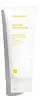 Key Ingredients
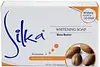
Benefits
Concerns
Ingredients Side-by-side
Water
Skin ConditioningGlycerin
Humectant


Stearic Acid
Cleansing


Lauric Acid
Cleansing

Myristic Acid
Cleansing
Potassium Hydroxide
BufferingGlyceryl Stearate Se
Emulsifying
1,2-Hexanediol
Skin Conditioning
Coptis Japonica Root Extract
Skin ConditioningCaprylyl Glycol
Emollient
Polyquaternium-7
Ethylhexylglycerin
Skin ConditioningButylene Glycol
Humectant
Disodium EDTA
ChelatingCitrus Aurantium Dulcis Peel Oil
Masking

Gold
Cosmetic ColorantCananga Odorata Flower Oil
Masking


Pogostemon Cablin Leaf Oil
Masking
Butyrospermum Parkii Butter
Skin Conditioning
Panax Ginseng Root Extract
Emollient

Oryza Sativa Bran Extract
Skin Conditioning
Acanthopanax Sessiliflorus Bark Extract
Skin ConditioningArtemisia Princeps Extract
Skin Conditioning
Centella Asiatica Leaf Water
Skin Conditioning
Cnidium Officinale Root Extract
Skin ConditioningEpimedium Koreanum Extract
AntimicrobialGlycyrrhiza Uralensis Root Extract
Skin Conditioning
Luffa Cylindrica Fruit Water
MaskingMentha Arvensis Leaf Extract
MaskingPlantago Asiatica Extract
Skin ConditioningSophora Flavescens Extract
Skin ConditioningUlmus Campestris Bark Extract
AstringentPropanediol
Solvent
Camellia Sinensis Leaf Extract
Antimicrobial




Ascorbic Acid
Antioxidant


Niacinamide
Smoothing

Sodium Hyaluronate
Humectant
Hydrolyzed Pea Protein
EmollientPhytosterols
Skin Conditioning
Lecithin
Emollient
Olea Europaea Fruit Oil
Masking
Squalane
Emollient
Hydroxypropyltrimonium Hyaluronate
Ceramide NP
Skin Conditioning
Hydrolyzed Hyaluronic Acid
Humectant
Sodium Acetylated Hyaluronate
Humectant
Hyaluronic Acid
Humectant
Sodium Hyaluronate Crosspolymer
Humectant
Potassium Hyaluronate
Skin ConditioningSodium Benzoate
Masking
Limonene
Perfuming
Water, Glycerin, Stearic Acid, Lauric Acid, Myristic Acid, Potassium Hydroxide, Glyceryl Stearate Se, 1,2-Hexanediol, Coptis Japonica Root Extract, Caprylyl Glycol, Polyquaternium-7, Ethylhexylglycerin, Butylene Glycol, Disodium EDTA, Citrus Aurantium Dulcis Peel Oil, Gold, Cananga Odorata Flower Oil, Pogostemon Cablin Leaf Oil, Butyrospermum Parkii Butter, Panax Ginseng Root Extract, Oryza Sativa Bran Extract, Acanthopanax Sessiliflorus Bark Extract, Artemisia Princeps Extract, Centella Asiatica Leaf Water, Cnidium Officinale Root Extract, Epimedium Koreanum Extract, Glycyrrhiza Uralensis Root Extract, Luffa Cylindrica Fruit Water, Mentha Arvensis Leaf Extract, Plantago Asiatica Extract, Sophora Flavescens Extract, Ulmus Campestris Bark Extract, Propanediol, Camellia Sinensis Leaf Extract, Ascorbic Acid, Niacinamide, Sodium Hyaluronate, Hydrolyzed Pea Protein, Phytosterols, Lecithin, Olea Europaea Fruit Oil, Squalane, Hydroxypropyltrimonium Hyaluronate, Ceramide NP, Hydrolyzed Hyaluronic Acid, Sodium Acetylated Hyaluronate, Hyaluronic Acid, Sodium Hyaluronate Crosspolymer, Potassium Hyaluronate, Sodium Benzoate, Limonene





Ingredients Explained
These ingredients are found in both products.
Ingredients higher up in an ingredient list are typically present in a larger amount.
This ingredient is also known as shea butter. It is a plant-derived extract from the nuts of the Africa shea tree and one of the most well-studied emollients.
Because it has a high concentration of fatty acids (primarily oleic, stearic, and linoleic) it is able to form a protective barrier on the skin's surface. This helps seal in moisture and prevents transepidermal water loss (TEWL).
In vitro research found an increase in skin hydration by 58% and a decrease in TEWL by 37.8% after 24 hours of applying this ingredient (pretty impressive for a single ingredient!).
Besides hydration, shea butter also contains triterpenes that have anti-inflammatory potential. In particule, lupeol cinnamate has shown the highest anti-inflammatory activity in vivo.
Shea butter also contains vitamins A and E which may contribute to antioxidant activity.
While Shea Butter has an SPF rating of about 3-4, it is not a sunscreen replacement.
This ingredient may not be fungal acne safe because its fatty acids fall within the C11-C24 range that the Malassezia yeast can metabolize.
This ingredient shows up on a lot of "pore-clogging" lists but there's no real evidence behind that. It doesn't even have a comedogenic rating from an actual study; the numbers you'll find online come from blogs citing other blogs.
Ratings for other ingredients mostly come from a 1980s rabbit ear test. This test doesn't translate well to human skin or to real products because the ingredient sits at a much lower percentage.
Some people still find it breaks them out. So if that's you, definitely trust your skin. Just know this one's based on experience and not evidence.
Learn more about Butyrospermum Parkii ButterNiacinamide is a multitasking form of vitamin B3 that strengthens the skin barrier, reduces pores and dark spots, regulates oil, and improves signs of aging.
And the best part? It's gentle and well-tolerated by most skin types, including sensitive and reactive skin.
You might have heard of "niacin flush", or the reddening of skin that causes itchiness. Niacinamide has not been found to cause this.
In very rare cases, some individuals may not be able to tolerate niacinamide at all or experience an allergic reaction to it.
If you are experiencing flaking, irritation, and dryness with this ingredient, be sure to double check all your products as this ingredient can be found in all categories of skincare.
When incorporating niacinamide into your routine, look out for concentration amounts. Typically, 5% niacinamide provides benefits such as fading dark spots. However, if you have sensitive skin, it is better to begin with a smaller concentration.
When you apply niacinamide to your skin, your body converts it into nicotinamide adenine dinucleotide (NAD). NAD is an essential coenzyme that is already found in your cells as "fuel" and powers countless biological processes.
In your skin, NAD helps repair cell damage, produce new healthy cells, support collagen production, strengthen the skin barrier, and fight environmental stressors (like UV and pollution).
Our natural NAD levels start to decline with age, leading to slower skin repair, visible aging, and a weaker skin barrier. By providing your skin niacinamide, you're recharging your skin's NAD levels. This leads to stronger, healthier, and younger looking skin.
Another name for vitamin B3 is nicotinamide. This vitamin is water-soluble and our bodies don't store it. We obtain Vitamin B3 from either food or skincare. Meat, fish, wheat, yeast, and leafy greens contain vitamin B3.
The type of niacinamide used in skincare is synthetically created.
Learn more about Niacinamide

