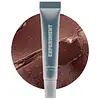
This lip moisturizer is formulated around Squalane and Petrolatum to hydrate lips.
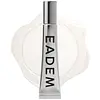
This smoothing lip moisturizer is formulated around Butyrospermum Parkii Butter and Lactic Acid to refine skin texture and hydrate lips.

What's inside
What's inside
 Key Ingredients
Benefits
Concerns
Ingredients Side-by-side
Squalane
Emollient


Petrolatum
Emollient


Ethylene/Propylene/Styrene Copolymer
Water
Skin ConditioningPunica Granatum Sterols
Skin Conditioning

Phytosteryl/Isostearyl/Cetyl/Stearyl/Behenyl Dimer Dilinoleate
Skin Conditioning
Octyldodecanol
Emollient
Glycerin
Humectant
Polyglyceryl-2 Diisostearate
Emulsifying
Euphorbia Cerifera Wax
Silica Silylate
Emollient
Calcium Sodium Borosilicate
Butylene/Ethylene/Styrene Copolymer
Iron Oxides
Mica
Cosmetic ColorantMethylpropanediol
SolventHydroxycaprylic Acid
Skin ConditioningPhenoxyethanol
Preservative
Pentaerythrityl Tetra-Di-T-Butyl Hydroxyhydrocinnamate
Antioxidant
Caprylyl Glycol
Emollient
Titanium Dioxide
Cosmetic Colorant

Tin Oxide
Abrasive
Tocopherol
Antioxidant



Tetramethylcyclotetrasiloxane

Cyclopentasiloxane
Emollient
Squalane, Petrolatum, Ethylene/Propylene/Styrene Copolymer, Water, Punica Granatum Sterols, Phytosteryl/Isostearyl/Cetyl/Stearyl/Behenyl Dimer Dilinoleate, Octyldodecanol, Glycerin, Polyglyceryl-2 Diisostearate, Euphorbia Cerifera Wax, Silica Silylate, Calcium Sodium Borosilicate, Butylene/Ethylene/Styrene Copolymer, Iron Oxides, Mica, Methylpropanediol, Hydroxycaprylic Acid, Phenoxyethanol, Pentaerythrityl Tetra-Di-T-Butyl Hydroxyhydrocinnamate, Caprylyl Glycol, Titanium Dioxide, Tin Oxide, Tocopherol, Tetramethylcyclotetrasiloxane, Cyclopentasiloxane
Hydrogenated Polyisobutene
EmollientDiisostearyl Malate
EmollientTridecyl Trimellitate
EmollientPhytosteryl/Isostearyl/Cetyl/Stearyl/Behenyl Dimer Dilinoleate
Skin Conditioning
Bis-Diglyceryl Polyacyladipate-2
Emollient
Methyl Hydrogenated Rosinate
Perfuming

Polyphenylsilsesquioxane
Pentaerythrityl Tetraisostearate
Emollient
Ethylene/Propylene/Styrene Copolymer
Synthetic Wax
Abrasive
Silica Silylate
Emollient
Vp/Hexadecene Copolymer
Hibiscus Sabdariffa Flower Extract
Skin ConditioningButyrospermum Parkii Butter
Skin Conditioning

Euterpe Oleracea Fruit Oil
Skin Conditioning
Schinziophyton Rautanenii Kernel Oil
Emollient
Tocopherol
Antioxidant
Microcrystalline Wax
Emulsion StabilisingMoringa Oil/Hydrogenated Moringa Oil Esters
Skin Conditioning
Isostearyl Alcohol
Emollient
Water
Skin ConditioningEthylhexyl Palmitate
Emollient
Octyldodecanol
Emollient
Caprylic/Capric Triglyceride
Masking
Tribehenin
Emollient
Sorbitan Isostearate
Emulsifying
Propylene Carbonate
SolventStearalkonium Hectorite
Gel FormingLactic Acid
Buffering


Palmitoyl Hexapeptide-12
Skin Conditioning
Palmitoyl Tripeptide-1
Skin Conditioning
Butylene/Ethylene/Styrene Copolymer
Pentaerythrityl Tetra-Di-T-Butyl Hydroxyhydrocinnamate
Antioxidant
Aroma
Linalool
Perfuming
Cinnamyl Alcohol
Perfuming
Linalyl Acetate
Masking
Vanillin
Masking
Silica
Abrasive
Calcium Aluminum Borosilicate
Mica
Cosmetic ColorantTin Oxide
Abrasive
Iron Oxides
CI 77891
Cosmetic ColorantCI 15850
Cosmetic ColorantCI 45410
Cosmetic ColorantCI 19140
Cosmetic ColorantCI 15985
Cosmetic ColorantCI 42090
Cosmetic ColorantHydrogenated Polyisobutene, Diisostearyl Malate, Tridecyl Trimellitate, Phytosteryl/Isostearyl/Cetyl/Stearyl/Behenyl Dimer Dilinoleate, Bis-Diglyceryl Polyacyladipate-2, Methyl Hydrogenated Rosinate, Polyphenylsilsesquioxane, Pentaerythrityl Tetraisostearate, Ethylene/Propylene/Styrene Copolymer, Synthetic Wax, Silica Silylate, Vp/Hexadecene Copolymer, Hibiscus Sabdariffa Flower Extract, Butyrospermum Parkii Butter, Euterpe Oleracea Fruit Oil, Schinziophyton Rautanenii Kernel Oil, Tocopherol, Microcrystalline Wax, Moringa Oil/Hydrogenated Moringa Oil Esters, Isostearyl Alcohol, Water, Ethylhexyl Palmitate, Octyldodecanol, Caprylic/Capric Triglyceride, Tribehenin, Sorbitan Isostearate, Propylene Carbonate, Stearalkonium Hectorite, Lactic Acid, Palmitoyl Hexapeptide-12, Palmitoyl Tripeptide-1, Butylene/Ethylene/Styrene Copolymer, Pentaerythrityl Tetra-Di-T-Butyl Hydroxyhydrocinnamate, Aroma, Linalool, Cinnamyl Alcohol, Linalyl Acetate, Vanillin, Silica, Calcium Aluminum Borosilicate, Mica, Tin Oxide, Iron Oxides, CI 77891, CI 15850, CI 45410, CI 19140, CI 15985, CI 42090
Reviews
Ingredients Explained
These ingredients are found in both products.
Ingredients higher up in an ingredient list are typically present in a larger amount.
This ingredient is a high-molecular weight synthetic polymer. It is used to modify the viscosity of a formula, improve slip, and create a more "cushiony" texture.
Due to its large molecular size, this ingredient is not absorbed into the skin.
This is a synthetic polymer used to thicken formulas, improve texture, and enhance spreadability.
Due to its large molecule size, this ingredient does not penetrate the skin and is considered well-tolerated.
Mica is a naturally occurring mineral used to add shimmer and color in cosmetics. It can also help improve the texture of a product or give it an opaque, white/silver color.
Serecite is the name for very fine but ragged grains of mica.
This ingredient is often coated with metal oxides like titanium dioxide. Trace amounts of heavy metals may be found in mica, but these metals are not harmful in our personal products.
Mica has been used since prehistoric times throughout the world. Ancient Egyptian, Indian, Greek, Roman, Aztec, and Chinese civilizations have used mica.
Learn more about MicaOctyldodecanol is a fatty alcohol sourced from plant oils like coconut or palm (or made synthetically).
It is:
You'll likely see this in many BHA products because this is the go-to solvent for salicylic acid.
This ingredient is typically used at levels between 2-20%.
Regarding fungal acne:
In 2019, this ingredient was tested against multiple Malassezia species (the yeast that causes fungal acne) and showed no growth.
Pentaerythrityl Tetra-Di-T-Butyl Hydroxyhydrocinnamate (long name, huh?) is a synthetic antioxidant.
It is used to help stabilize other antioxidants or prevent the color from changing in a product.
As an antioxidant, it helps fight free-radical molecules. Free-radical molecules are capable of damaging our cells and other genetic material. Thus, antioxidants may reduce the signs of aging.
This ingredient is oil-soluble.
Learn more about Pentaerythrityl Tetra-Di-T-Butyl HydroxyhydrocinnamateThis is a plant-derived ester that functions as a skin conditioner. It's basically a two linoleic acid molecules combined with fatty alcohols.
In practice, it works as a rich emollient that helps reduce moisture loss and give skin a soft appearance.
The phytosterol part of this ingredient brings an added structural bonus: phytosterols are structurally similar to cholesterol so they can fit right into the stratum corneum's lipid matrix to help reinforce the skin barrier.
Due to its molecular structure, this ingredient delivers a cushiony and glossy feeling without being excessively greasy.
It did not produce skin irritation or sensitization in clinical studies, and this ingredient is deemed safe to use in cosmetics at current practices.
Because this ingredient contains C16, C18, and C22 fatty chains, it may not be Malassezia/fungal acne safe. The Malassezia yeast potentially feeds on fatty acids in the C11-C24 range.
Learn more about Phytosteryl/Isostearyl/Cetyl/Stearyl/Behenyl Dimer DilinoleateSilica Silylate is a siloxane polymer, meaning it is made up of silicon and oxygen atoms. It is not soluble in water.
This ingredient is a white powder with oil-absorbing, emollient, and anticaking properties.
Tin Oxide is an inorganic oxide used to add opacity and volume to a product. In nature, it is already found in mineral form. The main ore of tin is an opaque and shiny mineral called casseterite.
Tin Oxide helps remove translucency in a product, or make it more opaque. Besides adding opacity, tin oxide is used for bulking to add volume.
Tocopherol is a fat-soluble antioxidant known as Vitamin E.
You'll find this ingredient in the vast majority of skincare (for good reason). It works to neutralize free radicals, or unstable molecules generated by UV exposure, pollution, and other environmental stressors, before they can cause oxidative damage to your skin cells.
Topically applied tocopherol has been shown to protect against UV damage by ramping up the skin's own natural defense enzymes.
It also acts as a skin conditioning agent; some studies show that regular topical use can improve the skin's water-binding capacity over 2-4 weeks.
This ingredient is especially loved for being a team player. When combined with Vitamin C, the photoprotective effect of both ingredients roughly doubles and the combo also helps reduce UV-induced DNA damage.
This ingredient has some brightening potential but it's more of a prevention ingredient than spot-fader. Cell studies show it can slow down melanin production but it's worth noting that it's not the most powerful brightener out there.
In formulations, it also serves as a stabilizer that helps protect other oxidation-prone ingredients from degrading.
Concentrations usually range from 0.1-1% in most leave-on products.
Learn more about TocopherolWater. It's the most common cosmetic ingredient of all. You'll usually see it at the top of ingredient lists, meaning that it makes up the largest part of the product.
So why is it so popular? Water most often acts as a solvent - this means that it helps dissolve other ingredients into the formulation.
You'll also recognize water as that liquid we all need to stay alive. If you see this, drink a glass of water. Remember to stay hydrated!
Learn more about WaterThis ingredient is a combination of red, black, and yellow iron oxide pigments. This combination of colors is usually found in foundation, because it results in a "skin" color.
The EU typically uses CI numbers for colorants when applicable, such as CI 77489. In the US, iron oxides are regulated as color additives and "iron oxides" is the most commonly used name in US cosmetic practice.
A 2021 paper looked at skincare formulations containing iron oxides and found that they reduced transmission of blue light when measured optically. In simple terms, the pigment particles helped block or scatter part of the visible light spectrum in lab testing and the authors suggest this could translate into better protection against blue-light-related skin effects.
There is also clinical and experimental research showing that tinted products containing iron oxides can reduce visible light-induced pigmentation:
Please note, whether a product reduces visible or blue light depends on things like:
In the EU's CosIng database, iron oxides are only listed as a colorant. CosIng groups ingredients by their main cosmetic role, such as colorant, preservative, or UV filter.
Though studies say iron oxides can "attenuate blue light", they're describing an optical property and not an officially recognized cosmetic function.
So CosIng isn’t contradicting the research. It’s just classifying iron oxides by what they officially are: pigments that add color.
Learn more about Iron Oxides

