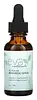
This hydrating serum is formulated around Simmondsia Chinensis Seed Oil and Rosa Canina Fruit Oil to hydrate skin and strengthen the skin barrier.
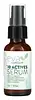
This brightening serum is formulated around Sodium Ascorbyl Phosphate and Alpha-Arbutin to brighten dull-looking skin and fade the look of dark spots.

What's inside
What's inside
 Key Ingredients
Benefits
Concerns
Ingredients Side-by-side
Simmondsia Chinensis Seed Oil
Emollient





Corylus Avellana Seed Oil
Emollient
Rosa Canina Fruit Oil
Emollient
Squalane
Emollient
Calophyllum Inophyllum Seed Oil
Antimicrobial


Punica Granatum Seed Oil
Emollient
Rubus Idaeus Seed Oil
Emollient
Carica Papaya Seed Oil
Humectant

Fragaria Ananassa Seed Oil
Antioxidant
Limnanthes Alba Seed Oil
Skin Conditioning
Vaccinium Macrocarpon Seed Oil
Skin Conditioning
Daucus Carota Sativa Seed Oil
Emollient
Opuntia Ficus-Indica Seed Oil
Emollient
Curcuma Longa Root Oil
Perfuming


Pelargonium Graveolens Leaf Oil
Cymbopogon Schoenanthus Oil
Masking
Monarda Fistulosa
Skin ConditioningRosa Damascena Flower Extract
Masking
Rosa Damascena Flower Wax
MaskingBeeswax
Emulsion Stabilising
Simmondsia Chinensis Seed Oil, Corylus Avellana Seed Oil, Rosa Canina Fruit Oil, Squalane, Calophyllum Inophyllum Seed Oil, Punica Granatum Seed Oil, Rubus Idaeus Seed Oil, Carica Papaya Seed Oil, Fragaria Ananassa Seed Oil, Limnanthes Alba Seed Oil, Vaccinium Macrocarpon Seed Oil, Daucus Carota Sativa Seed Oil, Opuntia Ficus-Indica Seed Oil, Curcuma Longa Root Oil, Pelargonium Graveolens Leaf Oil, Cymbopogon Schoenanthus Oil, Monarda Fistulosa, Rosa Damascena Flower Extract, Rosa Damascena Flower Wax, Beeswax
Water
Skin ConditioningSantalum Austrocaledonicum Wood Water
Skin ConditioningAloe Barbadensis Leaf Juice
Skin Conditioning
Hydroxypropyl Starch Phosphate
Helianthus Annuus Seed Oil
Emollient
Glycerin
Humectant
Ethylhexyl Palmitate
Emollient
Glyceryl Stearate
Emollient
Sodium Ascorbyl Phosphate
Antioxidant



Alpha-Arbutin
Antioxidant

Undaria Pinnatifida Cell Culture Extract
Skin ConditioningNiacinamide
Smoothing


Cocos Nucifera Oil
Masking
Phenoxyethanol
Preservative
Astaxanthin
Skin Conditioning
Theobroma Cacao Seed Butter
Emollient
Beeswax
Emulsion Stabilising
Cetyl Alcohol
Emollient
Potassium Stearate
CleansingTocopheryl Acetate
Antioxidant
Simmondsia Chinensis Seed Oil
Emollient
Tanacetum Annuum Flower Oil
Masking
Hydrangea Arborescens Root Extract
Skin ConditioningCurcuma Longa Rhizome Extract
Skin ConditioningPrunus Virginiana Bark Extract
Skin ConditioningUbiquinone
Antioxidant
Ethylhexylglycerin
Skin ConditioningSodium Carbomer
Emulsion StabilisingPanthenol
Skin Conditioning
Caesalpinia Spinosa Gum
Skin ConditioningAlcohol
Antimicrobial

Glycyrrhiza Glabra Root Extract
Bleaching
Potassium Sorbate
Preservative
Sodium Benzoate
Masking
Water, Santalum Austrocaledonicum Wood Water, Aloe Barbadensis Leaf Juice, Hydroxypropyl Starch Phosphate, Helianthus Annuus Seed Oil, Glycerin, Ethylhexyl Palmitate, Glyceryl Stearate, Sodium Ascorbyl Phosphate, Alpha-Arbutin, Undaria Pinnatifida Cell Culture Extract, Niacinamide, Cocos Nucifera Oil, Phenoxyethanol, Astaxanthin, Theobroma Cacao Seed Butter, Beeswax, Cetyl Alcohol, Potassium Stearate, Tocopheryl Acetate, Simmondsia Chinensis Seed Oil, Tanacetum Annuum Flower Oil, Hydrangea Arborescens Root Extract, Curcuma Longa Rhizome Extract, Prunus Virginiana Bark Extract, Ubiquinone, Ethylhexylglycerin, Sodium Carbomer, Panthenol, Caesalpinia Spinosa Gum, Alcohol, Glycyrrhiza Glabra Root Extract, Potassium Sorbate, Sodium Benzoate
Ingredients Explained
These ingredients are found in both products.
Ingredients higher up in an ingredient list are typically present in a larger amount.
Beeswax is natural wax produced by honey bees to build their honeycomb.
Because it forms a protective layer on your skin, it can help lock in moisture and reduce water loss. It is also widely used as a thickener and emulsifier in lip balms and lotions. Research suggests beeswax containing moisturizers can support skin barrier integrity.
In comedogenic testing, Beeswax scored a 0-2, which is on the low end. Whether or not a product clogs your pores really comes down to the formula as a whole (not any single ingredient on its own) and your skin.
Cera Alba is the white, bleached form of this ingredient.
Just so you know, beeswax is not vegan since it is animal-derived. It cannot be removed with water, but can be taken off with an oil cleanser.
People with a known Propolis allergy also report to have reactions from beeswax.
Beeswax's wax esters are derived primarily from palmitic and oleic acid (C16 and C18:1). Both of these fall within the C11-C24 feeding window.
The Malassezia yeast can potentially cleave these esters and release usable fatty acids, so this ingredient may not be fungal acne safe. However, not everyone will react to this ingredient.
Learn more about BeeswaxJojoba oil is one of the most well-studied plant-derived ingredients in cosmetics. It is an emollient with a special structure.
Because it is made up of 97-98% wax esters, it closely mirrors the linear monoesters found in human sebum. This makes it skin compatible, non-greasy, and lightweight.
Unlike other plant oils, jojoba wax doesn't easily penetrate skin. It mostly works in the uppermost layers as an emollient. This just means it forms a light barrier on the skin to help retain moisture.
Formulations with jojoba esters up to 90% reduced transepidermal water loss (TEWL) and increased barrier recovery by 81% (outperforming bisabolol at 47%).
Besides barrier support, the science also suggests jojoba to have anti-inflammatory effects and potential applications for skin infections, aging, and wound healing.
Fun fact: Indigenous cultures have used jojoba as a moisturizer and to help treat burns for centuries.
Fungal acne: The Malassezia yeast is known to metabolize fatty acids in the C11-24 range and jojoba's dominant fatty acid components fall into this range. This ingredient may not be fungal acne safe.
Learn more about Simmondsia Chinensis Seed Oil

