

What's inside
What's inside
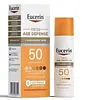 Key Ingredients
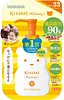
Benefits
Concerns
Ingredients Side-by-side
Butyl Methoxydibenzoylmethane 3%
UV Absorber
Homosalate 10%
Skin Conditioning
Ethylhexyl Salicylate 5%
UV Absorber
Octocrylene 10%
UV Absorber

Water
Skin ConditioningAlcohol Denat.
Antimicrobial


Butyloctyl Salicylate
Skin Conditioning
Silica
Abrasive


C12-15 Alkyl Benzoate
AntimicrobialPolyglyceryl-6 Stearate
Emollient
Sodium Stearoyl Glutamate
CleansingDiisostearoyl Polyglyceryl-3 Dimer Dilinoleate
Emollient
Behenyl Alcohol
Emollient
Butylene Glycol Dicaprylate/Dicaprate
EmollientCetearyl Alcohol
Emollient


Copernicia Cerifera Wax
Dibutyl Adipate
EmollientGlycyrrhiza Inflata Root Extract
Skin Conditioning
Glycyrrhetinic Acid
Skin Conditioning
Sodium Hyaluronate
Humectant



Carnitine
Cleansing
Sodium Ascorbyl Phosphate
Antioxidant




Hydroxyacetophenone
Antioxidant
Diethylhexyl Syringylidenemalonate
Skin ProtectingDimethicone
Emollient
Silica Dimethyl Silylate
EmollientEthylcellulose
Glyceryl Behenate
Emollient
Polyglyceryl-6 Octastearate
EmulsifyingGlycerin
Humectant
Phenoxyethanol
Preservative
Xanthan Gum
EmulsifyingEthylhexylglycerin
Skin ConditioningPolyglyceryl-6 Behenate
Emulsion Stabilising
Cetyl Alcohol
Emollient
Cellulose Gum
Emulsion Stabilising1,2-Hexanediol
Skin Conditioning
Caprylyl Glycol
Emollient
Sodium Polyacrylate
Absorbent
Disodium EDTA
Iron Oxides
Butyl Methoxydibenzoylmethane 3%, Homosalate 10%, Ethylhexyl Salicylate 5%, Octocrylene 10%, Water, Alcohol Denat., Butyloctyl Salicylate, Silica, C12-15 Alkyl Benzoate, Polyglyceryl-6 Stearate, Sodium Stearoyl Glutamate, Diisostearoyl Polyglyceryl-3 Dimer Dilinoleate, Behenyl Alcohol, Butylene Glycol Dicaprylate/Dicaprate, Cetearyl Alcohol, Copernicia Cerifera Wax, Dibutyl Adipate, Glycyrrhiza Inflata Root Extract, Glycyrrhetinic Acid, Sodium Hyaluronate, Carnitine, Sodium Ascorbyl Phosphate, Hydroxyacetophenone, Diethylhexyl Syringylidenemalonate, Dimethicone, Silica Dimethyl Silylate, Ethylcellulose, Glyceryl Behenate, Polyglyceryl-6 Octastearate, Glycerin, Phenoxyethanol, Xanthan Gum, Ethylhexylglycerin, Polyglyceryl-6 Behenate, Cetyl Alcohol, Cellulose Gum, 1,2-Hexanediol, Caprylyl Glycol, Sodium Polyacrylate, Disodium EDTA, Iron Oxides
Water
Skin ConditioningPropylene Glycol
Humectant
Ethylhexyl Methoxycinnamate
UV Absorber
Macadamia Ternifolia Seed Oil
Emollient
Diethylamino Hydroxybenzoyl Hexyl Benzoate
UV Filter
Trehalose
Humectant
Sodium Hyaluronate
Humectant
Simmondsia Chinensis Seed Oil
Emollient
Malpighia Emarginata Fruit Extract
Skin ConditioningAloe Barbadensis Leaf Extract
Emollient
Rubus Idaeus Extract
Skin ProtectingAcrylates/C10-30 Alkyl Acrylate Crosspolymer
Emulsion StabilisingPolyglyceryl-10 Stearate
Skin Conditioning
Potassium Hydroxide
BufferingDisodium EDTA
BHT
Antioxidant
Butylene Glycol
Humectant
Water, Propylene Glycol, Ethylhexyl Methoxycinnamate, Macadamia Ternifolia Seed Oil, Diethylamino Hydroxybenzoyl Hexyl Benzoate, Trehalose, Sodium Hyaluronate, Simmondsia Chinensis Seed Oil, Malpighia Emarginata Fruit Extract, Aloe Barbadensis Leaf Extract, Rubus Idaeus Extract, Acrylates/C10-30 Alkyl Acrylate Crosspolymer, Polyglyceryl-10 Stearate, Potassium Hydroxide, Disodium EDTA, BHT, Butylene Glycol
Reviews
Ingredients Explained
These ingredients are found in both products.
Ingredients higher up in an ingredient list are typically present in a larger amount.
Disodium EDTA is a chelating agent. It grabs onto and deactivates metal ions that sneak into your products from water, packaging, or air.
This ingredient mainly works behind the scenes and helps with:
On top of that, this ingredient can counteract the effects of hard water by binding to the minerals in it.
One thing worth knowing is that Disodium EDTA has been shown to be a mild penetration enhancer. It can help other ingredients absorb into skin more effectively which can be a double-edged sword (great for actives, but can also make the active too strong if you have sensitive skin).
Clinical patch testing showed no significant skin irritation at typical use concentrations and minimal dermal absorption.
You'll most likely see this ingredient near the end of an ingredient list. It's typically found in concentrations less than 1%.
Learn more about Disodium EDTASodium Hyaluronate is the salt form of hyaluronic acid. It is a long sugar chain that is naturally found in your skin, joints, and connective tissue that maintains hydration and elasticity.
In skincare, it works as a humectant. It pulls water from the environment and deeper layers of skin and binds it to the surface.
Interestingly, the size of the molecule affects its behavior:
Some clinical evidence links low molecular weight versions to improved wrinkle depth, elasticity, anti-inflammatory effects, and barrier repair.
Many serums use a blend of both weights so you can get surface hydration plus longer-lasting and deeper effects.
You'll typically see concentrations between 0.1-2% for this ingredient.
Learn more about Sodium HyaluronateWater. It's the most common cosmetic ingredient of all. You'll usually see it at the top of ingredient lists, meaning that it makes up the largest part of the product.
So why is it so popular? Water most often acts as a solvent - this means that it helps dissolve other ingredients into the formulation.
You'll also recognize water as that liquid we all need to stay alive. If you see this, drink a glass of water. Remember to stay hydrated!
Learn more about Water
