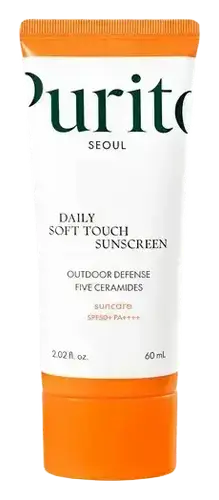
This chemical sunscreen covers most of the UV range, lighter on the deep UVA that drives aging.
This chemical sunscreen covers most of the UV range, lighter on the deep UVA that drives aging.


What's inside
What's inside
 Key Ingredients
Benefits
Concerns
Ingredients Side-by-side
Water
Skin ConditioningPropylene Glycol
Humectant


Ethylhexyl Methoxycinnamate
UV Absorber


Macadamia Ternifolia Seed Oil
Emollient

Diethylamino Hydroxybenzoyl Hexyl Benzoate
UV Filter
Trehalose
Humectant

Sodium Hyaluronate
Humectant

Simmondsia Chinensis Seed Oil
Emollient
Malpighia Emarginata Fruit Extract
Skin ConditioningAloe Barbadensis Leaf Extract
Emollient
Rubus Idaeus Extract
Skin ProtectingAcrylates/C10-30 Alkyl Acrylate Crosspolymer
Emulsion StabilisingPolyglyceryl-10 Stearate
Skin Conditioning
Potassium Hydroxide
BufferingDisodium EDTA
BHT
Antioxidant
Butylene Glycol
Humectant
Water, Propylene Glycol, Ethylhexyl Methoxycinnamate, Macadamia Ternifolia Seed Oil, Diethylamino Hydroxybenzoyl Hexyl Benzoate, Trehalose, Sodium Hyaluronate, Simmondsia Chinensis Seed Oil, Malpighia Emarginata Fruit Extract, Aloe Barbadensis Leaf Extract, Rubus Idaeus Extract, Acrylates/C10-30 Alkyl Acrylate Crosspolymer, Polyglyceryl-10 Stearate, Potassium Hydroxide, Disodium EDTA, BHT, Butylene Glycol
Butyl Methoxydibenzoylmethane 3%
UV Absorber
Homosalate 9%
Skin Conditioning
Ethylhexyl Salicylate 4.5%
UV Absorber
Octocrylene 5%
UV Absorber
Water
Skin ConditioningDipropylene Glycol
HumectantMethyl Methacrylate Crosspolymer

Glyceryl Polymethacrylate
Propylene Glycol
Humectant
Acrylates Copolymer
Butyloctyl Salicylate
Skin Conditioning
Ceteareth-20
CleansingEthylhexyl Methoxycrylene
Skin Conditioning
Polysorbate 60
Emulsifying
Sorbitan Stearate
Emulsifying
Caprylyl Glycol
Emollient
Cetearyl Olivate
Panthenol
Skin Conditioning
Sorbitan Olivate
Emulsifying
Acrylates/C10-30 Alkyl Acrylate Crosspolymer
Emulsion StabilisingEthylhexylglycerin
Skin ConditioningTromethamine
BufferingSodium Acrylate/Sodium Acryloyldimethyl Taurate Copolymer
Emulsion Stabilising1,2-Hexanediol
Skin Conditioning
Isohexadecane
EmollientAmmonium Acryloyldimethyltaurate/Vp Copolymer
BHT
Antioxidant
Butylene Glycol
Humectant
Polysorbate 80
Emulsifying
Trisodium Ethylenediamine Disuccinate
Sorbitan Oleate
Emulsifying
Xanthan Gum
EmulsifyingOenanthe Javanica Extract
AntimicrobialButyl Methoxydibenzoylmethane 3%, Homosalate 9%, Ethylhexyl Salicylate 4.5%, Octocrylene 5%, Water, Dipropylene Glycol, Methyl Methacrylate Crosspolymer, Glyceryl Polymethacrylate, Propylene Glycol, Acrylates Copolymer, Butyloctyl Salicylate, Ceteareth-20, Ethylhexyl Methoxycrylene, Polysorbate 60, Sorbitan Stearate, Caprylyl Glycol, Cetearyl Olivate, Panthenol, Sorbitan Olivate, Acrylates/C10-30 Alkyl Acrylate Crosspolymer, Ethylhexylglycerin, Tromethamine, Sodium Acrylate/Sodium Acryloyldimethyl Taurate Copolymer, 1,2-Hexanediol, Isohexadecane, Ammonium Acryloyldimethyltaurate/Vp Copolymer, BHT, Butylene Glycol, Polysorbate 80, Trisodium Ethylenediamine Disuccinate, Sorbitan Oleate, Xanthan Gum, Oenanthe Javanica Extract
Reviews
Ingredients Explained
These ingredients are found in both products.
Ingredients higher up in an ingredient list are typically present in a larger amount.
Acrylates/C10-30 Alkyl Acrylate Crosspolymer is a synthetic polymer. It is used to thicken, emulsify, and improve the texture of products.
As an emulsifier, it helps stabilize oil-in-water emulsions to give products an elegant feel when applied.
It can also form a thin protective film on skin. One study found that a formula using this polymer helped slow down how quickly other ingredients (like DEET) were absorbed through skin.
A 2024 study of over 1,300 patients confirmed that sensitization to this ingredient is rare. It is also non-mutagenic and has a clean track record.
Learn more about Acrylates/C10-30 Alkyl Acrylate CrosspolymerBHT is a synthetic antioxidant and preservative.
As an antioxidant, it helps your body fight off free-radicals. Free-radicals are molecules that may damage your skin cells.
As a preservative, it is used to stabilize products and prevent them from degrading. Specifically, BHT prevents degradation from oxidation.
The concerns related to BHT come from oral studies; this ingredient is currently allowed for use by both the FDA and EU.
However, it was recently restricted for use in the UK as of April 2024.
Learn more about BHTButylene Glycol (or BG) is used within cosmetic products for a few different reasons:
Overall, Butylene Glycol is a safe and well-rounded ingredient that works well with other ingredients.
Though this ingredient works well with most skin types, some people with sensitive skin may experience a reaction such as allergic rashes, closed comedones, or itchiness.
Learn more about Butylene GlycolPropylene Glycol is a synthetic, colorless, odorless liquid that has been a staple in cosmetics for decades. It is a skin conditioning agent, humectant, and solvent.
As a humectant, it draw water to the skin to reduce flaking and restore suppleness. It's also a solvent that helps dissolve other actives and keeps formulas stable across temperature changes.
The CIR Expert Panel has confirmed this ingredient to be nontoxic and clinical studies show no sensitization at cosmetic use concentrations.
True allergic reactions are quite rare: a 15-year retrospective study of 6,751 patients found only 0.31% had a positive reaction (and less than half were considered clinically relevant).
It seemed that when sensitization does occur, it's most commonly linked to topical medication (like corticosteroids) and not cosmetics. Allergic contact dermatitis also appears largely limited to individuals with underlying skin conditions.
Overall, propylene glycol is a well-studied ingredient that most people can tolerate without issue.
Learn more about Propylene GlycolWater. It's the most common cosmetic ingredient of all. You'll usually see it at the top of ingredient lists, meaning that it makes up the largest part of the product.
So why is it so popular? Water most often acts as a solvent - this means that it helps dissolve other ingredients into the formulation.
You'll also recognize water as that liquid we all need to stay alive. If you see this, drink a glass of water. Remember to stay hydrated!
Learn more about Water