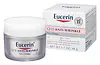
This anti-aging moisturizer is formulated around Butyrospermum Parkii Butter and Ubiquinone to soften the look of wrinkles and hydrate skin.
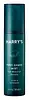
This calming toner is formulated around Aloe Barbadensis Leaf Juice and Silybum Marianum Fruit Extract to calm redness and hydrate skin.


What's inside
What's inside
 Key Ingredients
Benefits
Concerns
Ingredients Side-by-side
Water
Skin ConditioningGlycerin
Humectant


Ethylhexyl Cocoate
Emollient




Hydrogenated Coco-Glycerides
Emollient
Stearyl Alcohol
Emollient
Butylene Glycol
Humectant
Cetyl Alcohol
Emollient
Caprylic/Capric Triglyceride
Masking
Butyrospermum Parkii Butter
Skin Conditioning

Glyceryl Stearate Citrate
Emollient
Octyldodecanol
Emollient
Tocopheryl Acetate
Antioxidant


Ubiquinone
Antioxidant
Biotin
AntiseborrhoeicBiosaccharide Gum-1
Humectant
Sodium Ascorbyl Phosphate
Antioxidant



Zea Mays Oil
Emulsifying

Beta-Carotene
Skin ConditioningTocopherol
Antioxidant
1,2-Hexanediol
Skin Conditioning
Carbomer
Emulsion StabilisingSodium Hydroxide
BufferingTrisodium EDTA
ChelatingDehydroacetic Acid
Preservative
Phenoxyethanol
Preservative
Water, Glycerin, Ethylhexyl Cocoate, Hydrogenated Coco-Glycerides, Stearyl Alcohol, Butylene Glycol, Cetyl Alcohol, Caprylic/Capric Triglyceride, Butyrospermum Parkii Butter, Glyceryl Stearate Citrate, Octyldodecanol, Tocopheryl Acetate, Ubiquinone, Biotin, Biosaccharide Gum-1, Sodium Ascorbyl Phosphate, Zea Mays Oil, Beta-Carotene, Tocopherol, 1,2-Hexanediol, Carbomer, Sodium Hydroxide, Trisodium EDTA, Dehydroacetic Acid, Phenoxyethanol
Water
Skin ConditioningAloe Barbadensis Leaf Juice
Skin Conditioning
Isoceteth-20
EmulsifyingSodium Gluconate
ChelatingTocopherol
Antioxidant
Enteromorpha Compressa Extract
Skin Protecting
Silybum Marianum Fruit Extract
Skin Conditioning
Ocimum Sanctum Leaf Extract
Skin ConditioningSaccharide Isomerate
Humectant
Squalane
Emollient
Prunus Amygdalus Dulcis Oil
Skin Conditioning
Lavandula Angustifolia Oil
Masking


Mentha Piperita Oil
Masking
Rosmarinus Officinalis Leaf Oil
Masking
Pogostemon Cablin Leaf Oil
Masking
Mentha Viridis Leaf Oil
Astringent
Juniperus Mexicana Oil
Masking
Eucalyptus Globulus Leaf Oil
Perfuming
Melaleuca Alternifolia Leaf Oil
Antioxidant

Amodimethicone

Cetrimonium Chloride
Antimicrobial
Trideceth-10
CleansingPropanediol
Solvent
Camphor
Masking
Menthol
Masking
Citric Acid
Buffering
Gluconolactone
Chelating
Sodium Benzoate
Masking
Calcium Gluconate
HumectantSodium Citrate
BufferingLimonene
Perfuming
Linalool
Perfuming
Water, Aloe Barbadensis Leaf Juice, Isoceteth-20, Sodium Gluconate, Tocopherol, Enteromorpha Compressa Extract, Silybum Marianum Fruit Extract, Ocimum Sanctum Leaf Extract, Saccharide Isomerate, Squalane, Prunus Amygdalus Dulcis Oil, Lavandula Angustifolia Oil, Mentha Piperita Oil, Rosmarinus Officinalis Leaf Oil, Pogostemon Cablin Leaf Oil, Mentha Viridis Leaf Oil, Juniperus Mexicana Oil, Eucalyptus Globulus Leaf Oil, Melaleuca Alternifolia Leaf Oil, Amodimethicone, Cetrimonium Chloride, Trideceth-10, Propanediol, Camphor, Menthol, Citric Acid, Gluconolactone, Sodium Benzoate, Calcium Gluconate, Sodium Citrate, Limonene, Linalool
Alternatives
Ingredients Explained
These ingredients are found in both products.
Ingredients higher up in an ingredient list are typically present in a larger amount.
Tocopherol is a fat-soluble antioxidant known as Vitamin E.
You'll find this ingredient in the vast majority of skincare (for good reason). It works to neutralize free radicals, or unstable molecules generated by UV exposure, pollution, and other environmental stressors, before they can cause oxidative damage to your skin cells.
Topically applied tocopherol has been shown to protect against UV damage by ramping up the skin's own natural defense enzymes.
It also acts as a skin conditioning agent; some studies show that regular topical use can improve the skin's water-binding capacity over 2-4 weeks.
This ingredient is especially loved for being a team player. When combined with Vitamin C, the photoprotective effect of both ingredients roughly doubles and the combo also helps reduce UV-induced DNA damage.
This ingredient has some brightening potential but it's more of a prevention ingredient than spot-fader. Cell studies show it can slow down melanin production but it's worth noting that it's not the most powerful brightener out there.
In formulations, it also serves as a stabilizer that helps protect other oxidation-prone ingredients from degrading.
Concentrations usually range from 0.1-1% in most leave-on products.
Learn more about TocopherolWater. It's the most common cosmetic ingredient of all. You'll usually see it at the top of ingredient lists, meaning that it makes up the largest part of the product.
So why is it so popular? Water most often acts as a solvent - this means that it helps dissolve other ingredients into the formulation.
You'll also recognize water as that liquid we all need to stay alive. If you see this, drink a glass of water. Remember to stay hydrated!
Learn more about Water

