

What's inside
What's inside
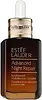 Key Ingredients
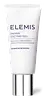
Benefits
Concerns
Ingredients Side-by-side
Water
Skin ConditioningBifida Ferment Lysate
Skin Conditioning



PEG-8
HumectantPropanediol
Solvent
Bis-PEG-18 Methyl Ether Dimethyl Silane
EmollientMethyl Gluceth-20
Humectant
Glycereth-26
Humectant
PEG-75
HumectantButylene Glycol
Humectant
Adansonia Digitata Seed Extract
Skin ConditioningTripeptide-32
Skin Conditioning
Sodium Hyaluronate
Humectant

Faex Extract
Skin ConditioningLactobacillus Ferment
Skin Conditioning
Cola Acuminata Seed Extract
Skin ConditioningAnthemis Nobilis Flower Extract
Masking
Hydrolyzed Algin
Pantethine
EmollientCaffeine
Skin Conditioning
Lecithin
Emollient
Sodium Rna
Skin ConditioningBisabolol
Antioxidant

Squalane
Emollient
Glycerin
Humectant
Oleth-3 Phosphate
SurfactantCaprylyl Glycol
Emollient
Oleth-3
Emulsifying

Oleth-5
Emulsifying
Choleth-24
EmulsifyingHydrogenated Lecithin
Emulsifying
Jojoba Wax PEG-120 Esters
Surfactant
Ceteth-24
CleansingTocopheryl Acetate
Antioxidant

Carbomer
Emulsion StabilisingTriethanolamine
BufferingTetrasodium EDTA
BHT
Antioxidant
Xanthan Gum
EmulsifyingPotassium Sorbate
Preservative
Disodium EDTA
Phenoxyethanol
Preservative
CI 14700
Cosmetic ColorantCI 19140
Cosmetic ColorantWater, Bifida Ferment Lysate, PEG-8, Propanediol, Bis-PEG-18 Methyl Ether Dimethyl Silane, Methyl Gluceth-20, Glycereth-26, PEG-75, Butylene Glycol, Adansonia Digitata Seed Extract, Tripeptide-32, Sodium Hyaluronate, Faex Extract, Lactobacillus Ferment, Cola Acuminata Seed Extract, Anthemis Nobilis Flower Extract, Hydrolyzed Algin, Pantethine, Caffeine, Lecithin, Sodium Rna, Bisabolol, Squalane, Glycerin, Oleth-3 Phosphate, Caprylyl Glycol, Oleth-3, Oleth-5, Choleth-24, Hydrogenated Lecithin, Jojoba Wax PEG-120 Esters, Ceteth-24, Tocopheryl Acetate, Carbomer, Triethanolamine, Tetrasodium EDTA, BHT, Xanthan Gum, Potassium Sorbate, Disodium EDTA, Phenoxyethanol, CI 14700, CI 19140
Water
Skin ConditioningPropylene Glycol
Humectant

Octyldodecanol
Emollient
Glyceryl Stearate Se
Emulsifying
Cetearyl Alcohol
Emollient
Glycerin
Humectant
C12-16 Alcohols
EmollientHelianthus Annuus Seed Oil
Emollient
Niacinamide
Smoothing





Xanthan Gum
EmulsifyingPhenoxyethanol
Preservative
Palmitic Acid
Emollient
Hydrogenated Lecithin
Emulsifying
Parfum
Masking
Papain
Skin Conditioning
Chlorphenesin
Antimicrobial
Lactis Proteinum
Skin ConditioningAnanas Sativus Fruit Extract
Skin ConditioningSodium Dehydroacetate
Preservative
Disodium EDTA
Porphyridium Cruentum Extract
Skin ConditioningCinnamyl Alcohol
Perfuming

Fucus Vesiculosus Extract
Emollient
Capsicum Annuum Fruit Extract
Antimicrobial
Tocopherol
Antioxidant
Citronellol
Perfuming
Geraniol
Perfuming
Limonene
Perfuming
Citral
Perfuming
Mentha Arvensis Leaf Oil
Masking
Cuminum Cyminum Seed Oil
Masking
Water, Propylene Glycol, Octyldodecanol, Glyceryl Stearate Se, Cetearyl Alcohol, Glycerin, C12-16 Alcohols, Helianthus Annuus Seed Oil, Niacinamide, Xanthan Gum, Phenoxyethanol, Palmitic Acid, Hydrogenated Lecithin, Parfum, Papain, Chlorphenesin, Lactis Proteinum, Ananas Sativus Fruit Extract, Sodium Dehydroacetate, Disodium EDTA, Porphyridium Cruentum Extract, Cinnamyl Alcohol, Fucus Vesiculosus Extract, Capsicum Annuum Fruit Extract, Tocopherol, Citronellol, Geraniol, Limonene, Citral, Mentha Arvensis Leaf Oil, Cuminum Cyminum Seed Oil
Reviews
Ingredients Explained
These ingredients are found in both products.
Ingredients higher up in an ingredient list are typically present in a larger amount.
Disodium EDTA is a chelating agent. It grabs onto and deactivates metal ions that sneak into your products from water, packaging, or air.
This ingredient mainly works behind the scenes and helps with:
On top of that, this ingredient can counteract the effects of hard water by binding to the minerals in it.
One thing worth knowing is that Disodium EDTA has been shown to be a mild penetration enhancer. It can help other ingredients absorb into skin more effectively which can be a double-edged sword (great for actives, but can also make the active too strong if you have sensitive skin).
Clinical patch testing showed no significant skin irritation at typical use concentrations and minimal dermal absorption.
You'll most likely see this ingredient near the end of an ingredient list. It's typically found in concentrations less than 1%.
Learn more about Disodium EDTAGlycerin (or glycerol) is a compound naturally found in your skin. It's a powerhouse humectant that pulls water into the stratum corneum.
Topically, glycerin does several things at once:
Your skin makes glycerin on its own (mostly from sebaceous oil breakdown) and shuttles it to your outermost layer of skin, or your epidermis, via aquaporin-3.
Aquaporin-3 is a transporter that is essential for normal skin hydration, elasticity, and repair. Interestingly, mice lacking in AQP3 have dry and less elastic skin that can be fully corrected with glycerin.
This ingredient is non-irritating, plays well with almost every ingredient, and works across all skin types. Typical use is anywhere between 3-10% but can go up to 79% in some leave-on products.
Just know very high concentrations (>40%) can feel tacky in low humidity.
Glycerin is the name for this ingredient in American English. British English uses Glycerol/Glycerine.
Learn more about GlycerinHydrogenated Lecithin is a more stable version of lecithin.
It's made by taking lecithin (a phospholipid commonly found in soybeans and egg yolks) and hydrogenating it. This just means the unsaturated fatty acids are turned into saturated ones so they don't go bad as easily.
This ingredient is an emollient, emulsifier, and penetration enhancer. As an emollient, it helps soften and hydrate skin by trapping moisture within. As an emulsifier, it prevents oil and water ingredients from separating.
Hydrogenated Lecithin can form tiny spherical structures made of phospholipid bilayers called liposomes. These liposomes are able to capture compounds inside their structure and deliver them through the skin barrier.
Because phospholipids are a natural component of our cell membranes, this ingredient is inherently compatible with skin.
A 2021 study found lecithin-based surfactants were less harsh and more tolerable comared to Sodium Lauryl Sulfate (SLS).
Learn more about Hydrogenated LecithinPhenoxyethanol is a preservative that has germicide, antimicrobial, and aromatic properties. Studies show that phenoxyethanol can prevent microbial growth. By itself, it has a scent that is similar to that of a rose.
It's often used in formulations along with Caprylyl Glycol to preserve the shelf life of products.
Water. It's the most common cosmetic ingredient of all. You'll usually see it at the top of ingredient lists, meaning that it makes up the largest part of the product.
So why is it so popular? Water most often acts as a solvent - this means that it helps dissolve other ingredients into the formulation.
You'll also recognize water as that liquid we all need to stay alive. If you see this, drink a glass of water. Remember to stay hydrated!
Learn more about WaterXanthan gum is used as a stabilizer and thickener within cosmetic products. It helps give products a sticky, thick feeling - preventing them from being too runny.
On the technical side of things, xanthan gum is a polysaccharide - a combination consisting of multiple sugar molecules bonded together.
Xanthan gum is a pretty common and great ingredient. It is a natural, non-toxic, non-irritating ingredient that is also commonly used in food products.
Learn more about Xanthan Gum
