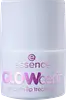
This barrier-repair lip moisturizer is formulated around Butyrospermum Parkii Butter and Palmitoyl Tripeptide-1 to strengthen the lip barrier and hydrate lips.
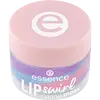
This hydrating lip mask is formulated around Bis-Diglyceryl Polyacyladipate-2 and Butyrospermum Parkii Butter to hydrate lips and strengthen the lip barrier.

What's inside
What's inside
 Key Ingredients
Benefits
Concerns
Ingredients Side-by-side
Bis-Diglyceryl Polyacyladipate-2
Emollient


Diisostearyl Malate
EmollientPolyisobutene
Caprylic/Capric Triglyceride
Masking

Synthetic Wax
Abrasive

Tridecyl Trimellitate
EmollientGlycerin
Humectant
Silica
Abrasive

Sorbitan Isostearate
Emulsifying
Butyrospermum Parkii Butter
Skin Conditioning

Tocopheryl Acetate
Antioxidant


Limnanthes Alba Seed Oil
Skin Conditioning
Hydrolyzed Sodium Hyaluronate
Skin Conditioning
Calcium Aluminum Borosilicate
Squalane
Emollient
Caprylyl Glycol
Emollient
Ethylhexylglycerin
Skin ConditioningGlyceryl Behenate
Emollient
Palmitoyl Tripeptide-1
Skin Conditioning

Phenoxyethanol
Preservative
Parfum
Masking


Vanillin
Masking
Tin Oxide
Abrasive
CI 77891
Cosmetic ColorantBis-Diglyceryl Polyacyladipate-2, Diisostearyl Malate, Polyisobutene, Caprylic/Capric Triglyceride, Synthetic Wax, Tridecyl Trimellitate, Glycerin, Silica, Sorbitan Isostearate, Butyrospermum Parkii Butter, Tocopheryl Acetate, Limnanthes Alba Seed Oil, Hydrolyzed Sodium Hyaluronate, Calcium Aluminum Borosilicate, Squalane, Caprylyl Glycol, Ethylhexylglycerin, Glyceryl Behenate, Palmitoyl Tripeptide-1, Phenoxyethanol, Parfum, Vanillin, Tin Oxide, CI 77891
Diisostearyl Malate
EmollientPolyisobutene
Bis-Diglyceryl Polyacyladipate-2
Emollient
Triethylhexanoin
MaskingHydrogenated Polyisobutene
EmollientSynthetic Wax
Abrasive
Polyglyceryl-2 Triisostearate
Emulsifying
Silica Dimethyl Silylate
EmollientDimer Dilinoleyl Dimer Dilinoleate
EmollientRicinus Communis Seed Oil
Masking
Butyrospermum Parkii Butter
Skin Conditioning
Persea Gratissima Oil
Skin Conditioning
Mangifera Indica Seed Butter
Skin Conditioning
Sodium Hyaluronate
Humectant

Tocopherol
Antioxidant
Bis-Behenyl/Isostearyl/Phytosteryl Dimer Dilinoleyl Dimer Dilinoleate
EmollientHydrogenated Castor Oil
Emollient
Phenoxyethanol
Preservative
Benzyl Alcohol
Perfuming
Parfum
Masking
Benzaldehyde
Masking
Vanillin
Masking
Aluminum Hydroxide
EmollientCI 15850
Cosmetic ColorantCI 42090
Cosmetic ColorantCI 45410
Cosmetic ColorantCI 77491
Cosmetic ColorantCI 77492
Cosmetic ColorantCI 77499
Cosmetic ColorantCI 77891
Cosmetic ColorantDiisostearyl Malate, Polyisobutene, Bis-Diglyceryl Polyacyladipate-2, Triethylhexanoin, Hydrogenated Polyisobutene, Synthetic Wax, Polyglyceryl-2 Triisostearate, Silica Dimethyl Silylate, Dimer Dilinoleyl Dimer Dilinoleate, Ricinus Communis Seed Oil, Butyrospermum Parkii Butter, Persea Gratissima Oil, Mangifera Indica Seed Butter, Sodium Hyaluronate, Tocopherol, Bis-Behenyl/Isostearyl/Phytosteryl Dimer Dilinoleyl Dimer Dilinoleate, Hydrogenated Castor Oil, Phenoxyethanol, Benzyl Alcohol, Parfum, Benzaldehyde, Vanillin, Aluminum Hydroxide, CI 15850, CI 42090, CI 45410, CI 77491, CI 77492, CI 77499, CI 77891
Ingredients Explained
These ingredients are found in both products.
Ingredients higher up in an ingredient list are typically present in a larger amount.
Bis-Diglyceryl Polyacyladipate-2 is a synthetic emollient that works as a lanolin substitute.
This ingredient is a great vegan option for those avoiding animal-derived ingredients.
It mostly stays on the surface of skin where it helps hydrate due to its large molecular size and low water solubility.
Due to it being derived from fatty acids, this ingredient may not be Malassezia or fungal acne safe.
Learn more about Bis-Diglyceryl Polyacyladipate-2This ingredient is also known as shea butter. It is a plant-derived extract from the nuts of the Africa shea tree and one of the most well-studied emollients.
Because it has a high concentration of fatty acids (primarily oleic, stearic, and linoleic) it is able to form a protective barrier on the skin's surface. This helps seal in moisture and prevents transepidermal water loss (TEWL).
In vitro research found an increase in skin hydration by 58% and a decrease in TEWL by 37.8% after 24 hours of applying this ingredient (pretty impressive for a single ingredient!).
Besides hydration, shea butter also contains triterpenes that have anti-inflammatory potential. In particule, lupeol cinnamate has shown the highest anti-inflammatory activity in vivo.
Shea butter also contains vitamins A and E which may contribute to antioxidant activity.
While Shea Butter has an SPF rating of about 3-4, it is not a sunscreen replacement.
This ingredient may not be fungal acne safe because its fatty acids fall within the C11-C24 range that the Malassezia yeast can metabolize.
This ingredient shows up on a lot of "pore-clogging" lists but there's no real evidence behind that. It doesn't even have a comedogenic rating from an actual study; the numbers you'll find online come from blogs citing other blogs.
Ratings for other ingredients mostly come from a 1980s rabbit ear test. This test doesn't translate well to human skin or to real products because the ingredient sits at a much lower percentage.
Some people still find it breaks them out. So if that's you, definitely trust your skin. Just know this one's based on experience and not evidence.
Learn more about Butyrospermum Parkii ButterCi 77891 is a white pigment from Titanium dioxide. It is naturally found in minerals such as rutile and ilmenite.
It's main function is to add a white color to cosmetics. It can also be mixed with other colors to create different shades.
Ci 77891 is commonly found in sunscreens due to its ability to block UV rays.
Learn more about CI 77891Diisostearyl Malate is an emollient and most often used in lip products. It comes from isostearyl alcohol, a fatty acid, and malic acid, an AHA.
As an emollient, Diisostearyl Malate helps create a thin film on your skin to trap moisture in. This helps keep your skin soft and smooth.
Parfum is a catch-all term for an ingredient or more that is used to give a scent to products.
Also called "fragrance", this ingredient can be a blend of hundreds of chemicals or plant oils. This means every product with "fragrance" or "parfum" in the ingredients list is a different mixture.
For instance, Habanolide is a proprietary trade name for a specific aroma chemical. When used as a fragrance ingredient in cosmetics, most aroma chemicals fall under the broad labeling category of “FRAGRANCE” or “PARFUM” according to EU and US regulations.
The term 'parfum' or 'fragrance' is not regulated in many countries. In many cases, it is up to the brand to define this term.
For instance, many brands choose to label themselves as "fragrance-free" because they are not using synthetic fragrances. However, their products may still contain ingredients such as essential oils that are considered a fragrance by INCI standards.
One example is Calendula flower extract. Calendula is an essential oil that still imparts a scent or 'fragrance'.
Depending on the blend, the ingredients in the mixture can cause allergies and sensitivities on the skin. Some ingredients that are known EU allergens include linalool and citronellol.
Parfum can also be used to mask or cover an unpleasant scent.
The bottom line is: not all fragrances/parfum/ingredients are created equally. If you are worried about fragrances, we recommend taking a closer look at an ingredient. And of course, we always recommend speaking with a professional.
Learn more about ParfumPhenoxyethanol is one of the most widely used preservatives in skincare (and for good reason!).
It has a large spectrum of antimicrobial activity and especially effective bacteria, yeast, and mold while only having a weak effect on your skin's natural microbiome.
On a cellular level, it disrupts the cell membranes of microbes by poking holes that make the cell leak. This shuts down the chemical reactions the microbe needs to make energy so it can no longer survive.
Another perk of this ingredient is that it stays functional across a wide pH range (3-10).
You'll often see it paired with boosters like Ethylhexylglycerin; one study showed that a 1:9 ratio of Ethylhexylglycerin to Phenoxyethanol damages bacterial membranes as effectively as doubling the Phenoxyethanol concentration on its own.
Typical use concentrations range from 0.3-1% depending on the formula, and this ingredient is capped at 1% int the EU.
Safety-wise, the fear mongering does not hold up to the evidence. The EU's Scientific Committee on Consumer Safety and FDA consider it safe as a preservative at up to 1%, including for children of all ages.
Adverse systemic effects only showed up in animal studies at exposures roughly 200x higher than what people get from cosmetics. And despite its very widespread use, this ingredient is a rare sensitizer and allergic reactions are uncommon.
Learn more about PhenoxyethanolPolyisobutene is a synthetic polymer made from isobutene.
It is a film-forming agent and helps bind ingredients together.
Polyisobutene is not absorbed by the skin.
Learn more about PolyisobuteneSynthetic Wax is a manufactured hydrocarbon wax. In formulas, it works as an occlusive emollient that helps reduce water loss and improves the spreadability of products.
Research comparing synthetic wax to traditional mineral-derived products found that formulas containing it perform as well for skin hydration.
It is considered non-comedogenic and vegan-friendly.
This ingredient has a well-established safety record by the CIR Expert Panel for Cosmetic Ingredient Safety.
Synthetic Waxes are straight/branched-chain hydrocarbons with no ester bond or fatty acids. That means there is nothing for the Malassezia yeast to feed on.
Learn more about Synthetic WaxVanillin is the main compound of the vanilla bean. It is naturally occuring but can also be artificially created.
This ingredient exhibits antioxidant properties but is also a known skin-irritant.
Vanillism is the term of contact-dermatitis associated with the vanilla plant. The sap of the vanilla plant triggers skin irritation, swelling, and redness.
Learn more about Vanillin

