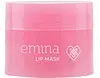
This hydrating lip mask is formulated around Butyrospermum Parkii Butter and Macadamia Ternifolia Seed Oil to hydrate lips and strengthen the lip barrier.
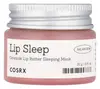
This hydrating lip mask is formulated around Butyrospermum Parkii Butter and Simmondsia Chinensis Seed Oil to hydrate lips and strengthen the lip barrier.


What's inside
What's inside
 Key Ingredients
Benefits
Concerns
Ingredients Side-by-side
Hydrogenated Polyisobutene
EmollientDiisostearyl Malate
EmollientButyrospermum Parkii Butter
Skin Conditioning






Phytosteryl/Isostearyl/Cetyl/Stearyl/Behenyl Dimer Dilinoleate
Skin Conditioning
Microcrystalline Wax
Emulsion StabilisingPolybutene
Ethylene/Propylene/Styrene Copolymer
Macadamia Ternifolia Seed Oil
Emollient
Polyethylene
Abrasive
Euphorbia Cerifera Wax
Phenoxyethanol
Preservative
Polyglyceryl-2 Triisostearate
Emulsifying
Ethylhexylglycerin
Skin ConditioningParfum
Masking


Ozokerite
Emulsion StabilisingGlycine Soja Oil
Emollient

Butylene/Ethylene/Styrene Copolymer
Tocopheryl Acetate
Antioxidant


Persea Gratissima Oil
Skin Conditioning
Simmondsia Chinensis Seed Oil
Emollient
Bisabolol
Antioxidant
BHT
Antioxidant
Isobornyl Acetate
Masking
Calendula Officinalis Flower Extract
Masking
Chamomilla Recutita Flower Extract
Masking
Fucus Vesiculosus Extract
Emollient
Triticum Vulgare Bran Extract
Skin ConditioningLinoleic Acid
Cleansing
Tocopherol
Antioxidant
Aluminum Hydroxide
EmollientCI 77891
Cosmetic ColorantCI 15850
Cosmetic ColorantCI 47005
Cosmetic ColorantHydrogenated Polyisobutene, Diisostearyl Malate, Butyrospermum Parkii Butter, Phytosteryl/Isostearyl/Cetyl/Stearyl/Behenyl Dimer Dilinoleate, Microcrystalline Wax, Polybutene, Ethylene/Propylene/Styrene Copolymer, Macadamia Ternifolia Seed Oil, Polyethylene, Euphorbia Cerifera Wax, Phenoxyethanol, Polyglyceryl-2 Triisostearate, Ethylhexylglycerin, Parfum, Ozokerite, Glycine Soja Oil, Butylene/Ethylene/Styrene Copolymer, Tocopheryl Acetate, Persea Gratissima Oil, Simmondsia Chinensis Seed Oil, Bisabolol, BHT, Isobornyl Acetate, Calendula Officinalis Flower Extract, Chamomilla Recutita Flower Extract, Fucus Vesiculosus Extract, Triticum Vulgare Bran Extract, Linoleic Acid, Tocopherol, Aluminum Hydroxide, CI 77891, CI 15850, CI 47005
Bis-Diglyceryl Polyacyladipate-2
Emollient
Butyrospermum Parkii Butter
Skin Conditioning
Cocos Nucifera Oil
Masking
Ricinus Communis Seed Oil
Masking
Polyglyceryl-3 Distearate
Emulsifying
Phytosteryl/Isostearyl/Cetyl/Stearyl/Behenyl Dimer Dilinoleate
Skin Conditioning
Simmondsia Chinensis Seed Oil
Emollient
Caprylic/Capric Triglyceride
Masking
Beeswax
Emulsion Stabilising
Ozokerite
Emulsion StabilisingPolyethylene
Abrasive
Mangifera Indica Seed Butter
Skin Conditioning
Euphorbia Cerifera Wax
Glyceryl Stearate Citrate
Emollient
Ethylhexylglycerin
Skin ConditioningGlycerin
Humectant
Ceramide NP
Skin Conditioning
Phytosphingosine
Skin Conditioning
Bis-Diglyceryl Polyacyladipate-2, Butyrospermum Parkii Butter, Cocos Nucifera Oil, Ricinus Communis Seed Oil, Polyglyceryl-3 Distearate, Phytosteryl/Isostearyl/Cetyl/Stearyl/Behenyl Dimer Dilinoleate, Simmondsia Chinensis Seed Oil, Caprylic/Capric Triglyceride, Beeswax, Ozokerite, Polyethylene, Mangifera Indica Seed Butter, Euphorbia Cerifera Wax, Glyceryl Stearate Citrate, Ethylhexylglycerin, Glycerin, Ceramide NP, Phytosphingosine
Reviews
Ingredients Explained
These ingredients are found in both products.
Ingredients higher up in an ingredient list are typically present in a larger amount.
This ingredient is also known as shea butter. It is a plant-derived extract from the nuts of the Africa shea tree and one of the most well-studied emollients.
Because it has a high concentration of fatty acids (primarily oleic, stearic, and linoleic) it is able to form a protective barrier on the skin's surface. This helps seal in moisture and prevents transepidermal water loss (TEWL).
In vitro research found an increase in skin hydration by 58% and a decrease in TEWL by 37.8% after 24 hours of applying this ingredient (pretty impressive for a single ingredient!).
Besides hydration, shea butter also contains triterpenes that have anti-inflammatory potential. In particule, lupeol cinnamate has shown the highest anti-inflammatory activity in vivo.
Shea butter also contains vitamins A and E which may contribute to antioxidant activity.
While Shea Butter has an SPF rating of about 3-4, it is not a sunscreen replacement.
This ingredient may not be fungal acne safe because its fatty acids fall within the C11-C24 range that the Malassezia yeast can metabolize.
This ingredient shows up on a lot of "pore-clogging" lists but there's no real evidence behind that. It doesn't even have a comedogenic rating from an actual study; the numbers you'll find online come from blogs citing other blogs.
Ratings for other ingredients mostly come from a 1980s rabbit ear test. This test doesn't translate well to human skin or to real products because the ingredient sits at a much lower percentage.
Some people still find it breaks them out. So if that's you, definitely trust your skin. Just know this one's based on experience and not evidence.
Learn more about Butyrospermum Parkii ButterEthylhexylglycerin is created from glycerin. It is a multitasker ingredient that:
The CIR Expert Panel found minimal skin absorption or sensitization of any kind in a safety assessment. Though this ingredient is considered well-tolerated, a small number of cases of allergic dermatitis have been published since 2002. Just be sure to patch test if you are unsure.
Industry-reported use ranges from 8% in rinse-off products and 2% in leave-on formulations.
Learn more about EthylhexylglycerinOzokerite is a naturally occuring mineral wax. In cosmetics, ozokerite is used as a texture enhancer.
Ceresin wax is derived from this ingredient.
The melting point of ozokerite is 58-100 C.
Ozokerite is found all over the world including Scotland, the US, and India.
Learn more about OzokeriteThis is a plant-derived ester that functions as a skin conditioner. It's basically a two linoleic acid molecules combined with fatty alcohols.
In practice, it works as a rich emollient that helps reduce moisture loss and give skin a soft appearance.
The phytosterol part of this ingredient brings an added structural bonus: phytosterols are structurally similar to cholesterol so they can fit right into the stratum corneum's lipid matrix to help reinforce the skin barrier.
Due to its molecular structure, this ingredient delivers a cushiony and glossy feeling without being excessively greasy.
It did not produce skin irritation or sensitization in clinical studies, and this ingredient is deemed safe to use in cosmetics at current practices.
Because this ingredient contains C16, C18, and C22 fatty chains, it may not be Malassezia/fungal acne safe. The Malassezia yeast potentially feeds on fatty acids in the C11-C24 range.
Learn more about Phytosteryl/Isostearyl/Cetyl/Stearyl/Behenyl Dimer DilinoleatePolyethylene is a synthetic ingredient that helps the skin retain moisture. It is a polymer.
It is also typically used within product formulations to help bind solid ingredients together and thicken oil-based ingredients. When added to balms and emulsions, it helps increase the melting point temperature.
Jojoba oil is one of the most well-studied plant-derived ingredients in cosmetics. It is an emollient with a special structure.
Because it is made up of 97-98% wax esters, it closely mirrors the linear monoesters found in human sebum. This makes it skin compatible, non-greasy, and lightweight.
Unlike other plant oils, jojoba wax doesn't easily penetrate skin. It mostly works in the uppermost layers as an emollient. This just means it forms a light barrier on the skin to help retain moisture.
Formulations with jojoba esters up to 90% reduced transepidermal water loss (TEWL) and increased barrier recovery by 81% (outperforming bisabolol at 47%).
Besides barrier support, the science also suggests jojoba to have anti-inflammatory effects and potential applications for skin infections, aging, and wound healing.
Fun fact: Indigenous cultures have used jojoba as a moisturizer and to help treat burns for centuries.
Fungal acne: The Malassezia yeast is known to metabolize fatty acids in the C11-24 range and jojoba's dominant fatty acid components fall into this range. This ingredient may not be fungal acne safe.
Learn more about Simmondsia Chinensis Seed OilEuphorbia Cerifera Wax (aka candelilla wax) is a vegan stand-in for beeswax. It is a plant-derived wax that functions as an astringent, emulsion stabilizer, film-former, and skin conditioner.
On skin, it forms a protective barrier that helps lock in moisture while it enhances product stability, prevents separation, and helps color last longer in makeup.
This ingredient is generally safe for use in cosmetics with one nuance: some grades of candelilla wax can naturally contain benzyl alcohol at concentrations high enough to require declaration under EU labeling rules. This isn't a concern for most people but relevant for those with fragrance sensitivities.
Candelilla wax contains fatty acids (mainly C31) and wax esters that can be used by the Malassezia yeast, so this ingredient may not be fungal acne safe.
You might see Euphorbia Cerifera "Cera" instead of "wax". This is because some brands, databases, or labels use it interchangeably; they're the same ingredient.
Learn more about Euphorbia Cerifera Wax

