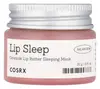
This hydrating lip mask is formulated around Butyrospermum Parkii Butter and Simmondsia Chinensis Seed Oil to hydrate lips and strengthen the lip barrier.
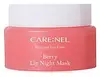
This hydrating lip mask is formulated around Petrolatum and Tocopherol to hydrate lips and calm redness.

What's inside
What's inside
 Key Ingredients
Benefits
Concerns
Ingredients Side-by-side
Bis-Diglyceryl Polyacyladipate-2
Emollient


Butyrospermum Parkii Butter
Skin Conditioning



Cocos Nucifera Oil
Masking


Ricinus Communis Seed Oil
Masking
Polyglyceryl-3 Distearate
Emulsifying
Phytosteryl/Isostearyl/Cetyl/Stearyl/Behenyl Dimer Dilinoleate
Skin Conditioning
Simmondsia Chinensis Seed Oil
Emollient
Caprylic/Capric Triglyceride
Masking
Beeswax
Emulsion Stabilising
Ozokerite
Emulsion StabilisingPolyethylene
Abrasive
Mangifera Indica Seed Butter
Skin Conditioning
Euphorbia Cerifera Wax
Glyceryl Stearate Citrate
Emollient
Ethylhexylglycerin
Skin ConditioningGlycerin
Humectant
Ceramide NP
Skin Conditioning



Phytosphingosine
Skin Conditioning
Bis-Diglyceryl Polyacyladipate-2, Butyrospermum Parkii Butter, Cocos Nucifera Oil, Ricinus Communis Seed Oil, Polyglyceryl-3 Distearate, Phytosteryl/Isostearyl/Cetyl/Stearyl/Behenyl Dimer Dilinoleate, Simmondsia Chinensis Seed Oil, Caprylic/Capric Triglyceride, Beeswax, Ozokerite, Polyethylene, Mangifera Indica Seed Butter, Euphorbia Cerifera Wax, Glyceryl Stearate Citrate, Ethylhexylglycerin, Glycerin, Ceramide NP, Phytosphingosine
Polyisobutene
Paraffinum Liquidum
Emollient
Petrolatum
Emollient
Diisostearyl Malate
EmollientBeeswax
Emulsion Stabilising
Euphorbia Cerifera Wax
Hydrogenated Styrene/Isoprene Copolymer
Ceresin
Emulsion StabilisingSorbitan Sesquioleate
Emulsifying
Caprylyl Glycol
Emollient
Parfum
Masking
Titanium Dioxide
Cosmetic Colorant

Polyglyceryl-2 Triisostearate
Emulsifying
Synthetic Fluorphlogopite
1,2-Hexanediol
Skin Conditioning
Tocopheryl Acetate
Antioxidant


CI 19140
Cosmetic ColorantCI 15850
Cosmetic ColorantTin Oxide
Abrasive
Water
Skin ConditioningOlea Europaea Fruit Oil
Masking
Butylene Glycol
Humectant
Macadamia Integrifolia Seed Oil
Skin Conditioning
Tocopherol
Antioxidant
Lavandula Angustifolia Flower Extract
Cleansing
Rosa Canina Flower Extract
AstringentChamomilla Recutita Flower Extract
Masking
Paeonia Officinalis Flower Extract
TonicRosa Centifolia Flower Extract
Astringent
Camellia Japonica Flower Extract
EmollientLilium Tigrinum Extract
Skin ConditioningRubus Idaeus Fruit Extract
AstringentFragaria Chiloensis Fruit Extract
Skin Conditioning
Punica Granatum Fruit Extract
Antioxidant
Tricholoma Matsutake Extract
Skin ConditioningNelumbo Nucifera Flower Extract
Skin ConditioningSchisandra Chinensis Fruit Extract
Skin Conditioning
Panax Ginseng Root Extract
Emollient
Moringa Oleifera Seed Extract
Skin Conditioning
Polyisobutene, Paraffinum Liquidum, Petrolatum, Diisostearyl Malate, Beeswax, Euphorbia Cerifera Wax, Hydrogenated Styrene/Isoprene Copolymer, Ceresin, Sorbitan Sesquioleate, Caprylyl Glycol, Parfum, Titanium Dioxide, Polyglyceryl-2 Triisostearate, Synthetic Fluorphlogopite, 1,2-Hexanediol, Tocopheryl Acetate, CI 19140, CI 15850, Tin Oxide, Water, Olea Europaea Fruit Oil, Butylene Glycol, Macadamia Integrifolia Seed Oil, Tocopherol, Lavandula Angustifolia Flower Extract, Rosa Canina Flower Extract, Chamomilla Recutita Flower Extract, Paeonia Officinalis Flower Extract, Rosa Centifolia Flower Extract, Camellia Japonica Flower Extract, Lilium Tigrinum Extract, Rubus Idaeus Fruit Extract, Fragaria Chiloensis Fruit Extract, Punica Granatum Fruit Extract, Tricholoma Matsutake Extract, Nelumbo Nucifera Flower Extract, Schisandra Chinensis Fruit Extract, Panax Ginseng Root Extract, Moringa Oleifera Seed Extract
Reviews
Ingredients Explained
These ingredients are found in both products.
Ingredients higher up in an ingredient list are typically present in a larger amount.
Beeswax is natural wax produced by honey bees to build their honeycomb.
Because it forms a protective layer on your skin, it can help lock in moisture and reduce water loss. It is also widely used as a thickener and emulsifier in lip balms and lotions. Research suggests beeswax containing moisturizers can support skin barrier integrity.
In comedogenic testing, Beeswax scored a 0-2, which is on the low end. Whether or not a product clogs your pores really comes down to the formula as a whole (not any single ingredient on its own) and your skin.
Cera Alba is the white, bleached form of this ingredient.
Just so you know, beeswax is not vegan since it is animal-derived. It cannot be removed with water, but can be taken off with an oil cleanser.
People with a known Propolis allergy also report to have reactions from beeswax.
Beeswax's wax esters are derived primarily from palmitic and oleic acid (C16 and C18:1). Both of these fall within the C11-C24 feeding window.
The Malassezia yeast can potentially cleave these esters and release usable fatty acids, so this ingredient may not be fungal acne safe. However, not everyone will react to this ingredient.
Learn more about BeeswaxEuphorbia Cerifera Wax (aka candelilla wax) is a vegan stand-in for beeswax. It is a plant-derived wax that functions as an astringent, emulsion stabilizer, film-former, and skin conditioner.
On skin, it forms a protective barrier that helps lock in moisture while it enhances product stability, prevents separation, and helps color last longer in makeup.
This ingredient is generally safe for use in cosmetics with one nuance: some grades of candelilla wax can naturally contain benzyl alcohol at concentrations high enough to require declaration under EU labeling rules. This isn't a concern for most people but relevant for those with fragrance sensitivities.
Candelilla wax contains fatty acids (mainly C31) and wax esters that can be used by the Malassezia yeast, so this ingredient may not be fungal acne safe.
You might see Euphorbia Cerifera "Cera" instead of "wax". This is because some brands, databases, or labels use it interchangeably; they're the same ingredient.
Learn more about Euphorbia Cerifera Wax

