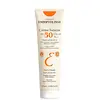
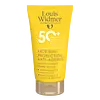
This chemical sunscreen covers the full UV range and blocks ~98% of UVB at SPF 50.
This chemical sunscreen covers the full UV range and blocks ~98% of UVB at SPF 50.


What's inside
What's inside
 Key Ingredients
Benefits
Concerns
Ingredients Side-by-side
Water
Skin ConditioningDicaprylyl Carbonate
EmollientC15-19 Alkane
SolventDiethylamino Hydroxybenzoyl Hexyl Benzoate
UV Filter
Bis-Ethylhexyloxyphenol Methoxyphenyl Triazine
UV Absorber
Ethylhexyl Triazone
UV Absorber
Caprylic/Capric Triglyceride
Masking


Glycerin
Humectant
Butyrospermum Parkii Butter
Skin Conditioning




Glyceryl Stearate
Emollient
Tapioca Starch
Creatine
Skin ConditioningTocopheryl Acetate
Antioxidant


Microcrystalline Cellulose
AbsorbentCaprylyl Glycol
Emollient
Parfum
Masking


Sodium Stearoyl Glutamate
CleansingHydroxyethyl Acrylate/Sodium Acryloyldimethyl Taurate Copolymer
Emulsion StabilisingIsohexadecane
EmollientXanthan Gum
EmulsifyingCaprylhydroxamic Acid
ChelatingCellulose Gum
Emulsion StabilisingO-Cymen-5-Ol
Antimicrobial
Polysorbate 60
Emulsifying
Bixa Orellana Seed Extract
MaskingSorbitan Isostearate
Emulsifying
Tocopherol
Antioxidant


Water, Dicaprylyl Carbonate, C15-19 Alkane, Diethylamino Hydroxybenzoyl Hexyl Benzoate, Bis-Ethylhexyloxyphenol Methoxyphenyl Triazine, Ethylhexyl Triazone, Caprylic/Capric Triglyceride, Glycerin, Butyrospermum Parkii Butter, Glyceryl Stearate, Tapioca Starch, Creatine, Tocopheryl Acetate, Microcrystalline Cellulose, Caprylyl Glycol, Parfum, Sodium Stearoyl Glutamate, Hydroxyethyl Acrylate/Sodium Acryloyldimethyl Taurate Copolymer, Isohexadecane, Xanthan Gum, Caprylhydroxamic Acid, Cellulose Gum, O-Cymen-5-Ol, Polysorbate 60, Bixa Orellana Seed Extract, Sorbitan Isostearate, Tocopherol
Water
Skin ConditioningDibutyl Adipate
EmollientDiethylamino Hydroxybenzoyl Hexyl Benzoate
UV Filter
Phenoxyethyl Caprylate
Isoamyl P-Methoxycinnamate
UV Absorber
Butylene Glycol
Humectant
Methylene Bis-Benzotriazolyl Tetramethylbutylphenol
UV Filter
Polysilicone-15
UV Filter
Trimethylpentanediol/Adipic Acid/Glycerin Crosspolymer
Skin ConditioningBis-Ethylhexyloxyphenol Methoxyphenyl Triazine
UV Absorber
Triethylhexanoin
MaskingCetyl Dimethicone
Emollient
Ethylhexyl Triazone
UV Absorber
Potassium Cetyl Phosphate
EmulsifyingSilica
Abrasive


Glycerin
Humectant
Dimethicone
Emollient
Arginine
Masking
Bis-Ethylhexyl Hydroxydimethoxy Benzylmalonate
Antioxidant
Phenylbenzimidazole Sulfonic Acid
UV Absorber
Tocopheryl Acetate
Antioxidant
Palmitoyl Tripeptide-1
Skin Conditioning

Palmitoyl Tetrapeptide-7
Skin Conditioning
Panthenol
Skin Conditioning
Tocopherol
Antioxidant
Trimethylsiloxysilicate
Emollient
Cetearyl Olivate
Decyl Glucoside
Cleansing
Sorbitan Olivate
Emulsifying
Acrylates/C10-30 Alkyl Acrylate Crosspolymer
Emulsion StabilisingPropylene Glycol
Humectant
Carbomer
Emulsion StabilisingCoco-Glucoside
Cleansing
Xanthan Gum
EmulsifyingSodium Polyphosphate
ChelatingPantolactone
Humectant
Phenoxyethanol
Preservative
Ethylhexylglycerin
Skin ConditioningWater, Dibutyl Adipate, Diethylamino Hydroxybenzoyl Hexyl Benzoate, Phenoxyethyl Caprylate, Isoamyl P-Methoxycinnamate, Butylene Glycol, Methylene Bis-Benzotriazolyl Tetramethylbutylphenol, Polysilicone-15, Trimethylpentanediol/Adipic Acid/Glycerin Crosspolymer, Bis-Ethylhexyloxyphenol Methoxyphenyl Triazine, Triethylhexanoin, Cetyl Dimethicone, Ethylhexyl Triazone, Potassium Cetyl Phosphate, Silica, Glycerin, Dimethicone, Arginine, Bis-Ethylhexyl Hydroxydimethoxy Benzylmalonate, Phenylbenzimidazole Sulfonic Acid, Tocopheryl Acetate, Palmitoyl Tripeptide-1, Palmitoyl Tetrapeptide-7, Panthenol, Tocopherol, Trimethylsiloxysilicate, Cetearyl Olivate, Decyl Glucoside, Sorbitan Olivate, Acrylates/C10-30 Alkyl Acrylate Crosspolymer, Propylene Glycol, Carbomer, Coco-Glucoside, Xanthan Gum, Sodium Polyphosphate, Pantolactone, Phenoxyethanol, Ethylhexylglycerin
Reviews
Ingredients Explained
These ingredients are found in both products.
Ingredients higher up in an ingredient list are typically present in a larger amount.
This ingredient is better known as bemotrizinol or Tinosorb S and is one of the best broad-spectrum UV filters in modern sunscreen.
It works by absorbing UV light across a whole range (280-400 nm) with peaks around 310 nm (UVB) and 340-345 nm (UVA). This means it covers UVB plus the deeper UVA wavelengths that drive photoaging and pigmentation.
Another pro?
It's exceptionally photostable, barely degrades in sunlight, and acts as a "bodyguard" for less stable filters.
That's why you'll see it paired with avobenzone or octinoxate; this team up ensures they keep working through sun exposure.
Safety reviews have been reassuring across the board. This ingredient shows low absorption through the skin, rarely irritates, and lab studies found it doesn't act like a hormone in the body (a concern that's been raised about some older sunscreen filters).
On maximum concentrations:
In 2026, the US F.D.A finally added it as an OTC sunscreen ingredient at concentrations up to 6% for adults / children 6 months and older
Learn more about Bis-Ethylhexyloxyphenol Methoxyphenyl TriazineDiethylamino Hydroxybenzoyl Hexyl Benzoate (DHHB) is a chemical UV-A absorber. It is formulated for high UVA protection (320-400 nm).
DHHB is well-liked for:
DHHB has been approved by the EU, Japan, Taiwan, and South America for use up to 10%. Unfortunately, it has not been approved for use in the US or Canada due to slow regulatory processes.
This ingredient is soluble in oils, fats, and lipids.
Learn more about Diethylamino Hydroxybenzoyl Hexyl BenzoateEthylhexyl Triazone (aka Octyl Triazone) is an oil-soluble organic UVB filter. It has peak absorption around 314 nm, right in the middle of the UVB range.
This ingredient is described as one of the most effective UVB filters available and small concentrations are enough to deliver a high SPF thanks to its strong UV absorbing power.
Formulators love it for its stability; its ability to filter UV stays practically unchanged even under intense radiation and it can also help boost the photostability of less stable filters like avobenzone.
It's also a great pick for water resistant products because it's insoluble in water and has a good affinity for keratin.
Because it's a big, heavy molecule, the European Scientific Committee has found to to have very low dermal penetration and negative results for allergenicity.
In vitro testing also showed a low absorption rate and clean results on irritation.
Typical use levels are 1-5% with 5% being the maximum in the EU, Japan, and other markets that allow it. However, this ingredient is not approved yet in the US or Canada.
Learn more about Ethylhexyl TriazoneGlycerin (or glycerol) is a compound naturally found in your skin. It's a powerhouse humectant that pulls water into the stratum corneum.
Topically, glycerin does several things at once:
Your skin makes glycerin on its own (mostly from sebaceous oil breakdown) and shuttles it to your outermost layer of skin, or your epidermis, via aquaporin-3.
Aquaporin-3 is a transporter that is essential for normal skin hydration, elasticity, and repair. Interestingly, mice lacking in AQP3 have dry and less elastic skin that can be fully corrected with glycerin.
This ingredient is non-irritating, plays well with almost every ingredient, and works across all skin types. Typical use is anywhere between 3-10% but can go up to 79% in some leave-on products.
Just know very high concentrations (>40%) can feel tacky in low humidity.
Glycerin is the name for this ingredient in American English. British English uses Glycerol/Glycerine.
Learn more about GlycerinTocopherol is a fat-soluble antioxidant known as Vitamin E.
You'll find this ingredient in the vast majority of skincare (for good reason). It works to neutralize free radicals, or unstable molecules generated by UV exposure, pollution, and other environmental stressors, before they can cause oxidative damage to your skin cells.
Topically applied tocopherol has been shown to protect against UV damage by ramping up the skin's own natural defense enzymes.
It also acts as a skin conditioning agent; some studies show that regular topical use can improve the skin's water-binding capacity over 2-4 weeks.
This ingredient is especially loved for being a team player. When combined with Vitamin C, the photoprotective effect of both ingredients roughly doubles and the combo also helps reduce UV-induced DNA damage.
This ingredient has some brightening potential but it's more of a prevention ingredient than spot-fader. Cell studies show it can slow down melanin production but it's worth noting that it's not the most powerful brightener out there.
In formulations, it also serves as a stabilizer that helps protect other oxidation-prone ingredients from degrading.
Concentrations usually range from 0.1-1% in most leave-on products.
Learn more about TocopherolTocopheryl Acetate is a stable, shelf-friendly form of vitamin E.
Formulators love it because plain vitamin E oxidizes quickly once it hits air. This acetate version stays stable and resists going off, helping to extend a product's shelf life.
It's actually inactive on its own and works like a slow-release "storage" form; the enzymes in your skin called esterases gradually convert it into active vitamin E over time.
One in vivo study showed 5% of the acetate in the living layer of the epidermis converted to vitamin E after 5 days of application. This study also found the skin gained protection against UV damage even though the conversion was slow and small.
Once converted, vitamin E acts as a skin's main fat-soluble antioxidant that fights free radicals to protect skin from damage.
Topical vitamin E generally boosts the skin's photoprotection, and it reduced UV-damage in animal models.
This ingredient has some brightening potential but it's more of a prevention ingredient than spot-fader. Cell studies show it can slow down melanin production but it's worth noting that it's not the most powerful brightener out there.
Overall, it has a pretty solid safety profile and has been found to be non-irritating and non-comedogenic. Allergic reactions may happen but stay rare due to how widely the ingredient gets used.
The concentration will vary depending on the formula; industry data shows 0.1% in baby lotions, 3% in lipsticks, and 5% in foot powders. You can also find this ingredient at 100% in a pure vitamin E oil.
Most leave-on skincare keeps it at the lower end, often between 0.5-1%.
Learn more about Tocopheryl AcetateWater. It's the most common cosmetic ingredient of all. You'll usually see it at the top of ingredient lists, meaning that it makes up the largest part of the product.
So why is it so popular? Water most often acts as a solvent - this means that it helps dissolve other ingredients into the formulation.
You'll also recognize water as that liquid we all need to stay alive. If you see this, drink a glass of water. Remember to stay hydrated!
Learn more about WaterXanthan gum is used as a stabilizer and thickener within cosmetic products. It helps give products a sticky, thick feeling - preventing them from being too runny.
On the technical side of things, xanthan gum is a polysaccharide - a combination consisting of multiple sugar molecules bonded together.
Xanthan gum is a pretty common and great ingredient. It is a natural, non-toxic, non-irritating ingredient that is also commonly used in food products.
Learn more about Xanthan Gum

