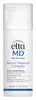
This barrier-repair night moisturizer is formulated around Niacinamide and Squalane to strengthen the skin barrier and hydrate skin.
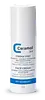
This barrier-repair moisturizer is formulated around Butyrospermum Parkii Butter and Ceramide NP to strengthen the skin barrier and hydrate skin.


What's inside
What's inside
 Key Ingredients
Benefits
Concerns
Ingredients Side-by-side
Water
Skin ConditioningEthylhexyl Isononanoate
EmollientNiacinamide
Smoothing











Glycerin
Humectant
Squalane
Emollient
Hydroxyethyl Acrylate/Sodium Acryloyldimethyl Taurate Copolymer
Emulsion StabilisingGlyceryl Stearate
Emollient

PEG-100 Stearate
Surfactant
Phenoxyethanol
Preservative
Xylitylglucoside
Humectant
Anhydroxylitol
Humectant
Polyisobutene
Carbomer
Emulsion StabilisingXylitol
Humectant
Actinidia Chinensis Fruit Extract
EmollientPiptadenia Colubrina Peel Extract
HumectantEthylhexylglycerin
Skin ConditioningSodium Hyaluronate
Humectant
PEG-7 Trimethylolpropane Coconut Ether
Emulsifying
Bromelain
Skin Conditioning
Ceteareth-25
CleansingTocopherol
Antioxidant

Disodium EDTA
ChelatingGlycine Soja Oil
Emollient



Maltodextrin
Absorbent
Cetyl Alcohol
Emollient
Microcrystalline Cellulose
AbsorbentBenzyl Alcohol
Perfuming




Behenic Acid
Cleansing
Ceramide NP
Skin Conditioning
Cholesterol
Emollient
Diethylene Glycol Dibenzoate
EmollientPotassium Sorbate
Preservative
Silica
Abrasive
Ceramide Ns
Skin Conditioning
Ceramide AP
Skin Conditioning
Ceramide EOP
Skin Conditioning
Ceramide Eos
Skin Conditioning
Caprooyl Phytosphingosine
Skin Conditioning
Caprooyl Sphingosine
Skin ConditioningAscorbyl Palmitate
Antioxidant
Butylene Glycol
Humectant
Citric Acid
Buffering
Sodium Hydroxide
BufferingSodium Bisulfite
Antioxidant
Biotin
AntiseborrhoeicFicin
Skin ConditioningGlutamine
Skin ConditioningProline
Skin Conditioning
Water, Ethylhexyl Isononanoate, Niacinamide, Glycerin, Squalane, Hydroxyethyl Acrylate/Sodium Acryloyldimethyl Taurate Copolymer, Glyceryl Stearate, PEG-100 Stearate, Phenoxyethanol, Xylitylglucoside, Anhydroxylitol, Polyisobutene, Carbomer, Xylitol, Actinidia Chinensis Fruit Extract, Piptadenia Colubrina Peel Extract, Ethylhexylglycerin, Sodium Hyaluronate, PEG-7 Trimethylolpropane Coconut Ether, Bromelain, Ceteareth-25, Tocopherol, Disodium EDTA, Glycine Soja Oil, Maltodextrin, Cetyl Alcohol, Microcrystalline Cellulose, Benzyl Alcohol, Behenic Acid, Ceramide NP, Cholesterol, Diethylene Glycol Dibenzoate, Potassium Sorbate, Silica, Ceramide Ns, Ceramide AP, Ceramide EOP, Ceramide Eos, Caprooyl Phytosphingosine, Caprooyl Sphingosine, Ascorbyl Palmitate, Butylene Glycol, Citric Acid, Sodium Hydroxide, Sodium Bisulfite, Biotin, Ficin, Glutamine, Proline
Water
Skin ConditioningButyrospermum Parkii Butter
Skin Conditioning
Hydrogenated Polydecene
EmollientGlycerin
Humectant
Squalane
Emollient
Ammonium Acryloyldimethyltaurate/Vp Copolymer
Ceramide NP
Skin Conditioning
Cholesterol
Emollient
Palmitamide Mea
Foam BoostingStearic Acid
Cleansing
Arginine
Masking
Capryloyl Glycine
CleansingCaprylyl Glycol
Emollient
Cetyl Alcohol
Emollient
Hydroxyethyl Acrylate/Sodium Acryloyldimethyl Taurate Copolymer
Emulsion StabilisingPolysorbate 60
Emulsifying
Sodium Stearoyl Lactylate
EmulsifyingUndecylenoyl Glycine
CleansingXanthan Gum
EmulsifyingWater, Butyrospermum Parkii Butter, Hydrogenated Polydecene, Glycerin, Squalane, Ammonium Acryloyldimethyltaurate/Vp Copolymer, Ceramide NP, Cholesterol, Palmitamide Mea, Stearic Acid, Arginine, Capryloyl Glycine, Caprylyl Glycol, Cetyl Alcohol, Hydroxyethyl Acrylate/Sodium Acryloyldimethyl Taurate Copolymer, Polysorbate 60, Sodium Stearoyl Lactylate, Undecylenoyl Glycine, Xanthan Gum
Reviews
Ingredients Explained
These ingredients are found in both products.
Ingredients higher up in an ingredient list are typically present in a larger amount.
Ceramide NP (formerly known as Ceramide 3) is one of the skin's naturally occurring lipids.
Since ceramides are the major lipid components of the skin, they are crucial for maintaining skin barrier and hydration. Ceramide NP most closely mirrors the dominant kind in human skin amongst ceramide subtypes.
This ceramide works by slotting into gaps within the stratum corneum's lipid matrix to limit trans-epidermal water loss (TEWL) and shield the skin against external irritants.
A study with 312 patients found that using a ceramide-containing routine for 4 weeks reduced the severity of atopic dermatitis by over 61%.
Another clinical study in subjects aged 60 and older found that a ceramide body wash and moisturizer improved skin dryness and itchy skin in 15 days.
Overall, ceramides are considered non-irritating and safety tests have found little to no observable adverse effects from using this ingredient.
Ceramide NP is usually sourced from plants (like soybean or rice bran), or produced synthetically.
Learn more about Ceramide NPCetyl Alcohol is a fatty alcohol. Fatty Alcohols are most often used as an emollient or to thicken a product.
Its main roles are:
Though it has "alcohol" in the name, it is not related to denatured alcohol or ethyl alcohol.
The FDA allows products labeled "alcohol-free" to have fatty alcohols.
This ingredient may not be fungal acne safe. It is a primary fatty alcohol with a chain length above 12 carbons. A study from 2019 show Malassezia can feed on fatty alcohols in this range, so it may trigger fungal acne in those prone to it.
Learn more about Cetyl AlcoholCholesterol is a lipid that is naturally found in human skin and is one of the three key components of your skin barrier. In skincare, it is an emollient and barrier-repairing ingredient.
It works by fitting directly into the lipid layers of skin to help restore structure and reduce transepidermal water loss (TEWL).
This is a great ingredient for dry, compromised, or aging skin; our skin starts to produce less cholesterol with age.
Research shows cholesterol works best in combination with ceramides and fatty acids, the other two major components in your skin barrier.
Cholesterol is also a well-establish penetration enhancer and can help other actives absorb more effectively.
Cosmetic-grade cholesterol is usually derived from lanolin but plant and synthetic options also exist. We recommend reaching out to the brand if you have questions about their source of cholesterol.
Learn more about CholesterolGlycerin (or glycerol) is a compound naturally found in your skin. It's a powerhouse humectant that pulls water into the stratum corneum.
Topically, glycerin does several things at once:
Your skin makes glycerin on its own (mostly from sebaceous oil breakdown) and shuttles it to your outermost layer of skin, or your epidermis, via aquaporin-3.
Aquaporin-3 is a transporter that is essential for normal skin hydration, elasticity, and repair. Interestingly, mice lacking in AQP3 have dry and less elastic skin that can be fully corrected with glycerin.
This ingredient is non-irritating, plays well with almost every ingredient, and works across all skin types. Typical use is anywhere between 3-10% but can go up to 79% in some leave-on products.
Just know very high concentrations (>40%) can feel tacky in low humidity.
Glycerin is the name for this ingredient in American English. British English uses Glycerol/Glycerine.
Learn more about GlycerinThis is a synthetic polymer. It helps improve the texture of products by adding thickness and gel-like feel.
It is also an emulsifer, meaning it prevents ingredients such as oil and water from separating. It also helps evenly disperse other ingredients.
Squalane is the hydrogenated and shelf-stable form of squalene (a lipid that naturally occurs in human sebum).
It is an emollient and skin conditioning agent that is able to integrate seamlessly into the skin's lipid barrier without clogging pores.
This is due to how structurally similar it is to what your skin already produces.
Though it is mostly an emollient that helps soften and hydrate skin, it also has some humectant and occlusive action. Humectants help the skin retain moisture while occlusives seal it in, making squalane a triple-threat moisturizer.
Research shows it has antioxidant capabilities that help protect against stressors like UV exposure, specifically UVA induced oxidative stress. This study also found that it supports collagen biosynthesis in human dermal fibroblasts.
No clinical study has reported significant adverse effects and irritation reactions are very rare from this ingredient (even at 100% concentration).
Overall, it's a fantastic ingredient for hydration and is suitable for all skin types.
This depends on the source. Squalane can be derived from both plants and animals. Most squalane used in skincare comes from plants.
Please note: the source of squalane is only known if disclosed by the brand. We recommend reaching out to the brand if you have any questions about their squalane.
Read more about squalene with an "e".
Though squalane is often called an oil, it’s technically not one. It is a hydrocarbon, meaning it is only made of carbon and hydrogen. True oils are triglycerides and made of fatty acids and glycerol.
The term “oil-free” isn’t regulated so companies can define it however they want. Some exclude all oils, while others just avoid mineral oil or comedogenic oils.
Squalane has a comedogenic rating of 1 from the original 1972 study that tested raw ingredients under occlusion on rabbit ears. This system is not standardized or peer-reviewed, and using the raw ingredients is very different from how diluted cosmetic formulations are used on human skin.
A comedogenic rating of 1 means it is "unlikely to clog pores" according to the original rating system.
The overall formula of a product matters more than the individual ingredients on whether or not it will cause clogged pores.
Learn more about SqualaneWater. It's the most common cosmetic ingredient of all. You'll usually see it at the top of ingredient lists, meaning that it makes up the largest part of the product.
So why is it so popular? Water most often acts as a solvent - this means that it helps dissolve other ingredients into the formulation.
You'll also recognize water as that liquid we all need to stay alive. If you see this, drink a glass of water. Remember to stay hydrated!
Learn more about Water

