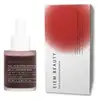
This smoothing exfoliator is formulated around Lactic Acid and Glycolic Acid to refine skin texture and brighten dull-looking skin.
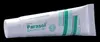
This chemical sunscreen covers most of the UV range, lighter on the deep UVA that drives aging, though its SPF isn't confirmed on file yet.


What's inside
What's inside
 Key Ingredients
Benefits
Concerns
Ingredients Side-by-side
Water
Skin ConditioningPropylene Glycol
Humectant


Lactic Acid
Buffering








Glycolic Acid
Buffering

Potassium Hydroxide
BufferingSalicylic Acid
Masking


Sodium Citrate
BufferingTriethanolamine
BufferingCitric Acid
Buffering
Gluconolactone
Skin Conditioning
Mandelic Acid
Antimicrobial
Capryloyl Salicylic Acid
Exfoliating
Camellia Sinensis Leaf Extract
Antimicrobial


Propanediol
Solvent
Aloe Barbadensis Leaf Juice
Skin Conditioning
Phenoxyethanol
Preservative
Potassium Sorbate
Preservative
Bisabolol
Antioxidant
Sodium PCA
Humectant
Mel
EmollientUrea
Buffering
Fructose
Humectant
Glucose
Humectant
Centella Asiatica Extract
Cleansing
Pentylene Glycol
Skin Conditioning
Acetyl Glucosamine
Skin Conditioning
Glucuronolactone
Skin ConditioningGlycine
Buffering
Cellulose Gum
Emulsion StabilisingLysine Hcl
Skin Conditioning
CI 16255
Cosmetic ColorantXanthan Gum
EmulsifyingPolygonum Cuspidatum Root Extract
Antioxidant
Scutellaria Baicalensis Root Extract
Astringent
Glycyrrhiza Glabra Root Extract
Bleaching
CI 27755
Cosmetic ColorantChamomilla Recutita Flower Extract
Masking
Maltodextrin
Absorbent
Rosmarinus Officinalis Leaf Extract
AntimicrobialHydrolyzed Collagen
Emollient
1,2-Hexanediol
Skin Conditioning
Parfum
Masking

Sodium Benzoate
Masking
Caprylyl Glycol
Emollient
Tropolone
Skin ConditioningEthylhexylglycerin
Skin ConditioningTetrasodium EDTA
Water, Propylene Glycol, Lactic Acid, Glycolic Acid, Potassium Hydroxide, Salicylic Acid, Sodium Citrate, Triethanolamine, Citric Acid, Gluconolactone, Mandelic Acid, Capryloyl Salicylic Acid, Camellia Sinensis Leaf Extract, Propanediol, Aloe Barbadensis Leaf Juice, Phenoxyethanol, Potassium Sorbate, Bisabolol, Sodium PCA, Mel, Urea, Fructose, Glucose, Centella Asiatica Extract, Pentylene Glycol, Acetyl Glucosamine, Glucuronolactone, Glycine, Cellulose Gum, Lysine Hcl, CI 16255, Xanthan Gum, Polygonum Cuspidatum Root Extract, Scutellaria Baicalensis Root Extract, Glycyrrhiza Glabra Root Extract, CI 27755, Chamomilla Recutita Flower Extract, Maltodextrin, Rosmarinus Officinalis Leaf Extract, Hydrolyzed Collagen, 1,2-Hexanediol, Parfum, Sodium Benzoate, Caprylyl Glycol, Tropolone, Ethylhexylglycerin, Tetrasodium EDTA
Water
Skin ConditioningEthylhexyl Methoxycinnamate
UV Absorber

Propylene Glycol
Humectant
4-Methylbenzylidene Camphor
UV Absorber
Butyl Methoxydibenzoylmethane
UV Absorber
Carbomer
Emulsion StabilisingTriethanolamine
BufferingTocopheryl Acetate
Antioxidant
Polysorbate 60
Emulsifying
Diazolidinyl Urea
Preservative
Methylparaben
Preservative
Disodium EDTA
Maltodextrin
Absorbent
Propylparaben
Preservative
Aloe Barbadensis Leaf Extract
Emollient
Ingredients Explained
These ingredients are found in both products.
Ingredients higher up in an ingredient list are typically present in a larger amount.
Maltodextrin is a plant-derived carbohydrate made by breaking down starch (usually from corn, potato, or rice). In cosmetic formulas, it's a multitasking absorbent, emulsion stabilizer, and skin conditioner.
This ingredient is mostly used to stabilize emulsions and improve the powdery, non-greasy feel of products (like dry shampoos).
Safety-wise, this ingredient is pretty solid; it's even recognized as a food additive. Both animal and clinical studies found no adverse effects at the levels used in cosmetics.
Industry data shows this ingredient is used up to 45.7% in spray products and up to 33% in powder products.
Learn more about MaltodextrinPropylene Glycol is a synthetic, colorless, odorless liquid that has been a staple in cosmetics for decades. It is a skin conditioning agent, humectant, and solvent.
As a humectant, it draw water to the skin to reduce flaking and restore suppleness. It's also a solvent that helps dissolve other actives and keeps formulas stable across temperature changes.
The CIR Expert Panel has confirmed this ingredient to be nontoxic and clinical studies show no sensitization at cosmetic use concentrations.
True allergic reactions are quite rare: a 15-year retrospective study of 6,751 patients found only 0.31% had a positive reaction (and less than half were considered clinically relevant).
It seemed that when sensitization does occur, it's most commonly linked to topical medication (like corticosteroids) and not cosmetics. Allergic contact dermatitis also appears largely limited to individuals with underlying skin conditions.
Overall, propylene glycol is a well-studied ingredient that most people can tolerate without issue.
Learn more about Propylene GlycolTriethanolamine (TEA) is an emulsifier and pH adjuster. It is created using ethylene oxide and ammonia. This gives Triethanolamine a nitrogen core and a similar scent to ammonia.
As an emulsifier, it prevents ingredients from separating and enhances texture by adding volume to a product.
PH adjusters are common in cosmetic products. The pH of a product can affect the effectiveness of other ingredients. A product with a high pH may also irritate the skin.
If you are looking for the tea leaf ingredient, click here.
Learn more about TriethanolamineWater. It's the most common cosmetic ingredient of all. You'll usually see it at the top of ingredient lists, meaning that it makes up the largest part of the product.
So why is it so popular? Water most often acts as a solvent - this means that it helps dissolve other ingredients into the formulation.
You'll also recognize water as that liquid we all need to stay alive. If you see this, drink a glass of water. Remember to stay hydrated!
Learn more about Water

