
What's inside
What's inside
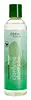 Key Ingredients
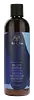
Benefits
Concerns
Ingredients Side-by-side
Water
Skin ConditioningSodium C14-16 Olefin Sulfonate
Cleansing

Cocamidopropyl Betaine
Cleansing

Mentha Piperita Oil
Masking




Hydrolyzed Wheat Protein
Skin ConditioningPanthenol
Skin Conditioning




Tocopheryl Acetate
Antioxidant


Glycerin
Humectant
Melaleuca Alternifolia Leaf Oil
Antioxidant

Polyquaternium-10
Disodium Laureth Sulfosuccinate
CleansingSodium Lauryl Sulfoacetate
CleansingSodium Sulfate
Dipropylene Glycol
HumectantEucalyptol
Perfuming
Camphor
Masking
PEG-150 Distearate
Emulsifying
Sodium Chloride
MaskingCitric Acid
Buffering
Polysorbate 20
Emulsifying
Tetrasodium EDTA
ChelatingPhenoxyethanol
Preservative
Methylchloroisothiazolinone
Preservative
Methylisothiazolinone
Preservative
Water, Sodium C14-16 Olefin Sulfonate, Cocamidopropyl Betaine, Mentha Piperita Oil, Hydrolyzed Wheat Protein, Panthenol, Tocopheryl Acetate, Glycerin, Melaleuca Alternifolia Leaf Oil, Polyquaternium-10, Disodium Laureth Sulfosuccinate, Sodium Lauryl Sulfoacetate, Sodium Sulfate, Dipropylene Glycol, Eucalyptol, Camphor, PEG-150 Distearate, Sodium Chloride, Citric Acid, Polysorbate 20, Tetrasodium EDTA, Phenoxyethanol, Methylchloroisothiazolinone, Methylisothiazolinone
Water
Skin ConditioningLauramidopropyl Hydroxysultaine
CleansingSodium Cocoyl Isethionate
Cleansing
Cocamide Mipa
Emulsifying
Betaine
Humectant
Ricinus Communis Seed Oil
Masking
Sodium Isethionate
CleansingCetearyl Alcohol
Emollient


Sodium Chloride
MaskingPiroctone Olamine
Preservative
Ceramide NP
Skin Conditioning

Ceramide EOP
Skin Conditioning
Ceramide AP
Skin Conditioning
Phytosphingosine
Skin Conditioning
Zanthoxylum Bungeanum Pericarp Extract
Skin ConditioningPhytosterols
Skin Conditioning
Hydroxypropyl Bislauramide Mea
EmollientHydroxypropyl Bisstearamide Mea
Skin ConditioningMentha Piperita Oil
Masking
Melaleuca Alternifolia Leaf Oil
Antioxidant
Menthol
Masking
Olea Europaea Fruit Oil
Masking
Polyglyceryl-10 Laurate
Skin Conditioning
Glycol Stearate
Emollient
Glyceryl Stearate
Emollient
Sodium Lauroyl Lactylate
EmulsifyingSodium Cocoyl Glutamate
Cleansing
Coconut Acid
Cleansing
Glycerin
Humectant
Polyquaternium-7
Stearic Acid
Cleansing
Trisodium Dicarboxymethyl Alaninate
ChelatingHydroxypropyl Cyclodextrin
MaskingCaprylyl Glycol
Emollient
Ethylhexylglycerin
Skin ConditioningSodium Benzoate
Masking
Potassium Sorbate
Preservative
Citric Acid
Buffering
Limonene
Perfuming
Water, Lauramidopropyl Hydroxysultaine, Sodium Cocoyl Isethionate, Cocamide Mipa, Betaine, Ricinus Communis Seed Oil, Sodium Isethionate, Cetearyl Alcohol, Sodium Chloride, Piroctone Olamine, Ceramide NP, Ceramide EOP, Ceramide AP, Phytosphingosine, Zanthoxylum Bungeanum Pericarp Extract, Phytosterols, Hydroxypropyl Bislauramide Mea, Hydroxypropyl Bisstearamide Mea, Mentha Piperita Oil, Melaleuca Alternifolia Leaf Oil, Menthol, Olea Europaea Fruit Oil, Polyglyceryl-10 Laurate, Glycol Stearate, Glyceryl Stearate, Sodium Lauroyl Lactylate, Sodium Cocoyl Glutamate, Coconut Acid, Glycerin, Polyquaternium-7, Stearic Acid, Trisodium Dicarboxymethyl Alaninate, Hydroxypropyl Cyclodextrin, Caprylyl Glycol, Ethylhexylglycerin, Sodium Benzoate, Potassium Sorbate, Citric Acid, Limonene
Ingredients Explained
These ingredients are found in both products.
Ingredients higher up in an ingredient list are typically present in a larger amount.
Citric Acid is an alpha hydroxy acid (AHA) naturally found in citrus fruits like oranges, lemons, and limes.
Like other AHAs, citric acid can exfoliate skin by breaking down the bonds that hold dead skin cells together. This helps reveal smoother and brighter skin underneath.
However, this exfoliating effect only happens at high concentrations (20%) which can be hard to find in cosmetic products.
Due to this, citric acid is usually included in small amounts as a pH adjuster. This helps keep products slightly more acidic and compatible with skin's natural pH.
In skincare formulas, citric acid can:
While it can provide some skin benefits, research shows lactic acid and glycolic acid are generally more effective and less irritating exfoliants.
Most citric acid used in skincare today is made by fermenting sugars (usually from molasses). This synthetic version is identical to the natural citrus form but easier to stabilize and use in formulations.
Rosacea skin has a lower threshold for acids generally, with 62.5% of rosacea subjects in one study reacting to lactic acid in a sting test. This is why we mark citric acid as a potential rosacea trigger.
However, this ingredient shows up as a pH adjuster or chelator at roughly 0.1-1% in many products. These low levels are unlikely to be an issue for rosacea skin and becomes a potential trigger at exfoliating concentrations (20%). Because everybody's skin is unique, we recommend a patch test if you are unsure.
Learn more about Citric AcidGlycerin (or glycerol) is a compound naturally found in your skin. It's a powerhouse humectant that pulls water into the stratum corneum.
Topically, glycerin does several things at once:
Your skin makes glycerin on its own (mostly from sebaceous oil breakdown) and shuttles it to your outermost layer of skin, or your epidermis, via aquaporin-3.
Aquaporin-3 is a transporter that is essential for normal skin hydration, elasticity, and repair. Interestingly, mice lacking in AQP3 have dry and less elastic skin that can be fully corrected with glycerin.
This ingredient is non-irritating, plays well with almost every ingredient, and works across all skin types. Typical use is anywhere between 3-10% but can go up to 79% in some leave-on products.
Just know very high concentrations (>40%) can feel tacky in low humidity.
Glycerin is the name for this ingredient in American English. British English uses Glycerol/Glycerine.
Learn more about GlycerinThis ingredient is also known as tea tree oil. It has antioxidant, anti-inflammatory, and antimicrobial properties.
Tea tree oil is a complex lipophilic (fat-loving) oil that contains around 100 compounds with terpinen-4-ol being the most abundant (~40%).
Terpinen-4-ol is responsible for tea tree oil's broad-spectrum antimicrobial activity and makes it a well-researched option for acne.
Clinical studies support 5% tea tree oil as an effective topical treatment for mild to moderate acne. A study with 124 patients compared 5% tea tree oil gel to 5% benzoyl peroxide and both reduced acne (though tea tree oil worked more slowly).
Besides acne, it is also seen in anti-dandruff shampoos and scalp treatments for it's antimicrobial and anti-seborrheic properties.
Safety-wise, the allergic potential of low concentrations on healthy skin is considered low. However, oxidized (old or improperly stored) tea tree oil is a stronger sensitizer.
Irritation can also occur if using the undiluted oil on skin; it's best to use this ingredient as part of a carefully crafted cosmetic formula. This is because regulations require tea tree oil in cosmetics to be stabilized to prevent degradation.
This ingredient has been deemed safe up to 2% in shampoo, 1% in cleansers, and 0.1% in face cream by the EU's Scientific Committee on Consumer Safety (SCCS).
There is some lab evidence that tea tree oil is antifungal against Malassezia, but it is a supportive option at best and not a replacement for proven antifungal treatments.
Learn more about Melaleuca Alternifolia Leaf OilThis essential oil is steam-distilled from peppermint leaves, also known as peppermint oil. It's mainly used for scent in skincare but also provides that signature "cooling" sensation.
Peppermint oil is a "feels amazing" ingredient until it doesn't.
At higher doses or for those with sensitive skin, methol-type cooling can quickly turn into burning/irritation. It can also trigger irritant dermatitis or even allergic contact dermatitis. In a large patch-test dataset, peppermint oil had a low but positive rate for this.
In cosmetics, Cosmetic Safety Reviews (CIR) concludes that peppermint oil is safe to use when formulated to be non-sensitizing with some restrictions; for instance, pulegone, a naturally occurring component of peppermint oil, should not exceed 1%.
Since peppermint oil contains fragrance allergens such as limonene, linalool, and menthol, it can be sensitizing for those with rosacea, eczema, a broken skin barrier, or just sensitive skin in general.
In Japan, this ingredient is known as Hakka Yu.
Learn more about Mentha Piperita OilChances are, you eat sodium chloride every day. Sodium Chloride is also known as table salt. This ingredient has many purposes in skincare: thickener, emulsifier, and exfoliator.
You'll most likely find this ingredient in cleansers where it is used to create a gel-like texture. As an emulsifier, it also prevents ingredients from separating.
You might see people debate whether Sodium Chloride is comedogenic, but there actually haven't been any comedogenic tests done on it. Either way, the overall formulation of a product matters a lot more than any single ingredient.
You might see this ingredient used in scrubs as a primary exfoliating ingredient.
Learn more about Sodium ChlorideWater. It's the most common cosmetic ingredient of all. You'll usually see it at the top of ingredient lists, meaning that it makes up the largest part of the product.
So why is it so popular? Water most often acts as a solvent - this means that it helps dissolve other ingredients into the formulation.
You'll also recognize water as that liquid we all need to stay alive. If you see this, drink a glass of water. Remember to stay hydrated!
Learn more about Water

