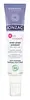
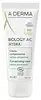
Eau Thermale Jonzac Anti-rougeurs Soothing Light Cream Versus A-derma Biology AC Hydra Compensating Cream
This calming moisturizer is formulated around Lactobacillus Ferment and Phytosphingosine to calm redness and strengthen the skin barrier.
This barrier-repair moisturizer is formulated around Simmondsia Chinensis Seed Oil to strengthen the skin barrier and hydrate skin.

What's inside
What's inside
 Key Ingredients
Benefits
Concerns
Ingredients Side-by-side
Water
Skin ConditioningHamamelis Virginiana Leaf Water
Astringent
Dicaprylyl Carbonate
EmollientCoco-Caprylate/Caprate
Emollient
Glycerin
Humectant


Glyceryl Stearate Citrate
Emollient

Octyldodecanol
Emollient
Polyglyceryl-6 Stearate
Emollient
Lactobacillus Ferment
Skin Conditioning
Sodium Stearoyl Glutamate
CleansingJojoba Esters
Emollient
Hydrogenated Lecithin
Emulsifying
Sodium Levulinate
Skin ConditioningSodium Benzoate
Masking
Xanthan Gum
EmulsifyingGlyceryl Undecylenate
Emollient
Lactic Acid
Buffering







Glyceryl Caprylate
EmollientPhytic Acid
Chelating
Cellulose Gum
Emulsion StabilisingChondrus Crispus
Masking
Ceratonia Siliqua Gum
EmollientSucrose
Humectant
Phytosphingosine
Skin Conditioning
Chlorella Vulgaris Extract
Skin ConditioningCI 77492
Cosmetic ColorantGinkgo Biloba Leaf Extract
Skin Conditioning
Tocopherol
Antioxidant

CI 77510
Cosmetic ColorantTalc
Abrasive
Helianthus Annuus Seed Oil
Emollient
Glycine Soja Oil
Emollient
Water, Hamamelis Virginiana Leaf Water, Dicaprylyl Carbonate, Coco-Caprylate/Caprate, Glycerin, Glyceryl Stearate Citrate, Octyldodecanol, Polyglyceryl-6 Stearate, Lactobacillus Ferment, Sodium Stearoyl Glutamate, Jojoba Esters, Hydrogenated Lecithin, Sodium Levulinate, Sodium Benzoate, Xanthan Gum, Glyceryl Undecylenate, Lactic Acid, Glyceryl Caprylate, Phytic Acid, Cellulose Gum, Chondrus Crispus, Ceratonia Siliqua Gum, Sucrose, Phytosphingosine, Chlorella Vulgaris Extract, CI 77492, Ginkgo Biloba Leaf Extract, Tocopherol, CI 77510, Talc, Helianthus Annuus Seed Oil, Glycine Soja Oil
Water
Skin ConditioningCaprylic/Capric Triglyceride
Masking
Glycerin
Humectant
Cetearyl Alcohol
Emollient
Pentylene Glycol
Skin Conditioning
Behenyl Alcohol
Emollient
Glyceryl Stearate
Emollient
Hydrogenated Vegetable Oil
Emollient
Microcrystalline Cellulose
AbsorbentCetearyl Glucoside
Emulsifying
Simmondsia Chinensis Seed Oil
Emollient
Garcinia Mangostana Peel Extract
Skin ConditioningAvena Sativa Flower/Leaf/Stem Juice
Skin ConditioningSodium Hyaluronate
Humectant
Taraxacum Officinale Rhizome/Root Extract
Skin ConditioningAloe Barbadensis Leaf Juice Powder
Skin Conditioning
Citric Acid
Buffering
Parfum
Masking

Glyceryl Caprylate
EmollientHelianthus Annuus Seed Oil
Emollient
Maltodextrin
Absorbent
Sodium Benzoate
Masking
Sodium Stearoyl Glutamate
CleansingTocopherol
Antioxidant
Xanthan Gum
EmulsifyingWater, Caprylic/Capric Triglyceride, Glycerin, Cetearyl Alcohol, Pentylene Glycol, Behenyl Alcohol, Glyceryl Stearate, Hydrogenated Vegetable Oil, Microcrystalline Cellulose, Cetearyl Glucoside, Simmondsia Chinensis Seed Oil, Garcinia Mangostana Peel Extract, Avena Sativa Flower/Leaf/Stem Juice, Sodium Hyaluronate, Taraxacum Officinale Rhizome/Root Extract, Aloe Barbadensis Leaf Juice Powder, Citric Acid, Parfum, Glyceryl Caprylate, Helianthus Annuus Seed Oil, Maltodextrin, Sodium Benzoate, Sodium Stearoyl Glutamate, Tocopherol, Xanthan Gum
Reviews
Ingredients Explained
These ingredients are found in both products.
Ingredients higher up in an ingredient list are typically present in a larger amount.
Glycerin (or glycerol) is a compound naturally found in your skin. It's a powerhouse humectant that pulls water into the stratum corneum.
Topically, glycerin does several things at once:
Your skin makes glycerin on its own (mostly from sebaceous oil breakdown) and shuttles it to your outermost layer of skin, or your epidermis, via aquaporin-3.
Aquaporin-3 is a transporter that is essential for normal skin hydration, elasticity, and repair. Interestingly, mice lacking in AQP3 have dry and less elastic skin that can be fully corrected with glycerin.
This ingredient is non-irritating, plays well with almost every ingredient, and works across all skin types. Typical use is anywhere between 3-10% but can go up to 79% in some leave-on products.
Just know very high concentrations (>40%) can feel tacky in low humidity.
Glycerin is the name for this ingredient in American English. British English uses Glycerol/Glycerine.
Learn more about GlycerinGlyceryl Caprylate comes from glycerin and caprylic acid. It is an emollient, co-emulsifier, and preservative booster.
Its short C8 fatty acid chain makes it behave differently from its longer-chain emollient cousins like Glyceryl Stearate. It feels more lightweight, fast-absorbing, and silky instead of rich and waxy.
As a co-emulsifier, its "head" and "tail" sit at the oil-water interface. But overall, the short C8 tail and not being water soluble means it doesn't really have the muscle to emulsify a formula on its own. That's why you'll often see it paired with a primary emulsifier like Cetearyl Glucoside.
Interestingly, Glyceryl Caprylate acts as a preservative booster. This is because its fatty-acid backbone disrupts microbial lipid membranes. It shows excellent activity against bacteria and yeast but is weaker against mold.
Typical concentrations range from 0.5-1% and this ingredient is generally non-irritating.
Because this ingredient has a C8 fatty acid chain, it is outside the range that the Malassezia yeast metabolizes (making it fungal acne safe).
Learn more about Glyceryl CaprylateHelianthus Annuus Seed Oil is a plant oil derived from the seeds of a sunflower.
It is rich in fatty acids, primarily linoleic acid and oleic acid. This gives it emollient and skin conditioning properties.
The reason this ingredient is so effective is because it forms a thin film on the skin that reduces transepidermal water loss (TEWL) while supplying linoleic acid to the stratum corneum to improve barrier strength.
The high linoleic acid content is particularly noteworthy for acne-prone skin.
Research suggests that acne-prone skin tends to be deficient in linoleic acid in sebum. Topical application may help replenish this to support a healthier follicular environment and less comedone-promoting sebum.
One randomized study found sunflower seed oil preserved skin barrier integrity in adult volunteers with and without atopic dermatitis (outperforming olive oil).
This ingredient is well-studied, gentle, and an effective emollient suitable for most skin types.
On fungal acne: This ingredient may not be Fungal acne (Malassezia folliculitis) safe. This is because it contains fatty acids with carbon chain lengths in the C11-C24 range.
Learn more about Helianthus Annuus Seed OilSodium Benzoate is a preservative. It's used in both cosmetic and food products to inhibit the growth of mold and bacteria. It is typically produced synthetically.
Both the US FDA and EU Health Committee have approved the use of sodium benzoate. In the US, levels of 0.1% (of the total product) are allowed.
Sodium benzoate works as a preservative by inhibiting the growth of bacteria inside of cells. It prevents the cell from fermenting a type of sugar using an enzyme called phosphofructokinase.
It is the salt of benzoic acid. Foods containing sodium benzoate include soda, salad dressings, condiments, fruit juices, wines, and snack foods.
Studies for using ascorbic acid and sodium benzoate in cosmetics are lacking, especially in skincare routines with multiple steps.
We always recommend speaking with a professional, such as a dermatologist, if you have any concerns.
Learn more about Sodium BenzoateSodium Stearoyl Glutamate is an amino-acid based emulsifier. It is made by combining stearic acid with L-glutamic acid and neutralizing it to a sodium salt.
As an emulsifier, it works mainly as an oil-in-water one and helps keep the oil and water in your formulas blended. It also contributes to a smooth, non-greasy skin feel.
This ingredient is biodegradable and commonly available in natural/COSMOS-certified grades.
Learn more about Sodium Stearoyl GlutamateTocopherol is a fat-soluble antioxidant known as Vitamin E.
You'll find this ingredient in the vast majority of skincare (for good reason). It works to neutralize free radicals, or unstable molecules generated by UV exposure, pollution, and other environmental stressors, before they can cause oxidative damage to your skin cells.
Topically applied tocopherol has been shown to protect against UV damage by ramping up the skin's own natural defense enzymes.
It also acts as a skin conditioning agent; some studies show that regular topical use can improve the skin's water-binding capacity over 2-4 weeks.
This ingredient is especially loved for being a team player. When combined with Vitamin C, the photoprotective effect of both ingredients roughly doubles and the combo also helps reduce UV-induced DNA damage.
This ingredient has some brightening potential but it's more of a prevention ingredient than spot-fader. Cell studies show it can slow down melanin production but it's worth noting that it's not the most powerful brightener out there.
In formulations, it also serves as a stabilizer that helps protect other oxidation-prone ingredients from degrading.
Concentrations usually range from 0.1-1% in most leave-on products.
Learn more about TocopherolWater. It's the most common cosmetic ingredient of all. You'll usually see it at the top of ingredient lists, meaning that it makes up the largest part of the product.
So why is it so popular? Water most often acts as a solvent - this means that it helps dissolve other ingredients into the formulation.
You'll also recognize water as that liquid we all need to stay alive. If you see this, drink a glass of water. Remember to stay hydrated!
Learn more about WaterXanthan gum is used as a stabilizer and thickener within cosmetic products. It helps give products a sticky, thick feeling - preventing them from being too runny.
On the technical side of things, xanthan gum is a polysaccharide - a combination consisting of multiple sugar molecules bonded together.
Xanthan gum is a pretty common and great ingredient. It is a natural, non-toxic, non-irritating ingredient that is also commonly used in food products.
Learn more about Xanthan Gum


