
What's inside
What's inside
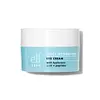 Key Ingredients
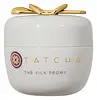
Benefits
Concerns
Ingredients Side-by-side
Water
Skin ConditioningGlycerin
Humectant


Caprylic/Capric Triglyceride
Masking
Glyceryl Stearate Citrate
Emollient
Jojoba Esters
Emollient
Diisostearyl Malate
EmollientC10-18 Triglycerides
Emollient
Cetearyl Alcohol
Emollient


Silica
Abrasive


Palmitoyl Tripeptide-1
Skin Conditioning


Palmitoyl Tetrapeptide-7
Skin Conditioning
Soluble Collagen
Humectant
Sodium Hyaluronate
Humectant

Tocopherol
Antioxidant



Helianthus Annuus Seed Oil
Emollient
Butylene Glycol
Humectant
1,2-Hexanediol
Skin Conditioning
Potassium Cetyl Phosphate
EmulsifyingPolysorbate 20
Emulsifying
Polysorbate 80
Emulsifying
Isohexadecane
EmollientSodium Acrylate/Sodium Acryloyldimethyl Taurate Copolymer
Emulsion StabilisingCarbomer
Emulsion StabilisingHydroxyacetophenone
Antioxidant
Disodium EDTA
Water, Glycerin, Caprylic/Capric Triglyceride, Glyceryl Stearate Citrate, Jojoba Esters, Diisostearyl Malate, C10-18 Triglycerides, Cetearyl Alcohol, Silica, Palmitoyl Tripeptide-1, Palmitoyl Tetrapeptide-7, Soluble Collagen, Sodium Hyaluronate, Tocopherol, Helianthus Annuus Seed Oil, Butylene Glycol, 1,2-Hexanediol, Potassium Cetyl Phosphate, Polysorbate 20, Polysorbate 80, Isohexadecane, Sodium Acrylate/Sodium Acryloyldimethyl Taurate Copolymer, Carbomer, Hydroxyacetophenone, Disodium EDTA
Saccharomyces/Rice Ferment Filtrate
Skin Conditioning
Water
Skin ConditioningGlycerin
Humectant
Propanediol
Solvent
Squalane
Emollient
Dimethicone
Emollient
Behenyl Alcohol
Emollient
Myristyl Myristate
Emollient
Glyceryl Stearate Se
Emulsifying
Cera Alba
Emollient
Whey Protein
Skin ConditioningInositol
Humectant
Silica
Abrasive
Caprylic/Capric/Myristic/Stearic Triglyceride
EmollientCamellia Sinensis Leaf Extract
Antimicrobial
Cladosiphon Okamuranus Extract
Skin ConditioningPaeonia Albiflora Flower Extract
TonicHydrolyzed Silk
Humectant
Sericin
Skin ConditioningGeranium Robertianum Extract
AstringentChondrus Crispus Extract
Skin Conditioning
Yeast Ferment Extract
Skin ConditioningSargassum Vulgare Extract
Skin ConditioningSodium Hyaluronate
Humectant
Isostearic Acid
Cleansing
Sodium Stearoyl Glutamate
CleansingSodium Polyacrylate Starch
AbsorbentStearyl Alcohol
Emollient
Sorbitan Isostearate
Emulsifying
Polysorbate 60
Emulsifying
Tocopheryl Acetate
Antioxidant
Tocopherol
Antioxidant
Hydroxyethyl Acrylate/Sodium Acryloyldimethyl Taurate Copolymer
Emulsion StabilisingSodium Benzoate
Masking
Gluconolactone
Skin Conditioning

Butylene Glycol
Humectant
Ethylhexylglycerin
Skin ConditioningParfum
Masking



Phenoxyethanol
Preservative
Citral
Perfuming

Limonene
Perfuming
Linalool
Perfuming
Mica
Cosmetic ColorantTin Oxide
Abrasive
CI 77891
Cosmetic ColorantSaccharomyces/Rice Ferment Filtrate, Water, Glycerin, Propanediol, Squalane, Dimethicone, Behenyl Alcohol, Myristyl Myristate, Glyceryl Stearate Se, Cera Alba, Whey Protein, Inositol, Silica, Caprylic/Capric/Myristic/Stearic Triglyceride, Camellia Sinensis Leaf Extract, Cladosiphon Okamuranus Extract, Paeonia Albiflora Flower Extract, Hydrolyzed Silk, Sericin, Geranium Robertianum Extract, Chondrus Crispus Extract, Yeast Ferment Extract, Sargassum Vulgare Extract, Sodium Hyaluronate, Isostearic Acid, Sodium Stearoyl Glutamate, Sodium Polyacrylate Starch, Stearyl Alcohol, Sorbitan Isostearate, Polysorbate 60, Tocopheryl Acetate, Tocopherol, Hydroxyethyl Acrylate/Sodium Acryloyldimethyl Taurate Copolymer, Sodium Benzoate, Gluconolactone, Butylene Glycol, Ethylhexylglycerin, Parfum, Phenoxyethanol, Citral, Limonene, Linalool, Mica, Tin Oxide, CI 77891
Reviews
Ingredients Explained
These ingredients are found in both products.
Ingredients higher up in an ingredient list are typically present in a larger amount.
Butylene Glycol (or BG) is used within cosmetic products for a few different reasons:
Overall, Butylene Glycol is a safe and well-rounded ingredient that works well with other ingredients.
Though this ingredient works well with most skin types, some people with sensitive skin may experience a reaction such as allergic rashes, closed comedones, or itchiness.
Learn more about Butylene GlycolGlycerin (or glycerol) is a compound naturally found in your skin. It's a powerhouse humectant that pulls water into the stratum corneum.
Topically, glycerin does several things at once:
Your skin makes glycerin on its own (mostly from sebaceous oil breakdown) and shuttles it to your outermost layer of skin, or your epidermis, via aquaporin-3.
Aquaporin-3 is a transporter that is essential for normal skin hydration, elasticity, and repair. Interestingly, mice lacking in AQP3 have dry and less elastic skin that can be fully corrected with glycerin.
This ingredient is non-irritating, plays well with almost every ingredient, and works across all skin types. Typical use is anywhere between 3-10% but can go up to 79% in some leave-on products.
Just know very high concentrations (>40%) can feel tacky in low humidity.
Glycerin is the name for this ingredient in American English. British English uses Glycerol/Glycerine.
Learn more about GlycerinSilica, also known as silicon dioxide, is a naturally occurring mineral. It is used as a fine, spherical, and porous powder in cosmetics.
Though it has exfoliant properties, the function of silica varies depending on the product.
The unique structure of silica enhances the spreadability and adds smoothness, making it a great texture enhancer.
It is also used as an active carrier, emulsifier, and mattifier due to its ability to absorb excess oil.
In some products, tiny microneedles called spicules are made from silica or hydrolyzed sponge. When you rub them in, they lightly polish away dead skin layers and enhance the penetration of active ingredients.
Learn more about SilicaSodium Hyaluronate is the salt form of hyaluronic acid. It is a long sugar chain that is naturally found in your skin, joints, and connective tissue that maintains hydration and elasticity.
In skincare, it works as a humectant. It pulls water from the environment and deeper layers of skin and binds it to the surface.
Interestingly, the size of the molecule affects its behavior:
Some clinical evidence links low molecular weight versions to improved wrinkle depth, elasticity, anti-inflammatory effects, and barrier repair.
Many serums use a blend of both weights so you can get surface hydration plus longer-lasting and deeper effects.
You'll typically see concentrations between 0.1-2% for this ingredient.
Learn more about Sodium HyaluronateTocopherol is a fat-soluble antioxidant known as Vitamin E.
You'll find this ingredient in the vast majority of skincare (for good reason). It works to neutralize free radicals, or unstable molecules generated by UV exposure, pollution, and other environmental stressors, before they can cause oxidative damage to your skin cells.
Topically applied tocopherol has been shown to protect against UV damage by ramping up the skin's own natural defense enzymes.
It also acts as a skin conditioning agent; some studies show that regular topical use can improve the skin's water-binding capacity over 2-4 weeks.
This ingredient is especially loved for being a team player. When combined with Vitamin C, the photoprotective effect of both ingredients roughly doubles and the combo also helps reduce UV-induced DNA damage.
This ingredient has some brightening potential but it's more of a prevention ingredient than spot-fader. Cell studies show it can slow down melanin production but it's worth noting that it's not the most powerful brightener out there.
In formulations, it also serves as a stabilizer that helps protect other oxidation-prone ingredients from degrading.
Concentrations usually range from 0.1-1% in most leave-on products.
Learn more about TocopherolWater. It's the most common cosmetic ingredient of all. You'll usually see it at the top of ingredient lists, meaning that it makes up the largest part of the product.
So why is it so popular? Water most often acts as a solvent - this means that it helps dissolve other ingredients into the formulation.
You'll also recognize water as that liquid we all need to stay alive. If you see this, drink a glass of water. Remember to stay hydrated!
Learn more about Water
