This hybrid sunscreen covers the full UV range and blocks ~98% of UVB at SPF 50.
This hybrid sunscreen covers the full UV range and blocks ~98% of UVB at SPF 50.


What's inside
What's inside
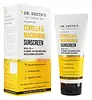 Key Ingredients
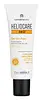
Benefits
Concerns
Ingredients Side-by-side
Cyclopentasiloxane
Emollient
Dimethicone/Vinyl Dimethicone Crosspolymer
Skin Conditioning
Ethylhexyl Methoxycinnamate
UV Absorber


Caprylyl Methicone
Skin Conditioning
PEG-12 Dimethicone/PPG-20 Crosspolymer
C12-15 Alkyl Benzoate
AntimicrobialZinc Oxide
Cosmetic Colorant
Triethoxycaprylylsilane
Diethylhexyl Butamido Triazone
UV Absorber
Diethylamino Hydroxybenzoyl Hexyl Benzoate
UV Filter
Niacinamide
Smoothing










Tapioca Starch
Polymethylsilsesquioxane
Titanium Dioxide
Cosmetic Colorant
Alumina
Abrasive
Simethicone
Emollient
Bis-Ethylhexyloxyphenol Methoxyphenyl Triazine
Skin Conditioning
Dicaprylyl Carbonate
EmollientCentella Asiatica Extract
Cleansing
Diethylhexyl Syringylidenemalonate
Skin ProtectingCaprylic/Capric Triglyceride
Masking

Cyclopentasiloxane, Dimethicone/Vinyl Dimethicone Crosspolymer, Ethylhexyl Methoxycinnamate, Caprylyl Methicone, PEG-12 Dimethicone/PPG-20 Crosspolymer, C12-15 Alkyl Benzoate, Zinc Oxide, Triethoxycaprylylsilane, Diethylhexyl Butamido Triazone, Diethylamino Hydroxybenzoyl Hexyl Benzoate, Niacinamide, Tapioca Starch, Polymethylsilsesquioxane, Titanium Dioxide, Alumina, Simethicone, Bis-Ethylhexyloxyphenol Methoxyphenyl Triazine, Dicaprylyl Carbonate, Centella Asiatica Extract, Diethylhexyl Syringylidenemalonate, Caprylic/Capric Triglyceride
Water
Skin ConditioningC12-15 Alkyl Benzoate
AntimicrobialArginine
Masking
Phenylbenzimidazole Sulfonic Acid
UV Absorber
Disodium Phenyl Dibenzimidazole Tetrasulfonate
UV Absorber
Bis-Ethylhexyloxyphenol Methoxyphenyl Triazine
Skin Conditioning
Titanium Dioxide
Cosmetic Colorant
Hexylene Glycol
EmulsifyingC14-22 Alcohols
Emulsion Stabilising
C12-20 Alkyl Glucoside
EmulsifyingDiethylamino Hydroxybenzoyl Hexyl Benzoate
UV Filter
Nylon-12
Myristyl Alcohol
Emollient




Dipropylene Glycol Dibenzoate
EmollientDiethylhexyl Butamido Triazone
UV Absorber
Phenoxyethanol
Preservative
Polypodium Leucotomos Leaf Extract
Skin Protecting
Ethylhexyl Ferulate
Antioxidant
Ferulic Acid
Antimicrobial
Caffeic Acid
Antioxidant
Physalis Angulata Extract
Skin ProtectingCeteareth-25
CleansingCaprylyl Glycol
Emollient
Melanin
Skin ProtectingMyristyl Glucoside
CleansingEthylhexyl Triazone
UV Absorber
Caprylyl Methicone
Skin Conditioning
Hydrolyzed Wheat Protein/Pvp Crosspolymer
Glycerin
Humectant
3-O-Ethyl Ascorbic Acid
Skin Conditioning
Alumina
Abrasive
PPG-15 Stearyl Ether Benzoate
EmollientDisodium Ethylene Dicocamide PEG-15 Disulfate
Cleansing
Camellia Sinensis Extract
Antioxidant
Ethylhexylglycerin
Skin ConditioningTocopheryl Acetate
Antioxidant
Xanthan Gum
EmulsifyingPhytosphingosine Hcl
Skin ConditioningArabidopsis Thaliana Extract
Antioxidant
Ethyl Lauroyl Arginate Hcl
Skin ConditioningPanthenyl Triacetate
Parfum
Masking

Simethicone
Emollient
Oxothiazolidine
Skin ProtectingDisodium EDTA
Silica
Abrasive
Ethyl Linoleate
Emollient
Caprylic/Capric Triglyceride
Masking
Oleyl Alcohol
Emollient
Butylene Glycol
Humectant
Lecithin
Emollient
Sodium Benzoate
Masking
Tocopherol
Antioxidant
Linalool
Perfuming
Limonene
Perfuming
Water, C12-15 Alkyl Benzoate, Arginine, Phenylbenzimidazole Sulfonic Acid, Disodium Phenyl Dibenzimidazole Tetrasulfonate, Bis-Ethylhexyloxyphenol Methoxyphenyl Triazine, Titanium Dioxide, Hexylene Glycol, C14-22 Alcohols, C12-20 Alkyl Glucoside, Diethylamino Hydroxybenzoyl Hexyl Benzoate, Nylon-12, Myristyl Alcohol, Dipropylene Glycol Dibenzoate, Diethylhexyl Butamido Triazone, Phenoxyethanol, Polypodium Leucotomos Leaf Extract, Ethylhexyl Ferulate, Ferulic Acid, Caffeic Acid, Physalis Angulata Extract, Ceteareth-25, Caprylyl Glycol, Melanin, Myristyl Glucoside, Ethylhexyl Triazone, Caprylyl Methicone, Hydrolyzed Wheat Protein/Pvp Crosspolymer, Glycerin, 3-O-Ethyl Ascorbic Acid, Alumina, PPG-15 Stearyl Ether Benzoate, Disodium Ethylene Dicocamide PEG-15 Disulfate, Camellia Sinensis Extract, Ethylhexylglycerin, Tocopheryl Acetate, Xanthan Gum, Phytosphingosine Hcl, Arabidopsis Thaliana Extract, Ethyl Lauroyl Arginate Hcl, Panthenyl Triacetate, Parfum, Simethicone, Oxothiazolidine, Disodium EDTA, Silica, Ethyl Linoleate, Caprylic/Capric Triglyceride, Oleyl Alcohol, Butylene Glycol, Lecithin, Sodium Benzoate, Tocopherol, Linalool, Limonene
Reviews
Ingredients Explained
These ingredients are found in both products.
Ingredients higher up in an ingredient list are typically present in a larger amount.
Alumina (aka aluminum oxide) is an inorganic mineral powder refined from bauxite that works as a quiet workhorse in a formula.
It shows up often as an abrasive, absorbent, anticaking, bulking, and viscosity-controlling agent.
One of its most common jobs is acting as a pigment carrier and dispersant.
Alumina platelets are often blended with inorganic sunscreens like Titanium Dioxide (or with colorants) and then coated with a silicone such as Triethoxycaprylylsilane so the pigment spreads evenly and smoothly.
In makeup, it can also double as a light-diffusing powder or oil absorber to keep formulas from looking greasy.
The Cosmetic Ingredient Review Expert Panel has concluded alumina to be safe in present practices of use and concentration.
They note it's a stable, oxidized compound and scientific research has failed to establish links to health issues.
Concentrations vary depending on the product:
Learn more about AluminaThis ingredient is better known as bemotrizinol or Tinosorb S and is one of the best broad-spectrum UV filters in modern sunscreen.
It works by absorbing UV light across a whole range (280-400 nm) with peaks around 310 nm (UVB) and 340-345 nm (UVA). This means it covers UVB plus the deeper UVA wavelengths that drive photoaging and pigmentation.
Another pro?
It's exceptionally photostable, barely degrades in sunlight, and acts as a "bodyguard" for less stable filters.
That's why you'll see it paired with avobenzone or octinoxate; this team up ensures they keep working through sun exposure.
Safety reviews have been reassuring across the board. This ingredient shows low absorption through the skin, rarely irritates, and lab studies found it doesn't act like a hormone in the body (a concern that's been raised about some older sunscreen filters).
On maximum concentrations:
In 2026, the US F.D.A finally added it as an OTC sunscreen ingredient at concentrations up to 6% for adults / children 6 months and older
Learn more about Bis-Ethylhexyloxyphenol Methoxyphenyl TriazineC12-15 Alkyl Benzoate is a lightweight emollient made by combinig benzoic acid with fatty alcohols that are 12-15 carbons long.
In cosmetics, it plays several roles:
The Cosmetic Review Expert Panel has concluded the alkyl benzoate group to be safe as used in cosmetics; it wasn't found to be a skin irritant and unlikely to be absorbed due to its low water solubility.
This report recorded almost 1000 reported uses with concentrations up to 59% in leave-on products but your cosmetics will typically use 0.5-15% depending on the product.
It's often called a "SPF booster": this is because it keeps UV filters properly dissolved and evenly distributed to support a sunscreen's performance. It doesn't actually raise SPF on its own.
Overall, this ingredient is well tolerated.
This ingredient is fungal acne safe because it is an ester of benzoic acid.
Think of this ingredient as two parts stuck together: an oily part and an acid part. Malassezia only gets a meal when it can snip off a fatty acid to eat. With C12-15 Alkyl Benzoate, the acid part is benzoic acid, which isn't a fatty acid and which the yeast can't use as food.
Benzoic acid is actually used as a preservative to stop yeast from growing.
The oily part is a blend of C12-15 fatty alcohols but fatty alcohols in this size range can support only a little Malassezia growth (mostly for one species of Malassezia as well).
In the ingredient, those alcohols stay locked inside the molecule. The yeast can only reach them by snipping the benzoate bond, and that type of bond is harder for it to cut than a normal fatty bond.
So not much gets released. And whatever does get snipped comes packaged with benzoic acid, which discourages yeast growth.
Learn more about C12-15 Alkyl BenzoateCaprylic/Capric Triglyceride (aka MCT Oil) is a lightweight emollient, solvent, and texture enhancer. It is considered a skin-softener by helping to prevent moisture loss.
Though it behaves like an oil, it is not technically one due to its chemical composition. One perk of this ingredient is that it is very stable, resistant to oxidation, and unlikely to go rancid.
In practice, that translates to a long shelf life and a consistently elegant skin feel.
While there is an assumption Caprylic Triglyceride can clog pores due to it being derived from coconut oil, there is no research supporting this. Just patch test if you have concerns.
Fractionated coconut oil and MCT Oil are both listed as Caprylic/Capric Triglyceride according to INCI. This is because INCI names are based on the ingredient’s final chemical composition and not its marketing name or source.
This ingredient is treated as the gold standard fungal acne safe oil. Even though it is coconut derived, the problematic lauric acid is stripped out.
This leaves just caprylic (C8) and capric (C10) acid. These chain lengths actually trend antifungal; a 2020 study found caprylic acid was enough to disrupt Malassezia furfur cell membrane, with a caprylic acid derivative damaging membrane structures at concentrations as low as 0.2%.
Learn more about Caprylic/Capric TriglycerideCaprylyl Methicone is a synthetic and lightweight silicone fluid. It gives products a silky, dry-touch finish without the heaviness of pure oils.
Though the EU CosIng Database lists this ingredient as a skin conditioner, it is also used for sensory reasons. It spreads easily, cuts greasiness, and reduces tackiness.
This ingredient is volatile which means it will mostly evaporate (but it evaporates slower than older cyclomethicones, like Cyclotetrasiloxane).
Typical concentration ranges from 1-30% depending on if it's being used to tweak the feel of a product or acting as the main emollient.
Learn more about Caprylyl MethiconeDiethylamino Hydroxybenzoyl Hexyl Benzoate (DHHB) is a chemical UV-A absorber. It is formulated for high UVA protection (320-400 nm).
DHHB is well-liked for:
DHHB has been approved by the EU, Japan, Taiwan, and South America for use up to 10%. Unfortunately, it has not been approved for use in the US or Canada due to slow regulatory processes.
This ingredient is soluble in oils, fats, and lipids.
Learn more about Diethylamino Hydroxybenzoyl Hexyl BenzoateDiethylhexyl Butamido Triazone (aka Iscotrizinol) is an oil-soluble organic UV filter that mainly absorbs UVB and a bit of UVA II light.
This ingredient is great at preventing sunburn but doesn't cover the deep UVA I range. This is why it's often paired with a UVA filter like Avobenzone or Bemotrizinol.
Two of its biggest selling points are efficiency and stability:
Most of the other chemical filters are considered "photostable" if they can last for two hours.
Because this ingredient is oil-loving, it can sit neatly into the oil phase of emulsions and shines in water-repellent/water-resistant formulations.
The EU and Canada allow it to be used up to 10% and Japan allows it up to 5%.
Unfortunately, it's not yet an FDA approved sunscreen agent so you won't be able to find it in sunscreens in the US.
Safety-wise, it has a pretty solid record: the EU's Scientific Committee on Consumer Safety (SCCS) has reviewed it and found low skin absorption, no capacity to produce skin irritation or photo-irritation.
In vitro testing has found less than 0.1% of the applied dose is absorbed by the skin over 24 hours (mostly due to its large molecule size).
Fun fact: This ingredient even has anti-inflammatory properties similar to those of ketoprofe, an anti-inflammatory medication.
Learn more about Diethylhexyl Butamido TriazoneSimethicone is a silicone. It is an emollient and used to reduce foaming in a product. It is also often used to coat sunscreen ingredients for better spreadability.
This ingredient is created by mixing dimethylpolysiloxane and hydrated silica.
Titanium Dioxide (TD) is a mineral UV filter widely used in sunscreens and cosmetics.
It's one of only two UV filters officially classified as "mineral" by regulatory agencies (the other being Zinc Oxide).
A really common myth is that mineral filters work by reflecting UV light off your skin like tiny mirrors.
They don't only do that; modern research shows TD protects mostly by absorbing UV radiation, the same way chemical filters do.
When researchers measured this, reflection accounted for only about 4-5% of the protection (and less than SPF 2 on its own). The other ~95% comes from absorption: the UV photons hit the particle and their energy gets soaked up by its semiconductor band gap rather than bouncing off.
So "reflects vs. absorbs" was never really the right way to split mineral from chemical filters.
TD gives broad-spectrum protection that's strongest in the UVB and UVA-2 range and weaker in the UVA-1 range. Its UVA protection isn't quite as strong as Zinc Oxide's which is why you'll often see the two paired together.
Together, they make a solid broad-spectrum system.
TD is a great pick for sensitive, acne-prone, or redness-prone skin because it's non-irritating and chemically inert. Regulatory reviews classify it as a non-sensitizer and mild-to-non-irritant.
It's also unlikely to cause the "eye sting" some chemical filters are known for.
The main trade-off is cosmetic; TD can leave a white cast and has a thicker texture. This is why mineral sunscreens are often less cosmetically elegant than chemical or hybrid formulas (and harder to shade-match on deeper skin tones).
Formulators often use micronized or nano-sized TD to cut down on white case and improve spreadability. Smaller particles scatter less visible light so the formula looks less chalky while still filtering UV.
TD is almost always bundled with coatings like Alumina, Silica, Stearic Acid, or Dimethicone. These coatings do two important jobs:
TD can be used at up to 25% in a finished sunscreen; this is the regulatory ceiling in both the US and the EU.
In practice, the amount in any given product varies a lot depending on the target SPF and whether it's paired with other UV filters.
TD is one of the most heavily vetted sunscreen ingredients out there. It is approved as a UV filter in all major markets worldwide, including the US, EU, UK, Japan, Korea, China, Australia, and Canada.
The safety evidence is solid. There was an old worry that nano particles might absorb through skin into the body but multiple studies (including on damaged, sunburned, and UV-irradiated skin) have shown that TD stays on the surface and the layer of dead skin cells on top of everything else.
There's also no evidence of carcinogenicity, mutagenicity, or reproductive toxicity from dermal exposure of this ingredient.
For those who have seen the headline about a 2022 EU ban on TD, that was on TD as a food additive (a complete separate use from topical sunscreen).
There are ongoing questions about how nano-TD might affect marine ecosystems. As of now, there has been no conclusive evidence that any form of TD (or any other sunscreen filter) harms coral reefs or marine life.
The science is still developing and it's a space worth watching rather than packing over.
However, several destinations have reef-safety sunscreen rules that restrict certain chemical filters and steer visitors toward mineral, non-nano options. If you're traveling somewhere with these rules, a non-nano mineral sunscreen is the safe bet.
Learn more about Titanium Dioxide

