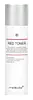
This acne toner is formulated around Camellia Sinensis Leaf Extract and Melaleuca Alternifolia Leaf Oil to clear breakouts and balance excess oil.
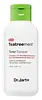
This acne toner is formulated around Niacinamide and Colloidal Sulfur to clear breakouts and calm redness.

What's inside
What's inside
 Key Ingredients
Benefits
Concerns
Ingredients Side-by-side
Anthemis Nobilis Flower Extract
Masking


Camellia Sinensis Leaf Extract
Antimicrobial





Glycyrrhiza Glabra Rhizome/Root
EmollientHamamelis Virginiana Extract
Antiseborrhoeic



Sodium Citrate
BufferingCinnamomum Zeylanicum Bark Extract
Antimicrobial
Pinus Pinaster Bark Extract
Antioxidant
Melaleuca Alternifolia Leaf Oil
Antioxidant


Ethylhexylglycerin
Skin ConditioningCitric Acid
Buffering
Disodium EDTA
ChelatingHydrogenated Lecithin
Emulsifying
Capryloyl Glycine
CleansingHexylene Glycol
EmulsifyingOctyldodeceth-16
EmulsifyingAllantoin
Skin Conditioning
Sarcosine
Skin Conditioning
Ceramide NP
Skin Conditioning
Camphor
Masking
Carthamus Tinctorius Seed Oil
Masking
1,2-Hexanediol
Skin Conditioning
Silica
Abrasive
Glycine Soja Sterols
Emollient
Linoleic Acid
Cleansing
Phospholipids
Skin Conditioning
4-Terpineol
Masking
Methyl Methacrylate Crosspolymer
Salicylic Acid
Masking


Anthemis Nobilis Flower Extract, Camellia Sinensis Leaf Extract, Glycyrrhiza Glabra Rhizome/Root, Hamamelis Virginiana Extract, Sodium Citrate, Cinnamomum Zeylanicum Bark Extract, Pinus Pinaster Bark Extract, Melaleuca Alternifolia Leaf Oil, Ethylhexylglycerin, Citric Acid, Disodium EDTA, Hydrogenated Lecithin, Capryloyl Glycine, Hexylene Glycol, Octyldodeceth-16, Allantoin, Sarcosine, Ceramide NP, Camphor, Carthamus Tinctorius Seed Oil, 1,2-Hexanediol, Silica, Glycine Soja Sterols, Linoleic Acid, Phospholipids, 4-Terpineol, Methyl Methacrylate Crosspolymer, Salicylic Acid
Water
Skin ConditioningMethyl Gluceth-20
Humectant
Alcohol
Antimicrobial
Niacinamide
Smoothing
Butylene Glycol
Humectant
Beta-Glucan
Skin Conditioning
Glycerin
Humectant
Betaine
Humectant
Acrylates/C10-30 Alkyl Acrylate Crosspolymer
Emulsion StabilisingTriethanolamine
BufferingAllantoin
Skin Conditioning
Colloidal Sulfur
Antimicrobial
Chlorphenesin
Antimicrobial
Zanthoxylum Piperitum Fruit Extract
Skin ConditioningPulsatilla Koreana Extract
Skin ConditioningUsnea Barbata Extract
Adenosine
Skin Conditioning
Salvia Sclarea Extract
AntiseborrhoeicHyacinthus Orientalis Extract
Skin ConditioningPropanediol
Solvent
EDTA
ChelatingZingiber Officinale Root Extract
Masking
Camellia Japonica Leaf Extract
Skin ConditioningSalicylic Acid
Masking
Phellodendron Amurense Bark Extract
Skin ConditioningCitrus Paradisi Seed Extract
Masking
Magnolia Officinalis Bark Extract
Antimicrobial
Sophora Angustifolia Root Extract
Skin ConditioningCitrus Paradisi Fruit Extract
Skin Conditioning1,2-Hexanediol
Skin Conditioning
Salix Alba Bark Extract
Astringent
Benzyl Alcohol
Perfuming
Lavandula Angustifolia Water
Masking
Borago Officinalis Extract
Emollient
Chamomilla Recutita Flower/Leaf Extract
AntimicrobialCentaurea Cyanus Flower Extract
Astringent
Ovalicin
AntimicrobialEthylhexylglycerin
Skin ConditioningMelaleuca Alternifolia Leaf Oil
Antioxidant
Water, Methyl Gluceth-20, Alcohol, Niacinamide, Butylene Glycol, Beta-Glucan, Glycerin, Betaine, Acrylates/C10-30 Alkyl Acrylate Crosspolymer, Triethanolamine, Allantoin, Colloidal Sulfur, Chlorphenesin, Zanthoxylum Piperitum Fruit Extract, Pulsatilla Koreana Extract, Usnea Barbata Extract, Adenosine, Salvia Sclarea Extract, Hyacinthus Orientalis Extract, Propanediol, EDTA, Zingiber Officinale Root Extract, Camellia Japonica Leaf Extract, Salicylic Acid, Phellodendron Amurense Bark Extract, Citrus Paradisi Seed Extract, Magnolia Officinalis Bark Extract, Sophora Angustifolia Root Extract, Citrus Paradisi Fruit Extract, 1,2-Hexanediol, Salix Alba Bark Extract, Benzyl Alcohol, Lavandula Angustifolia Water, Borago Officinalis Extract, Chamomilla Recutita Flower/Leaf Extract, Centaurea Cyanus Flower Extract, Ovalicin, Ethylhexylglycerin, Melaleuca Alternifolia Leaf Oil
Alternatives
Ingredients Explained
These ingredients are found in both products.
Ingredients higher up in an ingredient list are typically present in a larger amount.
1,2-Hexanediol is a synthetic liquid and another multi-functional powerhouse.
It is a:
- Humectant, drawing moisture into the skin
- Emollient, helping to soften skin
- Solvent, dispersing and stabilizing formulas
- Preservative booster, enhancing the antimicrobial activity of other preservatives
Allantoin is a soothing ingredient known for its protective and moisturizing properties; it's basically a quiet workhorse ingredient you can find in a huge range of cosmetics.
Though it can be derived from the comfrey plant, allantoin is produced synthetically for cosmetic products to ensure purity.
Research shows it can encourage your skin cells to turn over and renew by stimulating keratinocyte and fibroblast proliferation.
It also has mild keratolytic properties to help loosen and shed dead skin cells without being harsh.
Studies also suggest allantoin can help calm inflammation by dialing down some of the chemical signals your skin sends out when it is irritated.
This ingredient is typically used in the 0.1-0.5% range, and the FDA recognizes it as a skin protectant in OTC products up to 2%.
Overall, allantoin is a wonderful addition to most routines; it is stable across a wide pH range (~4-8), works well with other ingredients, and is considered non-sensitizing/non-irritating.
Fun fact: Allantoin is naturally occurring in comfrey root, beets, chamomile, and wheat sprouts. Our bodies even produce it as a byproduct of uric acid metabolism.
Learn more about AllantoinEthylhexylglycerin is created from glycerin. It is a multitasker ingredient that:
The CIR Expert Panel found minimal skin absorption or sensitization of any kind in a safety assessment. Though this ingredient is considered well-tolerated, a small number of cases of allergic dermatitis have been published since 2002. Just be sure to patch test if you are unsure.
Industry-reported use ranges from 8% in rinse-off products and 2% in leave-on formulations.
Learn more about EthylhexylglycerinThis ingredient is also known as tea tree oil. It has antioxidant, anti-inflammatory, and antimicrobial properties.
Tea tree oil is a complex lipophilic (fat-loving) oil that contains around 100 compounds with terpinen-4-ol being the most abundant (~40%).
Terpinen-4-ol is responsible for tea tree oil's broad-spectrum antimicrobial activity and makes it a well-researched option for acne.
Clinical studies support 5% tea tree oil as an effective topical treatment for mild to moderate acne. A study with 124 patients compared 5% tea tree oil gel to 5% benzoyl peroxide and both reduced acne (though tea tree oil worked more slowly).
Besides acne, it is also seen in anti-dandruff shampoos and scalp treatments for it's antimicrobial and anti-seborrheic properties.
Safety-wise, the allergic potential of low concentrations on healthy skin is considered low. However, oxidized (old or improperly stored) tea tree oil is a stronger sensitizer.
Irritation can also occur if using the undiluted oil on skin; it's best to use this ingredient as part of a carefully crafted cosmetic formula. This is because regulations require tea tree oil in cosmetics to be stabilized to prevent degradation.
This ingredient has been deemed safe up to 2% in shampoo, 1% in cleansers, and 0.1% in face cream by the EU's Scientific Committee on Consumer Safety (SCCS).
There is some lab evidence that tea tree oil is antifungal against Malassezia, but it is a supportive option at best and not a replacement for proven antifungal treatments.
Learn more about Melaleuca Alternifolia Leaf OilSalicylic Acid (also known as beta hydroxy acid or BHA) is a well-known ingredient for treating skin that struggles with acne and clogged pores. It exfoliates both the skin's surface and deep within the pores to help clear out buildup, control oil, and reduce inflammation.
Unlike AHAs (alpha hydroxy acids), salicylic acid is oil-soluble. This allows it to penetrate into pores which makes it especially effective for treating blackheads and preventing future breakouts.
Salicylic acid is also known for its soothing properties. It has a similar structure to aspirin and can calm inflamed or irritated skin, making it a good option for acne-prone skin that is also sensitive.
Concentrations of 0.5-2% are recognized by the U.S. FDA as an over-the-counter topical acne product.
It can cause irritation and/or dryness if one's skin already has a compromised moisture barrier, so it's best to focus on repairing that before introducing this ingredient into your routine.
While salicylic acid does not increase sun sensitivity, it’s still important to wear sunscreen daily to protect your skin.
If you are looking for the ingredient called BHA or Butylated Hydroxyanisole, click here.
Learn more about Salicylic Acid

