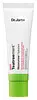
This acne moisturizer is formulated around Niacinamide and Salicylic Acid to clear breakouts and balance excess oil.
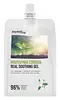
This calming moisturizer is formulated around Houttuynia Cordata Extract and Sodium Hyaluronate to calm redness and hydrate skin.

What's inside
What's inside
 Key Ingredients
Benefits
Concerns
Ingredients Side-by-side
Melaleuca Alternifolia Leaf Extract
Perfuming
Glycerin
Humectant


Ethylhexyl Stearate
Emollient




Methylpropanediol
SolventNiacinamide
Smoothing









Trehalose
Humectant
Methyl Trimethicone
Skin Conditioning
Cetearyl Glucoside
Emulsifying
Sorbitan Olivate
Emulsifying
1,2-Hexanediol
Skin Conditioning
Water
Skin ConditioningCetearyl Alcohol
Emollient

Xanthan Gum
EmulsifyingCentella Asiatica Extract
Cleansing
Ficus Carica Fruit Extract
Humectant
Eclipta Prostrata Leaf Extract
Skin ConditioningLaminaria Japonica Extract
Skin Protecting
Gloiopeltis Furcata Extract
Skin ConditioningAllantoin
Skin Conditioning
Aloe Barbadensis Leaf Extract
Emollient
Anthemis Nobilis Flower Extract
Masking
Butylene Glycol
Humectant
Camellia Sinensis Leaf Extract
Antimicrobial
Carthamus Tinctorius Seed Oil
Masking
Ethylhexylglycerin
Skin ConditioningGlycyrrhiza Glabra Rhizome/Root
EmollientHamamelis Virginiana Extract
Antiseborrhoeic

Melaleuca Alternifolia Leaf Oil
Antioxidant
Amaranthus Caudatus Seed Extract
Skin Conditioning
Ulmus Davidiana Root Extract
Skin Conditioning
Cinnamomum Zeylanicum Bark Extract
Antimicrobial
Pinus Pinaster Bark Extract
Antioxidant
Hydrogenated Lecithin
Emulsifying
Sodium Polyacryloyldimethyl Taurate
Emulsion StabilisingSorbitan Stearate
Emulsifying
Caprylic/Capric Triglyceride
Masking
Glycine Soja Sterols
Emollient
Linoleic Acid
Cleansing
Phospholipids
Skin Conditioning
Disodium EDTA
ChelatingFructooligosaccharides
Humectant
Salicylic Acid
Masking

Beta-Glucan
Skin Conditioning
Hydrolyzed Hyaluronic Acid
Humectant
Capryloyl Glycine
CleansingCeramide NP
Skin Conditioning
Hexylene Glycol
EmulsifyingCamphor
Masking
Silica
Abrasive
Sarcosine
Skin Conditioning
4-Terpineol
Masking
Methyl Methacrylate Crosspolymer
Melaleuca Alternifolia Leaf Extract, Glycerin, Ethylhexyl Stearate, Methylpropanediol, Niacinamide, Trehalose, Methyl Trimethicone, Cetearyl Glucoside, Sorbitan Olivate, 1,2-Hexanediol, Water, Cetearyl Alcohol, Xanthan Gum, Centella Asiatica Extract, Ficus Carica Fruit Extract, Eclipta Prostrata Leaf Extract, Laminaria Japonica Extract, Gloiopeltis Furcata Extract, Allantoin, Aloe Barbadensis Leaf Extract, Anthemis Nobilis Flower Extract, Butylene Glycol, Camellia Sinensis Leaf Extract, Carthamus Tinctorius Seed Oil, Ethylhexylglycerin, Glycyrrhiza Glabra Rhizome/Root, Hamamelis Virginiana Extract, Melaleuca Alternifolia Leaf Oil, Amaranthus Caudatus Seed Extract, Ulmus Davidiana Root Extract, Cinnamomum Zeylanicum Bark Extract, Pinus Pinaster Bark Extract, Hydrogenated Lecithin, Sodium Polyacryloyldimethyl Taurate, Sorbitan Stearate, Caprylic/Capric Triglyceride, Glycine Soja Sterols, Linoleic Acid, Phospholipids, Disodium EDTA, Fructooligosaccharides, Salicylic Acid, Beta-Glucan, Hydrolyzed Hyaluronic Acid, Capryloyl Glycine, Ceramide NP, Hexylene Glycol, Camphor, Silica, Sarcosine, 4-Terpineol, Methyl Methacrylate Crosspolymer
Reviews
Ingredients Explained
These ingredients are found in both products.
Ingredients higher up in an ingredient list are typically present in a larger amount.
1,2-Hexanediol is a synthetic liquid and another multi-functional powerhouse.
It is a:
- Humectant, drawing moisture into the skin
- Emollient, helping to soften skin
- Solvent, dispersing and stabilizing formulas
- Preservative booster, enhancing the antimicrobial activity of other preservatives
Disodium EDTA is a chelating agent. It grabs onto and deactivates metal ions that sneak into your products from water, packaging, or air.
This ingredient mainly works behind the scenes and helps with:
On top of that, this ingredient can counteract the effects of hard water by binding to the minerals in it.
One thing worth knowing is that Disodium EDTA has been shown to be a mild penetration enhancer. It can help other ingredients absorb into skin more effectively which can be a double-edged sword (great for actives, but can also make the active too strong if you have sensitive skin).
Clinical patch testing showed no significant skin irritation at typical use concentrations and minimal dermal absorption.
You'll most likely see this ingredient near the end of an ingredient list. It's typically found in concentrations less than 1%.
Learn more about Disodium EDTAEthylhexylglycerin is created from glycerin. It is a multitasker ingredient that:
The CIR Expert Panel found minimal skin absorption or sensitization of any kind in a safety assessment. Though this ingredient is considered well-tolerated, a small number of cases of allergic dermatitis have been published since 2002. Just be sure to patch test if you are unsure.
Industry-reported use ranges from 8% in rinse-off products and 2% in leave-on formulations.
Learn more about EthylhexylglycerinGlycerin (or glycerol) is a compound naturally found in your skin. It's a powerhouse humectant that pulls water into the stratum corneum.
Topically, glycerin does several things at once:
Your skin makes glycerin on its own (mostly from sebaceous oil breakdown) and shuttles it to your outermost layer of skin, or your epidermis, via aquaporin-3.
Aquaporin-3 is a transporter that is essential for normal skin hydration, elasticity, and repair. Interestingly, mice lacking in AQP3 have dry and less elastic skin that can be fully corrected with glycerin.
This ingredient is non-irritating, plays well with almost every ingredient, and works across all skin types. Typical use is anywhere between 3-10% but can go up to 79% in some leave-on products.
Just know very high concentrations (>40%) can feel tacky in low humidity.
Glycerin is the name for this ingredient in American English. British English uses Glycerol/Glycerine.
Learn more about GlycerinThis ingredient is also known as tea tree oil. It has antioxidant, anti-inflammatory, and antimicrobial properties.
Tea tree oil is a complex lipophilic (fat-loving) oil that contains around 100 compounds with terpinen-4-ol being the most abundant (~40%).
Terpinen-4-ol is responsible for tea tree oil's broad-spectrum antimicrobial activity and makes it a well-researched option for acne.
Clinical studies support 5% tea tree oil as an effective topical treatment for mild to moderate acne. A study with 124 patients compared 5% tea tree oil gel to 5% benzoyl peroxide and both reduced acne (though tea tree oil worked more slowly).
Besides acne, it is also seen in anti-dandruff shampoos and scalp treatments for it's antimicrobial and anti-seborrheic properties.
Safety-wise, the allergic potential of low concentrations on healthy skin is considered low. However, oxidized (old or improperly stored) tea tree oil is a stronger sensitizer.
Irritation can also occur if using the undiluted oil on skin; it's best to use this ingredient as part of a carefully crafted cosmetic formula. This is because regulations require tea tree oil in cosmetics to be stabilized to prevent degradation.
This ingredient has been deemed safe up to 2% in shampoo, 1% in cleansers, and 0.1% in face cream by the EU's Scientific Committee on Consumer Safety (SCCS).
There is some lab evidence that tea tree oil is antifungal against Malassezia, but it is a supportive option at best and not a replacement for proven antifungal treatments.
Learn more about Melaleuca Alternifolia Leaf OilMethylpropanediol is a synthetic solvent and humectant.
As a solvent, it helps dissolve other ingredients, helping to evenly distribute ingredients throughout the product. This ingredient has also been shown to have antimicrobial properties which makes it a preservative booster.
Methylpropanediol is able to add a bit of moisture to the skin. It also helps other ingredients be better absorbed into the skin, such as salicylic acid.
Learn more about MethylpropanediolWater. It's the most common cosmetic ingredient of all. You'll usually see it at the top of ingredient lists, meaning that it makes up the largest part of the product.
So why is it so popular? Water most often acts as a solvent - this means that it helps dissolve other ingredients into the formulation.
You'll also recognize water as that liquid we all need to stay alive. If you see this, drink a glass of water. Remember to stay hydrated!
Learn more about Water

