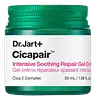
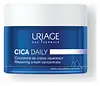
Dr. Jart+ Cicapair Intensive Soothing Repair Gel Cream Versus Uriage Cica Daily Concentrated Repair Cream


What's inside
What's inside
 Key Ingredients
Benefits
Concerns
No concerns
Ingredients Side-by-side
Water
Skin ConditioningDipropylene Glycol
HumectantGlycerin
Humectant


Butylene Glycol
Humectant
Caprylyl Methicone
Skin Conditioning
Pentylene Glycol
Skin Conditioning
Niacinamide
Smoothing









1,2-Hexanediol
Skin Conditioning
Cetearyl Olivate

Theobroma Cacao Extract
Skin ConditioningCentella Asiatica Leaf Extract
Skin Conditioning
Hydrogenated Polydecene
EmollientGlyceryl Caprylate
EmollientAllantoin
Skin Conditioning
Asiaticoside
Antioxidant
Madecassic Acid
Skin Conditioning
Asiatic Acid
Skin Conditioning
Adenosine
Skin Conditioning
Polyglyceryl-4 Oleate
Emulsifying
Sodium Stearoyl Glutamate
CleansingPalmitoyl Tripeptide-8
Skin Conditioning
Sorbitan Olivate
Emulsifying
C14-22 Alcohols
Emulsion Stabilising
Tromethamine
BufferingAmmonium Acryloyldimethyltaurate/Vp Copolymer
Acrylates/C10-30 Alkyl Acrylate Crosspolymer
Emulsion StabilisingCarbomer
Emulsion StabilisingBoron Nitride
Absorbent
Propanediol
Solvent
Isopentyldiol
Humectant
Dextrin
AbsorbentC12-20 Alkyl Glucoside
EmulsifyingSodium Surfactin
CleansingDextran
Sodium Phytate
CI 19140
Cosmetic ColorantCI 42090
Cosmetic ColorantWater, Dipropylene Glycol, Glycerin, Butylene Glycol, Caprylyl Methicone, Pentylene Glycol, Niacinamide, 1,2-Hexanediol, Cetearyl Olivate, Theobroma Cacao Extract, Centella Asiatica Leaf Extract, Hydrogenated Polydecene, Glyceryl Caprylate, Allantoin, Asiaticoside, Madecassic Acid, Asiatic Acid, Adenosine, Polyglyceryl-4 Oleate, Sodium Stearoyl Glutamate, Palmitoyl Tripeptide-8, Sorbitan Olivate, C14-22 Alcohols, Tromethamine, Ammonium Acryloyldimethyltaurate/Vp Copolymer, Acrylates/C10-30 Alkyl Acrylate Crosspolymer, Carbomer, Boron Nitride, Propanediol, Isopentyldiol, Dextrin, C12-20 Alkyl Glucoside, Sodium Surfactin, Dextran, Sodium Phytate, CI 19140, CI 42090
1,2-Hexanediol
Skin Conditioning
Acrylates/C10-30 Alkyl Acrylate Crosspolymer
Emulsion StabilisingWater
Skin ConditioningCaprylic/Capric Triglyceride
Masking
Centella Asiatica Leaf Extract
Skin Conditioning
Citric Acid
Buffering

Dicaprylyl Ether
Emollient
Glycerin
Humectant
Glyceryl Behenate
Emollient
Glyceryl Stearate
Emollient
Hydroxyacetophenone
Antioxidant
Inulin
Skin Conditioning
Panthenol
Skin Conditioning
Pentaerythrityl Distearate
Emulsifying
Potassium Cetyl Phosphate
EmulsifyingSafflower Oil/Palm Oil Aminopropanediol Esters
Skin Conditioning
Sodium Hyaluronate
Humectant
Sodium Hydroxide
BufferingSodium Polyacrylate
Absorbent
Squalane
Emollient
Tocopherol
Antioxidant
Tocopheryl Acetate
Antioxidant
Xanthan Gum
EmulsifyingPolyglyceryl-3 Methylglucose Distearate
Emulsifying
1,2-Hexanediol, Acrylates/C10-30 Alkyl Acrylate Crosspolymer, Water, Caprylic/Capric Triglyceride, Centella Asiatica Leaf Extract, Citric Acid, Dicaprylyl Ether, Glycerin, Glyceryl Behenate, Glyceryl Stearate, Hydroxyacetophenone, Inulin, Panthenol, Pentaerythrityl Distearate, Potassium Cetyl Phosphate, Safflower Oil/Palm Oil Aminopropanediol Esters, Sodium Hyaluronate, Sodium Hydroxide, Sodium Polyacrylate, Squalane, Tocopherol, Tocopheryl Acetate, Xanthan Gum, Polyglyceryl-3 Methylglucose Distearate
Reviews
Ingredients Explained
These ingredients are found in both products.
Ingredients higher up in an ingredient list are typically present in a larger amount.
1,2-Hexanediol is a synthetic liquid and another multi-functional powerhouse.
It is a:
- Humectant, drawing moisture into the skin
- Emollient, helping to soften skin
- Solvent, dispersing and stabilizing formulas
- Preservative booster, enhancing the antimicrobial activity of other preservatives
Acrylates/C10-30 Alkyl Acrylate Crosspolymer is a synthetic polymer. It is used to thicken, emulsify, and improve the texture of products.
As an emulsifier, it helps stabilize oil-in-water emulsions to give products an elegant feel when applied.
It can also form a thin protective film on skin. One study found that a formula using this polymer helped slow down how quickly other ingredients (like DEET) were absorbed through skin.
A 2024 study of over 1,300 patients confirmed that sensitization to this ingredient is rare. It is also non-mutagenic and has a clean track record.
Learn more about Acrylates/C10-30 Alkyl Acrylate CrosspolymerCentella Asiatica Leaf Extract comes from the leaves of an herb plant native to Southeast Asia. Centella Asiatica is rich in antioxidants and amino acids. It can help reduce irritation and soothe the skin.
Many active components found in centella asiatica, such as Madecassic Acid and Asiaticoside, encourage the skin to naturally produce hyaluronic acid. This helps keep our skin hydrated. Many of these components also show antioxidant activity and may help reduce the signs of aging.
Research shows centella asiatica can help increase Type I collagen production by increasing fibroblast production. Fibroblast helps form connective tissue.
The combination of all these properties makes centella asiatica leaf extract effective at soothing the skin.
Other components of centella asiatica leaf extract include Vitamin A, vitamin C, several B vitamins, and Asiatic Acid.
Recent studies found madecassoside may help prevent damage from UV rays by preventing UV-induced inflammation. Further research is needed.
This plant has been used as a medicine and in food for many centuries. As a medicine, it is used to treat burns, scratches, and wounds.
Learn more about Centella Asiatica Leaf ExtractGlycerin (or glycerol) is a compound naturally found in your skin. It's a powerhouse humectant that pulls water into the stratum corneum.
Topically, glycerin does several things at once:
Your skin makes glycerin on its own (mostly from sebaceous oil breakdown) and shuttles it to your outermost layer of skin, or your epidermis, via aquaporin-3.
Aquaporin-3 is a transporter that is essential for normal skin hydration, elasticity, and repair. Interestingly, mice lacking in AQP3 have dry and less elastic skin that can be fully corrected with glycerin.
This ingredient is non-irritating, plays well with almost every ingredient, and works across all skin types. Typical use is anywhere between 3-10% but can go up to 79% in some leave-on products.
Just know very high concentrations (>40%) can feel tacky in low humidity.
Glycerin is the name for this ingredient in American English. British English uses Glycerol/Glycerine.
Learn more about GlycerinWater. It's the most common cosmetic ingredient of all. You'll usually see it at the top of ingredient lists, meaning that it makes up the largest part of the product.
So why is it so popular? Water most often acts as a solvent - this means that it helps dissolve other ingredients into the formulation.
You'll also recognize water as that liquid we all need to stay alive. If you see this, drink a glass of water. Remember to stay hydrated!
Learn more about Water

