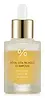
This calming ampoule is formulated around Propolis Extract and Niacinamide to calm redness and brighten dull-looking skin.
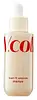
This anti-aging ampoule is formulated around Collagen Extract and Niacinamide to soften the look of wrinkles and hydrate skin.

What's inside
What's inside
 Key Ingredients
Benefits
Concerns
Ingredients Side-by-side
Propolis Extract
Skin Conditioning




Portulaca Oleracea Extract
Skin Conditioning
Butylene Glycol
Humectant
Hippophae Rhamnoides Fruit Extract
Skin Conditioning
Panthenol
Skin Conditioning
Rosa Centifolia Flower Water
Skin ConditioningNiacinamide
Smoothing






1,2-Hexanediol
Skin Conditioning
3-O-Ethyl Ascorbic Acid
Skin Conditioning
Hamamelis Virginiana Extract
Antiseborrhoeic



Centella Asiatica Extract
Cleansing
Royal Jelly Extract
Skin Conditioning
Spirodela Polyrhiza Extract
Skin ConditioningSodium Hyaluronate
Humectant
Carbomer
Emulsion StabilisingArginine
Masking
Water
Skin ConditioningDipotassium Glycyrrhizate
Humectant
Hydroxyethylcellulose
Emulsion StabilisingAdenosine
Skin Conditioning
Propolis Extract, Portulaca Oleracea Extract, Butylene Glycol, Hippophae Rhamnoides Fruit Extract, Panthenol, Rosa Centifolia Flower Water, Niacinamide, 1,2-Hexanediol, 3-O-Ethyl Ascorbic Acid, Hamamelis Virginiana Extract, Centella Asiatica Extract, Royal Jelly Extract, Spirodela Polyrhiza Extract, Sodium Hyaluronate, Carbomer, Arginine, Water, Dipotassium Glycyrrhizate, Hydroxyethylcellulose, Adenosine
Collagen Extract 53.9%
Skin Conditioning
Water
Skin ConditioningGlycerin
Humectant
Propanediol
Solvent
Polyglycerin-3
Humectant
Glycereth-26
Humectant
Niacinamide
Smoothing
Helianthus Annuus Seed Oil
Emollient

1,2-Hexanediol
Skin Conditioning
Betaine
Humectant
Ethylhexyl Stearate
Emollient

Trilaureth-4 Phosphate
EmulsifyingTremella Fuciformis Extract
Humectant
Lupinus Albus Seed Extract
Skin ConditioningLeuconostoc/Radish Root Ferment Filtrate
Antimicrobial
Rosa Damascena Flower Oil
Masking


Rosa Damascena Flower Water
Masking
Collagen
Moisturising
Butylene Glycol
Humectant
Tocopherol
Antioxidant

Lecithin
Emollient
Pentylene Glycol
Skin Conditioning
Sorbitan Oleate
Emulsifying
Caprylic/Capric Triglyceride
Masking
Polyglyceryl-3 Distearate
Emulsifying
Ammonium Acryloyldimethyltaurate/Vp Copolymer
Acrylates/C10-30 Alkyl Acrylate Crosspolymer
Emulsion StabilisingCaramel
Cosmetic ColorantCarbomer
Emulsion StabilisingTromethamine
BufferingGlyceryl Stearate Citrate
Emollient
Ethylhexylglycerin
Skin ConditioningXanthan Gum
EmulsifyingGlyceryl Acrylate/Acrylic Acid Copolymer
HumectantDisodium EDTA
ChelatingSodium Hydroxide
BufferingPelargonium Graveolens Flower Oil
Masking
Adenosine
Skin Conditioning
Citronellol
Perfuming
Geraniol
Perfuming
Linalool
Perfuming
Collagen Extract 53.9%, Water, Glycerin, Propanediol, Polyglycerin-3, Glycereth-26, Niacinamide, Helianthus Annuus Seed Oil, 1,2-Hexanediol, Betaine, Ethylhexyl Stearate, Trilaureth-4 Phosphate, Tremella Fuciformis Extract, Lupinus Albus Seed Extract, Leuconostoc/Radish Root Ferment Filtrate, Rosa Damascena Flower Oil, Rosa Damascena Flower Water, Collagen, Butylene Glycol, Tocopherol, Lecithin, Pentylene Glycol, Sorbitan Oleate, Caprylic/Capric Triglyceride, Polyglyceryl-3 Distearate, Ammonium Acryloyldimethyltaurate/Vp Copolymer, Acrylates/C10-30 Alkyl Acrylate Crosspolymer, Caramel, Carbomer, Tromethamine, Glyceryl Stearate Citrate, Ethylhexylglycerin, Xanthan Gum, Glyceryl Acrylate/Acrylic Acid Copolymer, Disodium EDTA, Sodium Hydroxide, Pelargonium Graveolens Flower Oil, Adenosine, Citronellol, Geraniol, Linalool
Reviews
Ingredients Explained
These ingredients are found in both products.
Ingredients higher up in an ingredient list are typically present in a larger amount.
1,2-Hexanediol is a synthetic liquid and another multi-functional powerhouse.
It is a:
- Humectant, drawing moisture into the skin
- Emollient, helping to soften skin
- Solvent, dispersing and stabilizing formulas
- Preservative booster, enhancing the antimicrobial activity of other preservatives
Adenosine is a purine nucleoside that your body already makes in every cell. In skincare, it acts mainly as a skin conditioning and anti-aging agent.
The way it works is fairly well mapped out:
Your skin has cells called fibroblasts that build collagen (the stuff that keeps skin firm and smooth). Adenosine basically flips a switch on these cells that tells them to get to work making more collagen and other proteins. These cells slow down on their own as skin ages, so Adenosine helps give them a little nudge to keep going.
The clinical backing is pretty solid too.
A blind, randomized, placebo-controlled trial of 126 women aged 45-65 tested a 0.1% cream twice daily and found real improvements in crow's feet and frown lines using a precise 3D skin-mapping technique; these changes showed up by week 3 and held at 2 months.
A later study using Adenosine-loaded dissolving microneedle patches reported gains in wrinkle depth, dermal density, elasticity, and hydration.
On concentrations, South Korea's Ministry of Food and Drug Safety has set 0.04% as the approved functional anti-wrinkle level. You'll typically see this ingredient used somewhere in the 0.04-0.1% range since it works at low doses.
This ingredient has been found safe for cosmetics with the data showing no irritation or sensitization.
Overall, this is a great ingredient for any anti-aging routine and has no photosensitizing effect, so it suits both AM and PM use.
Learn more about AdenosineButylene Glycol (or BG) is used within cosmetic products for a few different reasons:
Overall, Butylene Glycol is a safe and well-rounded ingredient that works well with other ingredients.
Though this ingredient works well with most skin types, some people with sensitive skin may experience a reaction such as allergic rashes, closed comedones, or itchiness.
Learn more about Butylene GlycolCarbomer is a synthetic thickening and gelling agent. It's basically the ingredient that gives a lot of serums, gels, creams, and sunscreens their smooth, non-sticky texture.
Although legally permitted at very high levels, carbomers are normally used at concentrations below 1%.
It also needs to be neutralized to actually thicken, and because it is a large molecule, it doesn't really penetrate the skin barrier.
Allergy-wise, the risk is very low. Clinical studies show carbomers have low potential for skin irritation/sensitization even at concentrations up to 100%.
A 2024 UK study patch-tested 1,302 patients and found true allergy to the parent group of carbomer to be rare with no confirmed relevant reactions.
Learn more about CarbomerNiacinamide is a multitasking form of vitamin B3 that strengthens the skin barrier, reduces pores and dark spots, regulates oil, and improves signs of aging.
And the best part? It's gentle and well-tolerated by most skin types, including sensitive and reactive skin.
You might have heard of "niacin flush", or the reddening of skin that causes itchiness. Niacinamide has not been found to cause this.
In very rare cases, some individuals may not be able to tolerate niacinamide at all or experience an allergic reaction to it.
If you are experiencing flaking, irritation, and dryness with this ingredient, be sure to double check all your products as this ingredient can be found in all categories of skincare.
When incorporating niacinamide into your routine, look out for concentration amounts. Typically, 5% niacinamide provides benefits such as fading dark spots. However, if you have sensitive skin, it is better to begin with a smaller concentration.
When you apply niacinamide to your skin, your body converts it into nicotinamide adenine dinucleotide (NAD). NAD is an essential coenzyme that is already found in your cells as "fuel" and powers countless biological processes.
In your skin, NAD helps repair cell damage, produce new healthy cells, support collagen production, strengthen the skin barrier, and fight environmental stressors (like UV and pollution).
Our natural NAD levels start to decline with age, leading to slower skin repair, visible aging, and a weaker skin barrier. By providing your skin niacinamide, you're recharging your skin's NAD levels. This leads to stronger, healthier, and younger looking skin.
Another name for vitamin B3 is nicotinamide. This vitamin is water-soluble and our bodies don't store it. We obtain Vitamin B3 from either food or skincare. Meat, fish, wheat, yeast, and leafy greens contain vitamin B3.
The type of niacinamide used in skincare is synthetically created.
Learn more about NiacinamideWater. It's the most common cosmetic ingredient of all. You'll usually see it at the top of ingredient lists, meaning that it makes up the largest part of the product.
So why is it so popular? Water most often acts as a solvent - this means that it helps dissolve other ingredients into the formulation.
You'll also recognize water as that liquid we all need to stay alive. If you see this, drink a glass of water. Remember to stay hydrated!
Learn more about Water

