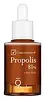
This calming ampoule is formulated around Propolis Extract and Niacinamide to calm redness and clear breakouts.
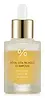
This calming ampoule is formulated around Propolis Extract and Niacinamide to calm redness and brighten dull-looking skin.

What's inside
What's inside
 Key Ingredients
Benefits
Concerns
No concerns
Ingredients Side-by-side
Propolis Extract
Skin Conditioning




Glycerin
Humectant

Butylene Glycol
Humectant
Niacinamide
Smoothing






Glycosyl Trehalose
Emulsion StabilisingWater
Skin ConditioningDimethicone
Emollient
Hydrogenated Starch Hydrolysate
HumectantSilica
Abrasive
Polyglyceryl-4 Caprate
Emulsifying1,2-Hexanediol
Skin Conditioning
Caprylyl Glycol
Emollient
Sodium Polyacrylate
Absorbent
Perilla Frutescens Leaf Extract
MaskingPortulaca Oleracea Extract
Skin Conditioning
Houttuynia Cordata Extract
Skin Conditioning
Camellia Sinensis Leaf Extract
Antimicrobial
Allantoin
Skin Conditioning
Pentylene Glycol
Skin Conditioning
Aspalathus Linearis Extract
Skin ConditioningCommiphora Myrrha Resin Extract
Skin ConditioningYucca Schidigera Root Extract
Skin ConditioningPropolis Extract, Glycerin, Butylene Glycol, Niacinamide, Glycosyl Trehalose, Water, Dimethicone, Hydrogenated Starch Hydrolysate, Silica, Polyglyceryl-4 Caprate, 1,2-Hexanediol, Caprylyl Glycol, Sodium Polyacrylate, Perilla Frutescens Leaf Extract, Portulaca Oleracea Extract, Houttuynia Cordata Extract, Camellia Sinensis Leaf Extract, Allantoin, Pentylene Glycol, Aspalathus Linearis Extract, Commiphora Myrrha Resin Extract, Yucca Schidigera Root Extract
Propolis Extract
Skin Conditioning
Portulaca Oleracea Extract
Skin Conditioning
Butylene Glycol
Humectant
Hippophae Rhamnoides Fruit Extract
Skin Conditioning
Panthenol
Skin Conditioning
Rosa Centifolia Flower Water
Skin ConditioningNiacinamide
Smoothing
1,2-Hexanediol
Skin Conditioning
3-O-Ethyl Ascorbic Acid
Skin Conditioning
Hamamelis Virginiana Extract
Antiseborrhoeic



Centella Asiatica Extract
Cleansing
Royal Jelly Extract
Skin Conditioning
Spirodela Polyrhiza Extract
Skin ConditioningSodium Hyaluronate
Humectant
Carbomer
Emulsion StabilisingArginine
Masking
Water
Skin ConditioningDipotassium Glycyrrhizate
Humectant
Hydroxyethylcellulose
Emulsion StabilisingAdenosine
Skin Conditioning
Propolis Extract, Portulaca Oleracea Extract, Butylene Glycol, Hippophae Rhamnoides Fruit Extract, Panthenol, Rosa Centifolia Flower Water, Niacinamide, 1,2-Hexanediol, 3-O-Ethyl Ascorbic Acid, Hamamelis Virginiana Extract, Centella Asiatica Extract, Royal Jelly Extract, Spirodela Polyrhiza Extract, Sodium Hyaluronate, Carbomer, Arginine, Water, Dipotassium Glycyrrhizate, Hydroxyethylcellulose, Adenosine
Reviews
Ingredients Explained
These ingredients are found in both products.
Ingredients higher up in an ingredient list are typically present in a larger amount.
1,2-Hexanediol is a synthetic liquid and another multi-functional powerhouse.
It is a:
- Humectant, drawing moisture into the skin
- Emollient, helping to soften skin
- Solvent, dispersing and stabilizing formulas
- Preservative booster, enhancing the antimicrobial activity of other preservatives
Butylene Glycol (or BG) is used within cosmetic products for a few different reasons:
Overall, Butylene Glycol is a safe and well-rounded ingredient that works well with other ingredients.
Though this ingredient works well with most skin types, some people with sensitive skin may experience a reaction such as allergic rashes, closed comedones, or itchiness.
Learn more about Butylene GlycolNiacinamide is a multitasking form of vitamin B3 that strengthens the skin barrier, reduces pores and dark spots, regulates oil, and improves signs of aging.
And the best part? It's gentle and well-tolerated by most skin types, including sensitive and reactive skin.
You might have heard of "niacin flush", or the reddening of skin that causes itchiness. Niacinamide has not been found to cause this.
In very rare cases, some individuals may not be able to tolerate niacinamide at all or experience an allergic reaction to it.
If you are experiencing flaking, irritation, and dryness with this ingredient, be sure to double check all your products as this ingredient can be found in all categories of skincare.
When incorporating niacinamide into your routine, look out for concentration amounts. Typically, 5% niacinamide provides benefits such as fading dark spots. However, if you have sensitive skin, it is better to begin with a smaller concentration.
When you apply niacinamide to your skin, your body converts it into nicotinamide adenine dinucleotide (NAD). NAD is an essential coenzyme that is already found in your cells as "fuel" and powers countless biological processes.
In your skin, NAD helps repair cell damage, produce new healthy cells, support collagen production, strengthen the skin barrier, and fight environmental stressors (like UV and pollution).
Our natural NAD levels start to decline with age, leading to slower skin repair, visible aging, and a weaker skin barrier. By providing your skin niacinamide, you're recharging your skin's NAD levels. This leads to stronger, healthier, and younger looking skin.
Another name for vitamin B3 is nicotinamide. This vitamin is water-soluble and our bodies don't store it. We obtain Vitamin B3 from either food or skincare. Meat, fish, wheat, yeast, and leafy greens contain vitamin B3.
The type of niacinamide used in skincare is synthetically created.
Learn more about NiacinamideThis extract comes from Purslane, a succulent. It has anti-inflammatory, antioxidant, and hydrating properties.
Purslane is very nutritious. It contains omega-3 fatty acids, NMFs, many vitamins, minerals, and antioxidants. The vitamins found in purslane include: Vitamin C, Vitamin A, and Vitamin E.
Fun fact: Purslane is a succulent with an extensive habitat. It is used in traditional Korean medicine to treat irritated skin.
Nowadays, purslane is becoming a superfood due to its highly nutritious content.
Learn more about Portulaca Oleracea ExtractPropolis Extract is a natural ingredient derived from propolis (also known as bee glue). Bees make propolis by mixing their saliva and beeswax with resins collected from tree buds and plants.
This ingredient is packed with bioactive compounds like flavonoids, phenolic acids, and amino acids that give it antioxidant and anti-inflammatory properties.
Research shows it can help:
It also pairs nicely with hydrating ingredients like niacinamide and ceramides.
Just so you know, Propolis Extract is recognized as a contact allergen. In patch tests done in the EU, roughly 1-6% of patients react to it. Be sure to steer clear of this ingredient if you have a known allergy to bee products.
Since it is an animal-derived product, this ingredient is not considered vegan. For vegan alternatives, check out Galactomyces Ferment Filtrate or Centella Asiatica Extract.
Learn more about Propolis ExtractWater. It's the most common cosmetic ingredient of all. You'll usually see it at the top of ingredient lists, meaning that it makes up the largest part of the product.
So why is it so popular? Water most often acts as a solvent - this means that it helps dissolve other ingredients into the formulation.
You'll also recognize water as that liquid we all need to stay alive. If you see this, drink a glass of water. Remember to stay hydrated!
Learn more about Water

