
What's inside
What's inside
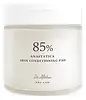 Key Ingredients
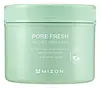
Benefits
Concerns
Ingredients Side-by-side
Water
Skin ConditioningButylene Glycol
Humectant

1,2-Hexanediol
Skin Conditioning
Glycerin
Humectant
Polyglyceryl-10 Laurate
Skin Conditioning
Polyglyceryl-10 Myristate
Skin Conditioning
Ethylhexylglycerin
Skin ConditioningAnastatica Hierochuntica Extract
AstringentDipotassium Glycyrrhizate
Humectant

Ammonium Acryloyldimethyltaurate/Vp Copolymer
Disodium EDTA
Allantoin
Skin Conditioning
Citric Acid
Buffering


Cynanchum Atratum Extract
Skin ConditioningSodium Citrate
BufferingCitrus Tangerina Peel Oil
Masking

Malt Extract
Skin ProtectingArtemisia Vulgaris Oil
Perfuming
Rosmarinus Officinalis Leaf Oil
Masking
Chamomilla Recutita Flower Oil
Masking
Juniperus Mexicana Oil
Masking
Lavandula Angustifolia Oil
Masking
Sodium Hyaluronate
Humectant

Hydroxypropyltrimonium Hyaluronate
Adansonia Digitata Seed Extract
Skin ConditioningAnthemis Nobilis Flower Extract
Masking
Portulaca Oleracea Extract
Skin Conditioning
Hydrolyzed Hyaluronic Acid
Humectant
Sodium Acetylated Hyaluronate
Humectant
Hyaluronic Acid
Humectant
Hydrolyzed Sodium Hyaluronate
Skin Conditioning
Opuntia Ficus-Indica Stem Extract
Skin Conditioning
Sodium Hyaluronate Crosspolymer
Humectant
Potassium Hyaluronate
Skin ConditioningLimonene
Perfuming
Water, Butylene Glycol, 1,2-Hexanediol, Glycerin, Polyglyceryl-10 Laurate, Polyglyceryl-10 Myristate, Ethylhexylglycerin, Anastatica Hierochuntica Extract, Dipotassium Glycyrrhizate, Ammonium Acryloyldimethyltaurate/Vp Copolymer, Disodium EDTA, Allantoin, Citric Acid, Cynanchum Atratum Extract, Sodium Citrate, Citrus Tangerina Peel Oil, Malt Extract, Artemisia Vulgaris Oil, Rosmarinus Officinalis Leaf Oil, Chamomilla Recutita Flower Oil, Juniperus Mexicana Oil, Lavandula Angustifolia Oil, Sodium Hyaluronate, Hydroxypropyltrimonium Hyaluronate, Adansonia Digitata Seed Extract, Anthemis Nobilis Flower Extract, Portulaca Oleracea Extract, Hydrolyzed Hyaluronic Acid, Sodium Acetylated Hyaluronate, Hyaluronic Acid, Hydrolyzed Sodium Hyaluronate, Opuntia Ficus-Indica Stem Extract, Sodium Hyaluronate Crosspolymer, Potassium Hyaluronate, Limonene
Water
Skin ConditioningDipropylene Glycol
HumectantPropanediol
Solvent
1,2-Hexanediol
Skin Conditioning
Octyldodeceth-16
EmulsifyingPanthenol
Skin Conditioning
Arginine
Masking
Betaine
Humectant
Citric Acid
Buffering
Allantoin
Skin Conditioning
Ethylhexylglycerin
Skin ConditioningMelaleuca Alternifolia Leaf Oil
Antioxidant


Melia Azadirachta Leaf Extract
Skin ConditioningDisodium EDTA
Melia Azadirachta Flower Extract
Skin ConditioningDipotassium Glycyrrhizate
Humectant
Gluconolactone
Skin Conditioning


Lavandula Angustifolia Flower Extract
Cleansing
Butylene Glycol
Humectant
Hamamelis Virginiana Leaf Extract
Skin Conditioning
Camellia Sinensis Leaf Extract
Antimicrobial
Houttuynia Cordata Extract
Skin Conditioning
Coccinia Indica Fruit Extract
Skin ConditioningCurcuma Longa Root Extract
Masking
Solanum Melongena Fruit Extract
Skin ConditioningLimonene
Perfuming
Ocimum Sanctum Leaf Extract
Skin ConditioningSalix Alba Bark Extract
Astringent
Corallina Officinalis Extract
Skin Conditioning
Tocopherol
Antioxidant
Water, Dipropylene Glycol, Propanediol, 1,2-Hexanediol, Octyldodeceth-16, Panthenol, Arginine, Betaine, Citric Acid, Allantoin, Ethylhexylglycerin, Melaleuca Alternifolia Leaf Oil, Melia Azadirachta Leaf Extract, Disodium EDTA, Melia Azadirachta Flower Extract, Dipotassium Glycyrrhizate, Gluconolactone, Lavandula Angustifolia Flower Extract, Butylene Glycol, Hamamelis Virginiana Leaf Extract, Camellia Sinensis Leaf Extract, Houttuynia Cordata Extract, Coccinia Indica Fruit Extract, Curcuma Longa Root Extract, Solanum Melongena Fruit Extract, Limonene, Ocimum Sanctum Leaf Extract, Salix Alba Bark Extract, Corallina Officinalis Extract, Tocopherol
Ingredients Explained
These ingredients are found in both products.
Ingredients higher up in an ingredient list are typically present in a larger amount.
1,2-Hexanediol is a synthetic liquid and another multi-functional powerhouse.
It is a:
- Humectant, drawing moisture into the skin
- Emollient, helping to soften skin
- Solvent, dispersing and stabilizing formulas
- Preservative booster, enhancing the antimicrobial activity of other preservatives
Allantoin is a soothing ingredient known for its protective and moisturizing properties; it's basically a quiet workhorse ingredient you can find in a huge range of cosmetics.
Though it can be derived from the comfrey plant, allantoin is produced synthetically for cosmetic products to ensure purity.
Research shows it can encourage your skin cells to turn over and renew by stimulating keratinocyte and fibroblast proliferation.
It also has mild keratolytic properties to help loosen and shed dead skin cells without being harsh.
Studies also suggest allantoin can help calm inflammation by dialing down some of the chemical signals your skin sends out when it is irritated.
This ingredient is typically used in the 0.1-0.5% range, and the FDA recognizes it as a skin protectant in OTC products up to 2%.
Overall, allantoin is a wonderful addition to most routines; it is stable across a wide pH range (~4-8), works well with other ingredients, and is considered non-sensitizing/non-irritating.
Fun fact: Allantoin is naturally occurring in comfrey root, beets, chamomile, and wheat sprouts. Our bodies even produce it as a byproduct of uric acid metabolism.
Learn more about AllantoinButylene Glycol (or BG) is used within cosmetic products for a few different reasons:
Overall, Butylene Glycol is a safe and well-rounded ingredient that works well with other ingredients.
Though this ingredient works well with most skin types, some people with sensitive skin may experience a reaction such as allergic rashes, closed comedones, or itchiness.
Learn more about Butylene GlycolCitric Acid is an alpha hydroxy acid (AHA) naturally found in citrus fruits like oranges, lemons, and limes.
Like other AHAs, citric acid can exfoliate skin by breaking down the bonds that hold dead skin cells together. This helps reveal smoother and brighter skin underneath.
However, this exfoliating effect only happens at high concentrations (20%) which can be hard to find in cosmetic products.
Due to this, citric acid is usually included in small amounts as a pH adjuster. This helps keep products slightly more acidic and compatible with skin's natural pH.
In skincare formulas, citric acid can:
While it can provide some skin benefits, research shows lactic acid and glycolic acid are generally more effective and less irritating exfoliants.
Most citric acid used in skincare today is made by fermenting sugars (usually from molasses). This synthetic version is identical to the natural citrus form but easier to stabilize and use in formulations.
Read more about some other popular AHA's here:
Learn more about Citric AcidDipotassium Glycyrrhizate comes from licorice root.
Extracts of licorice have demonstrated to have antibacterial, anti‐inflammatory, antiviral, antioxidant properties.
One component, glabridin, has extra potent antioxidant and soothing properties. It has also been found to block pigmentation from UVB rays in guinea pigs.
Licorice Root also contains a flavonoid. Flavonoids are a natural substance from in plants. Flavonoids also have antioxidant properties.
Another component, glycyrrhizin, has been found to have anti-inflammatory and antimicrobial benefits. This may make licorice root extract effective at treating acne. However, more research is needed to support this.
Liquiritin is one of the flavone compounds found in licorice. It has been found to help lighten skin by preventing tyrosinase from reacting with tyrosine. When the two react, protein is converted to melanin. Melanin is the substance in your body that gives your features pigmentation.
Licorice root is native to Southern Europe and Asia. It has been used in traditional Chinese medicine to help with respiratory issues.
Learn more about Dipotassium GlycyrrhizateDisodium EDTA is a chelating agent. It grabs onto and deactivates metal ions that sneak into your products from water, packaging, or air.
This ingredient mainly works behind the scenes and helps with:
On top of that, this ingredient can counteract the effects of hard water by binding to the minerals in it.
One thing worth knowing is that Disodium EDTA has been shown to be a mild penetration enhancer. It can help other ingredients absorb into skin more effectively which can be a double-edged sword (great for actives, but can also make the active too strong if you have sensitive skin).
Clinical patch testing showed no significant skin irritation at typical use concentrations and minimal dermal absorption.
You'll most likely see this ingredient near the end of an ingredient list. It's typically found in concentrations less than 1%.
Learn more about Disodium EDTAEthylhexylglycerin is created from glycerin. It is a multitasker ingredient that:
The CIR Expert Panel found minimal skin absorption or sensitization of any kind in a safety assessment. Though this ingredient is considered well-tolerated, a small number of cases of allergic dermatitis have been published since 2002. Just be sure to patch test if you are unsure.
Industry-reported use ranges from 8% in rinse-off products and 2% in leave-on formulations.
Learn more about EthylhexylglycerinLimonene is a fragrance that adds scent and taste to a formulation.
It's found in the peel oil of citrus fruits and other plants such as lavender and eucalyptus. The scent of limonene is generally described as "sweet citrus".
Limonene acts as an antioxidant, meaning it helps neutralize free radicals.
When exposed to air, oxidized limonene may sensitize the skin. Because of this, limonene is often avoided by people with sensitive skin.
The term 'fragrance' is not regulated in many countries. In many cases, it is up to the brand to define this term. For instance, many brands choose to label themselves as "fragrance-free" because they are not using synthetic fragrances. However, their products may still contain ingredients such as essential oils that are considered a fragrance.
Learn more about LimoneneWater. It's the most common cosmetic ingredient of all. You'll usually see it at the top of ingredient lists, meaning that it makes up the largest part of the product.
So why is it so popular? Water most often acts as a solvent - this means that it helps dissolve other ingredients into the formulation.
You'll also recognize water as that liquid we all need to stay alive. If you see this, drink a glass of water. Remember to stay hydrated!
Learn more about Water
