

What's inside
What's inside
 Key Ingredients
Benefits
Concerns
Ingredients Side-by-side
Water
Skin ConditioningDipropylene Glycol
HumectantPropanediol
Solvent

1,2-Hexanediol
Skin Conditioning
Octyldodeceth-16
EmulsifyingPanthenol
Skin Conditioning


Arginine
Masking
Betaine
Humectant
Citric Acid
Buffering


Allantoin
Skin Conditioning
Ethylhexylglycerin
Skin ConditioningMelaleuca Alternifolia Leaf Oil
Antioxidant






Melia Azadirachta Leaf Extract
Skin ConditioningDisodium EDTA
Melia Azadirachta Flower Extract
Skin ConditioningDipotassium Glycyrrhizate
Humectant
Gluconolactone
Skin Conditioning



Lavandula Angustifolia Flower Extract
Cleansing

Butylene Glycol
Humectant
Hamamelis Virginiana Leaf Extract
Skin Conditioning
Camellia Sinensis Leaf Extract
Antimicrobial
Houttuynia Cordata Extract
Skin Conditioning
Coccinia Indica Fruit Extract
Skin ConditioningCurcuma Longa Root Extract
Masking
Solanum Melongena Fruit Extract
Skin ConditioningLimonene
Perfuming
Ocimum Sanctum Leaf Extract
Skin ConditioningSalix Alba Bark Extract
Astringent
Corallina Officinalis Extract
Skin Conditioning
Tocopherol
Antioxidant
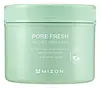
Water, Dipropylene Glycol, Propanediol, 1,2-Hexanediol, Octyldodeceth-16, Panthenol, Arginine, Betaine, Citric Acid, Allantoin, Ethylhexylglycerin, Melaleuca Alternifolia Leaf Oil, Melia Azadirachta Leaf Extract, Disodium EDTA, Melia Azadirachta Flower Extract, Dipotassium Glycyrrhizate, Gluconolactone, Lavandula Angustifolia Flower Extract, Butylene Glycol, Hamamelis Virginiana Leaf Extract, Camellia Sinensis Leaf Extract, Houttuynia Cordata Extract, Coccinia Indica Fruit Extract, Curcuma Longa Root Extract, Solanum Melongena Fruit Extract, Limonene, Ocimum Sanctum Leaf Extract, Salix Alba Bark Extract, Corallina Officinalis Extract, Tocopherol
Water
Skin ConditioningAlcohol
Antimicrobial
Butylene Glycol
Humectant
Salicylic Acid
Masking

Mandelic Acid
Antimicrobial
Urea
Buffering
Hamamelis Virginiana Extract
Antiseborrhoeic
Rosa Canina Fruit Extract
Astringent
Pterocarpus Soyauxii Wood Extract
AstringentPhellodendron Amurense Bark Extract
Skin ConditioningHordeum Distichon Extract
Skin ProtectingCamellia Sinensis Leaf Extract
Antimicrobial
Artemisia Vulgaris Extract
Skin Conditioning
Plantago Lanceolata Leaf Extract
AntimicrobialCrithmum Maritimum Extract
Skin ConditioningSpiraea Ulmaria Extract
AstringentMenthyl Lactate
Masking
Sodium Hydroxide
BufferingGlycolic Acid
Buffering
Sodium Carbonate
BufferingSodium Chloride
MaskingDisodium EDTA
T-Butyl Alcohol
Perfuming
Denatonium Benzoate
Masking
Phenoxyethanol
Preservative
Parfum
Masking
Citronellol
Perfuming
Hexyl Cinnamal
Perfuming
Limonene
Perfuming
Linalool
Perfuming
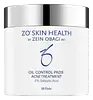
Water, Alcohol, Butylene Glycol, Salicylic Acid, Mandelic Acid, Urea, Hamamelis Virginiana Extract, Rosa Canina Fruit Extract, Pterocarpus Soyauxii Wood Extract, Phellodendron Amurense Bark Extract, Hordeum Distichon Extract, Camellia Sinensis Leaf Extract, Artemisia Vulgaris Extract, Plantago Lanceolata Leaf Extract, Crithmum Maritimum Extract, Spiraea Ulmaria Extract, Menthyl Lactate, Sodium Hydroxide, Glycolic Acid, Sodium Carbonate, Sodium Chloride, Disodium EDTA, T-Butyl Alcohol, Denatonium Benzoate, Phenoxyethanol, Parfum, Citronellol, Hexyl Cinnamal, Limonene, Linalool
Reviews
Ingredients Explained
These ingredients are found in both products.
Ingredients higher up in an ingredient list are typically present in a larger amount.
Butylene Glycol (or BG) is used within cosmetic products for a few different reasons:
Overall, Butylene Glycol is a safe and well-rounded ingredient that works well with other ingredients.
Though this ingredient works well with most skin types, some people with sensitive skin may experience a reaction such as allergic rashes, closed comedones, or itchiness.
Learn more about Butylene GlycolCamellia Sinensis Leaf Extract (tea extract) is one of the most well-researched plant extracts in skincare with an impressive resume.
Black tea, green tea, and oolong tea are all harvested from the Camellia Sinensis plant.
Studies show green tea extract and its catechins (like epigallocatechin gallate (EGCG)) help your skin cells product energy more efficiently and reducing the number of free-radicals that can damage your skin from the inside.
In lab-grown skin models, this translated to younger, healthier, and stronger skin.
There's also good sun protection data; researchers saw less DNA damage and redness on human skin when green tea was applied before UVB exposure. And the more they applied, the better the protection.
Needless to say, this ingredient shouldn't replace your sunscreen. But it is a great supportive ingredient that you can already find in many sunscreens and antioxidant serums.
A 2009 study found a 2% green tea lotion was effective for mild-to-moderate acne thanks to its anti-inflammatory and mild antimicrobial activity.
The quality of the extract matters a lot here:
Good extracts contain 50-90% catechins while lower quality ones are mostly there for marketing. We recommend reaching out to the brand if you have questions about the quality or source of their ingredients.
Human Repeated Insult Patch Testing showed no irritation or sensitization at use concentrations (0.86% in leave-on products and up to 30% as leaf water).
Learn more about Camellia Sinensis Leaf ExtractDisodium EDTA is a chelating agent. It grabs onto and deactivates metal ions that sneak into your products from water, packaging, or air.
This ingredient mainly works behind the scenes and helps with:
On top of that, this ingredient can counteract the effects of hard water by binding to the minerals in it.
One thing worth knowing is that Disodium EDTA has been shown to be a mild penetration enhancer. It can help other ingredients absorb into skin more effectively which can be a double-edged sword (great for actives, but can also make the active too strong if you have sensitive skin).
Clinical patch testing showed no significant skin irritation at typical use concentrations and minimal dermal absorption.
You'll most likely see this ingredient near the end of an ingredient list. It's typically found in concentrations less than 1%.
Learn more about Disodium EDTALimonene is a fragrance that adds scent and taste to a formulation.
It's found in the peel oil of citrus fruits and other plants such as lavender and eucalyptus. The scent of limonene is generally described as "sweet citrus".
Limonene acts as an antioxidant, meaning it helps neutralize free radicals.
When exposed to air, oxidized limonene may sensitize the skin. Because of this, limonene is often avoided by people with sensitive skin.
The term 'fragrance' is not regulated in many countries. In many cases, it is up to the brand to define this term. For instance, many brands choose to label themselves as "fragrance-free" because they are not using synthetic fragrances. However, their products may still contain ingredients such as essential oils that are considered a fragrance.
Learn more about LimoneneWater. It's the most common cosmetic ingredient of all. You'll usually see it at the top of ingredient lists, meaning that it makes up the largest part of the product.
So why is it so popular? Water most often acts as a solvent - this means that it helps dissolve other ingredients into the formulation.
You'll also recognize water as that liquid we all need to stay alive. If you see this, drink a glass of water. Remember to stay hydrated!
Learn more about Water
