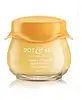
This brightening moisturizer is formulated around 3-O-Ethyl Ascorbic Acid and Niacinamide to brighten dull-looking skin.
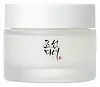
This barrier-repair moisturizer is formulated around Panax Ginseng Root Water and Niacinamide to strengthen the skin barrier.


What's inside
What's inside
 Key Ingredients
Benefits
Concerns
Ingredients Side-by-side
Water
Skin ConditioningDicaprylyl Ether
Emollient
Glycerin
Humectant

Dimethicone
Emollient
Butyrospermum Parkii Butter
Skin Conditioning




Xylitylglucoside
Humectant
Anhydroxylitol
Humectant
Xylitol
Humectant
Polyacrylate Crosspolymer-6
Emulsion StabilisingAcrylates/C10-30 Alkyl Acrylate Crosspolymer
Emulsion StabilisingCetearyl Alcohol
Emollient

3-O-Ethyl Ascorbic Acid
Skin Conditioning




Acacia Senegal Gum
MaskingXanthan Gum
EmulsifyingNiacinamide
Smoothing





Saccharide Isomerate
Humectant
Citric Acid
Buffering
Sodium Citrate
BufferingAllantoin
Skin Conditioning
Panthenol
Skin Conditioning
Tocopheryl Acetate
Antioxidant

Methylsilanol Mannuronate
Skin ConditioningSodium Hydroxide
BufferingDisodium EDTA
ChelatingBetaine
Humectant
Citrus Sinensis Fruit Extract
Antioxidant
Terminalia Ferdinandiana Fruit Extract
Antioxidant
Rosa Rubiginosa Seed Oil
Emollient
Phenoxyethanol
Preservative
Ethylhexylglycerin
Skin ConditioningPentaerythrityl Tetra-Di-T-Butyl Hydroxyhydrocinnamate
Antioxidant
BHT
Antioxidant
Parfum
Masking


CI 15985
Cosmetic ColorantCI 19140
Cosmetic ColorantWater, Dicaprylyl Ether, Glycerin, Dimethicone, Butyrospermum Parkii Butter, Xylitylglucoside, Anhydroxylitol, Xylitol, Polyacrylate Crosspolymer-6, Acrylates/C10-30 Alkyl Acrylate Crosspolymer, Cetearyl Alcohol, 3-O-Ethyl Ascorbic Acid, Acacia Senegal Gum, Xanthan Gum, Niacinamide, Saccharide Isomerate, Citric Acid, Sodium Citrate, Allantoin, Panthenol, Tocopheryl Acetate, Methylsilanol Mannuronate, Sodium Hydroxide, Disodium EDTA, Betaine, Citrus Sinensis Fruit Extract, Terminalia Ferdinandiana Fruit Extract, Rosa Rubiginosa Seed Oil, Phenoxyethanol, Ethylhexylglycerin, Pentaerythrityl Tetra-Di-T-Butyl Hydroxyhydrocinnamate, BHT, Parfum, CI 15985, CI 19140
Water
Skin ConditioningOryza Sativa Bran Water
Masking
Glycerin
Humectant
Panax Ginseng Root Water
Masking
Hydrogenated Polydecene
Emollient1,2-Hexanediol
Skin Conditioning
Niacinamide
Smoothing
Squalane
Emollient
Butylene Glycol
Humectant
Propanediol
Solvent
Propylene Glycol Dicaprylate/Dicaprate
EmollientCetearyl Olivate
Sorbitan Olivate
Emulsifying
Ammonium Acryloyldimethyltaurate/Vp Copolymer
Xanthan Gum
EmulsifyingAcrylates/C10-30 Alkyl Acrylate Crosspolymer
Emulsion StabilisingTromethamine
BufferingCarthamus Tinctorius Seed Oil
Masking
Hydrogenated Coconut Oil
Emollient
Glyceryl Acrylate/Acrylic Acid Copolymer
HumectantEthylhexylglycerin
Skin ConditioningAdenosine
Skin Conditioning
Caprylic/Capric Triglyceride
Masking
Disodium EDTA
ChelatingHyaluronic Acid
Humectant
Hydrolyzed Hyaluronic Acid
Humectant
Sodium Hyaluronate
Humectant
Honey Extract
Humectant
Ceramide NP
Skin Conditioning
Hydrogenated Lecithin
Emulsifying
Coptis Japonica Root Extract
Skin ConditioningRaphanus Sativus Seed Extract
Skin ConditioningLycium Chinense Fruit Extract
Antioxidant
Theobroma Cacao Seed Extract
Antioxidant
Phellinus Linteus Extract
Skin ConditioningDextrin
AbsorbentScutellaria Baicalensis Root Extract
Astringent
Water, Oryza Sativa Bran Water, Glycerin, Panax Ginseng Root Water, Hydrogenated Polydecene, 1,2-Hexanediol, Niacinamide, Squalane, Butylene Glycol, Propanediol, Propylene Glycol Dicaprylate/Dicaprate, Cetearyl Olivate, Sorbitan Olivate, Ammonium Acryloyldimethyltaurate/Vp Copolymer, Xanthan Gum, Acrylates/C10-30 Alkyl Acrylate Crosspolymer, Tromethamine, Carthamus Tinctorius Seed Oil, Hydrogenated Coconut Oil, Glyceryl Acrylate/Acrylic Acid Copolymer, Ethylhexylglycerin, Adenosine, Caprylic/Capric Triglyceride, Disodium EDTA, Hyaluronic Acid, Hydrolyzed Hyaluronic Acid, Sodium Hyaluronate, Honey Extract, Ceramide NP, Hydrogenated Lecithin, Coptis Japonica Root Extract, Raphanus Sativus Seed Extract, Lycium Chinense Fruit Extract, Theobroma Cacao Seed Extract, Phellinus Linteus Extract, Dextrin, Scutellaria Baicalensis Root Extract
Reviews
Ingredients Explained
These ingredients are found in both products.
Ingredients higher up in an ingredient list are typically present in a larger amount.
Acrylates/C10-30 Alkyl Acrylate Crosspolymer is a synthetic polymer. It is used to thicken, emulsify, and improve the texture of products.
As an emulsifier, it helps stabilize oil-in-water emulsions to give products an elegant feel when applied.
It can also form a thin protective film on skin. One study found that a formula using this polymer helped slow down how quickly other ingredients (like DEET) were absorbed through skin.
A 2024 study of over 1,300 patients confirmed that sensitization to this ingredient is rare. It is also non-mutagenic and has a clean track record.
Learn more about Acrylates/C10-30 Alkyl Acrylate CrosspolymerDisodium EDTA is a chelating agent. It grabs onto and deactivates metal ions that sneak into your products from water, packaging, or air.
This ingredient mainly works behind the scenes and helps with:
On top of that, this ingredient can counteract the effects of hard water by binding to the minerals in it.
One thing worth knowing is that Disodium EDTA has been shown to be a mild penetration enhancer. It can help other ingredients absorb into skin more effectively which can be a double-edged sword (great for actives, but can also make the active too strong if you have sensitive skin).
Clinical patch testing showed no significant skin irritation at typical use concentrations and minimal dermal absorption.
You'll most likely see this ingredient near the end of an ingredient list. It's typically found in concentrations less than 1%.
Learn more about Disodium EDTAEthylhexylglycerin is created from glycerin. It is a multitasker ingredient that:
The CIR Expert Panel found minimal skin absorption or sensitization of any kind in a safety assessment. Though this ingredient is considered well-tolerated, a small number of cases of allergic dermatitis have been published since 2002. Just be sure to patch test if you are unsure.
Industry-reported use ranges from 8% in rinse-off products and 2% in leave-on formulations.
Learn more about EthylhexylglycerinGlycerin (or glycerol) is a compound naturally found in your skin. It's a powerhouse humectant that pulls water into the stratum corneum.
Topically, glycerin does several things at once:
Your skin makes glycerin on its own (mostly from sebaceous oil breakdown) and shuttles it to your outermost layer of skin, or your epidermis, via aquaporin-3.
Aquaporin-3 is a transporter that is essential for normal skin hydration, elasticity, and repair. Interestingly, mice lacking in AQP3 have dry and less elastic skin that can be fully corrected with glycerin.
This ingredient is non-irritating, plays well with almost every ingredient, and works across all skin types. Typical use is anywhere between 3-10% but can go up to 79% in some leave-on products.
Just know very high concentrations (>40%) can feel tacky in low humidity.
Glycerin is the name for this ingredient in American English. British English uses Glycerol/Glycerine.
Learn more about GlycerinNiacinamide is a multitasking form of vitamin B3 that strengthens the skin barrier, reduces pores and dark spots, regulates oil, and improves signs of aging.
And the best part? It's gentle and well-tolerated by most skin types, including sensitive and reactive skin.
You might have heard of "niacin flush", or the reddening of skin that causes itchiness. Niacinamide has not been found to cause this.
In very rare cases, some individuals may not be able to tolerate niacinamide at all or experience an allergic reaction to it.
If you are experiencing flaking, irritation, and dryness with this ingredient, be sure to double check all your products as this ingredient can be found in all categories of skincare.
When incorporating niacinamide into your routine, look out for concentration amounts. Typically, 5% niacinamide provides benefits such as fading dark spots. However, if you have sensitive skin, it is better to begin with a smaller concentration.
When you apply niacinamide to your skin, your body converts it into nicotinamide adenine dinucleotide (NAD). NAD is an essential coenzyme that is already found in your cells as "fuel" and powers countless biological processes.
In your skin, NAD helps repair cell damage, produce new healthy cells, support collagen production, strengthen the skin barrier, and fight environmental stressors (like UV and pollution).
Our natural NAD levels start to decline with age, leading to slower skin repair, visible aging, and a weaker skin barrier. By providing your skin niacinamide, you're recharging your skin's NAD levels. This leads to stronger, healthier, and younger looking skin.
Another name for vitamin B3 is nicotinamide. This vitamin is water-soluble and our bodies don't store it. We obtain Vitamin B3 from either food or skincare. Meat, fish, wheat, yeast, and leafy greens contain vitamin B3.
The type of niacinamide used in skincare is synthetically created.
Learn more about NiacinamideWater. It's the most common cosmetic ingredient of all. You'll usually see it at the top of ingredient lists, meaning that it makes up the largest part of the product.
So why is it so popular? Water most often acts as a solvent - this means that it helps dissolve other ingredients into the formulation.
You'll also recognize water as that liquid we all need to stay alive. If you see this, drink a glass of water. Remember to stay hydrated!
Learn more about WaterXanthan gum is used as a stabilizer and thickener within cosmetic products. It helps give products a sticky, thick feeling - preventing them from being too runny.
On the technical side of things, xanthan gum is a polysaccharide - a combination consisting of multiple sugar molecules bonded together.
Xanthan gum is a pretty common and great ingredient. It is a natural, non-toxic, non-irritating ingredient that is also commonly used in food products.
Learn more about Xanthan Gum

