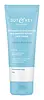
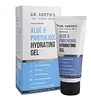
Dot & Key Skincare Ceramides & Hyaluronic Skin Barrier Repair Face Cream Versus Dr. Sheth's Aloe & Panthenol Hydrating Gel
This barrier-repair moisturizer is formulated around Hyaluronic Acid and Ceramide EOP to strengthen the skin barrier and hydrate skin.

What's inside
What's inside
 Key Ingredients
Benefits
Concerns
No concerns
Ingredients Side-by-side
Water
Skin ConditioningCaprylic/Capric Triglyceride
Masking


Glycerin
Humectant
Glyceryl Stearate
Emollient

PEG-100 Stearate
Surfactant
Cetyl Alcohol
Emollient
Cetearyl Olivate
Sorbitan Olivate
Emulsifying
Dimethicone
Emollient
Dimethicone Crosspolymer
Emulsion Stabilising
Cyclopentasiloxane
Emollient
Hyaluronic Acid
Humectant

Laminaria Digitata Extract
Skin Protecting
Cetyl-Pg Hydroxyethyl Palmitamide
Skin ConditioningCeramide EOP
Skin Conditioning


Ceramide Ns
Skin Conditioning
Ceramide NP
Skin Conditioning
Ceramide As
Skin Conditioning
Ceramide AP
Skin Conditioning
Tocopheryl Acetate
Antioxidant


Polyglutamic Acid
Skin Conditioning
Lactobacillus
Skin ConditioningMaltodextrin
Absorbent
Oryza Sativa Bran Water
Masking
Cocos Nucifera Oil
Masking



Olea Europaea Fruit Oil
Masking
Simmondsia Chinensis Seed Oil
Emollient
Stearic Acid
Cleansing
Sodium Polyacrylate
Absorbent
Dicaprylyl Carbonate
EmollientPolyglyceryl-3 Caprate
EmulsifyingXylitylglucoside
Humectant
Anhydroxylitol
Humectant
Xylitol
Humectant
BHT
Antioxidant
Sodium Hydroxide
BufferingXanthan Gum
EmulsifyingDisodium EDTA
C14-22 Alcohols
Emulsion Stabilising
C12-20 Alkyl Glucoside
EmulsifyingBenzyl Alcohol
Perfuming




Ethylhexylglycerin
Skin ConditioningTocopherol
Antioxidant
Water, Caprylic/Capric Triglyceride, Glycerin, Glyceryl Stearate, PEG-100 Stearate, Cetyl Alcohol, Cetearyl Olivate, Sorbitan Olivate, Dimethicone, Dimethicone Crosspolymer, Cyclopentasiloxane, Hyaluronic Acid, Laminaria Digitata Extract, Cetyl-Pg Hydroxyethyl Palmitamide, Ceramide EOP, Ceramide Ns, Ceramide NP, Ceramide As, Ceramide AP, Tocopheryl Acetate, Polyglutamic Acid, Lactobacillus, Maltodextrin, Oryza Sativa Bran Water, Cocos Nucifera Oil, Olea Europaea Fruit Oil, Simmondsia Chinensis Seed Oil, Stearic Acid, Sodium Polyacrylate, Dicaprylyl Carbonate, Polyglyceryl-3 Caprate, Xylitylglucoside, Anhydroxylitol, Xylitol, BHT, Sodium Hydroxide, Xanthan Gum, Disodium EDTA, C14-22 Alcohols, C12-20 Alkyl Glucoside, Benzyl Alcohol, Ethylhexylglycerin, Tocopherol
Water
Skin ConditioningGlycerin
Humectant
Urea
Buffering

Niacinamide
Smoothing



Xylitylglucoside
Humectant
Anhydroxylitol
Humectant
Xylitol
Humectant
Polyacrylate Crosspolymer-6
Emulsion StabilisingPanthenol
Skin Conditioning
Aloe Barbadensis Leaf Extract
Emollient
Lecithin
Emollient
Sodium Acrylates Copolymer
Phenoxyethanol
Preservative
Centella Asiatica Extract
Cleansing
Sodium Cocoyl Amino Acids
Cleansing
Sarcosine
Skin Conditioning
Potassium Aspartate
Skin ConditioningMagnesium Aspartate
Skin ConditioningDisodium EDTA
Acacia Senegal Gum
MaskingXanthan Gum
EmulsifyingHyaluronic Acid
Humectant
Water, Glycerin, Urea, Niacinamide, Xylitylglucoside, Anhydroxylitol, Xylitol, Polyacrylate Crosspolymer-6, Panthenol, Aloe Barbadensis Leaf Extract, Lecithin, Sodium Acrylates Copolymer, Phenoxyethanol, Centella Asiatica Extract, Sodium Cocoyl Amino Acids, Sarcosine, Potassium Aspartate, Magnesium Aspartate, Disodium EDTA, Acacia Senegal Gum, Xanthan Gum, Hyaluronic Acid
Reviews
Ingredients Explained
These ingredients are found in both products.
Ingredients higher up in an ingredient list are typically present in a larger amount.
This ingredient is created from dehydrating xylitol in acidic conditions. Xylitol is a famous sugar and humectant.
Much like its predecessor, anhydroxylitol is a humectant. Humectants attract and hold water to moisturize the skin.
This ingredient is most commonly found in a popular trio called Aquaxyl. Aquaxyl is made up of anhydroxylitol (24 - 34%), xylitylglucoside (35 - 50%), and xylitol (5 - 15%).
According to a manufacturer, Aquaxyl is known for a 3-D hydration concept and an anti-dehydration shield to reinforce the outer layer of skin.
This ingredient is often derived from plants such as wood and sugarcane.
Learn more about AnhydroxylitolDisodium EDTA is a chelating agent. It grabs onto and deactivates metal ions that sneak into your products from water, packaging, or air.
This ingredient mainly works behind the scenes and helps with:
On top of that, this ingredient can counteract the effects of hard water by binding to the minerals in it.
One thing worth knowing is that Disodium EDTA has been shown to be a mild penetration enhancer. It can help other ingredients absorb into skin more effectively which can be a double-edged sword (great for actives, but can also make the active too strong if you have sensitive skin).
Clinical patch testing showed no significant skin irritation at typical use concentrations and minimal dermal absorption.
You'll most likely see this ingredient near the end of an ingredient list. It's typically found in concentrations less than 1%.
Learn more about Disodium EDTAGlycerin (or glycerol) is a compound naturally found in your skin. It's a powerhouse humectant that pulls water into the stratum corneum.
Topically, glycerin does several things at once:
Your skin makes glycerin on its own (mostly from sebaceous oil breakdown) and shuttles it to your outermost layer of skin, or your epidermis, via aquaporin-3.
Aquaporin-3 is a transporter that is essential for normal skin hydration, elasticity, and repair. Interestingly, mice lacking in AQP3 have dry and less elastic skin that can be fully corrected with glycerin.
This ingredient is non-irritating, plays well with almost every ingredient, and works across all skin types. Typical use is anywhere between 3-10% but can go up to 79% in some leave-on products.
Just know very high concentrations (>40%) can feel tacky in low humidity.
Glycerin is the name for this ingredient in American English. British English uses Glycerol/Glycerine.
Learn more about GlycerinHyaluronic acid (HA) is a glycosaminoglycan (basically a long sugar chain) that your skin already makes on its own. In your skin, HA lives in the extracellular matrix and acts as the body's moisture reservoir.
Topically, HA is a humectant that binds water and helps skin look more plump, smooth, and hydrated.
The only catch is that HA isn't a single thing; it actually comes in a wide range of molecular weights (~50 - 2,000+ kDA) and size matters.
Some clinical evidence links low molecular weight versions to improved wrinkle depth, elasticity, anti-inflammatory effects, and barrier repair.
This is why the best HA serums blend the two sizes together so you get the best of both worlds.
The majority of cosmetic HA is produced by bacterial fermentation, typically using Streptococcus or Bacillus strains. Typical use levels in skincare sit around 0.1-2%.
A clinical study using a 0.2% low-molecular weight HA gel showed improvement in facial seborrheic dermatitis with excellent tolerance.
These are some other common types of Hyaluronic Acid:
Learn more about Hyaluronic AcidWater. It's the most common cosmetic ingredient of all. You'll usually see it at the top of ingredient lists, meaning that it makes up the largest part of the product.
So why is it so popular? Water most often acts as a solvent - this means that it helps dissolve other ingredients into the formulation.
You'll also recognize water as that liquid we all need to stay alive. If you see this, drink a glass of water. Remember to stay hydrated!
Learn more about WaterXanthan gum is used as a stabilizer and thickener within cosmetic products. It helps give products a sticky, thick feeling - preventing them from being too runny.
On the technical side of things, xanthan gum is a polysaccharide - a combination consisting of multiple sugar molecules bonded together.
Xanthan gum is a pretty common and great ingredient. It is a natural, non-toxic, non-irritating ingredient that is also commonly used in food products.
Learn more about Xanthan GumXylitol is a humectant and prebiotic. It can help with dry skin.
In studies, xylitol has been shown to improve dry skin. It decreased transepidermal water loss, or when water passes through the skin and evaporates. Xylitol also showed to help improve the biomechanical properties of the skin barrier.
The prebiotic property of xylitol may also help reinforce our skin's natural microbiome. Having a healthy microbiome prevents infection by bad bacteria and helps with hydration.
As a humectant, Xylitol helps draw moisture from both the air and from deeper skin layers. This helps keep skin hydrated.
Xylitol is a sugar alcohol and commonly used as a sugar substitute. It is naturally occurring in plants such as strawberries and pumpkin.
Learn more about XylitolXylitylglucoside is created from xylitol and glucose, two humectants.
Not surprisingly, this ingredient is also a humectant. It attracts and holds water in your skin, helping to maintain hydration.
This ingredient is most commonly found in a popular trio called Aquaxyl. Aquaxyl is made up of anhydroxylitol(24 - 34%), xylitylglucoside (35 - 50%), and xylitol (5 - 15%).
According to a manufacturer, Aquaxyl is known for a 3-D hydration concept and an anti-dehydration shield to reinforce the outer layer of skin.
Learn more about Xylitylglucoside

